Sunday, November 30, 2025

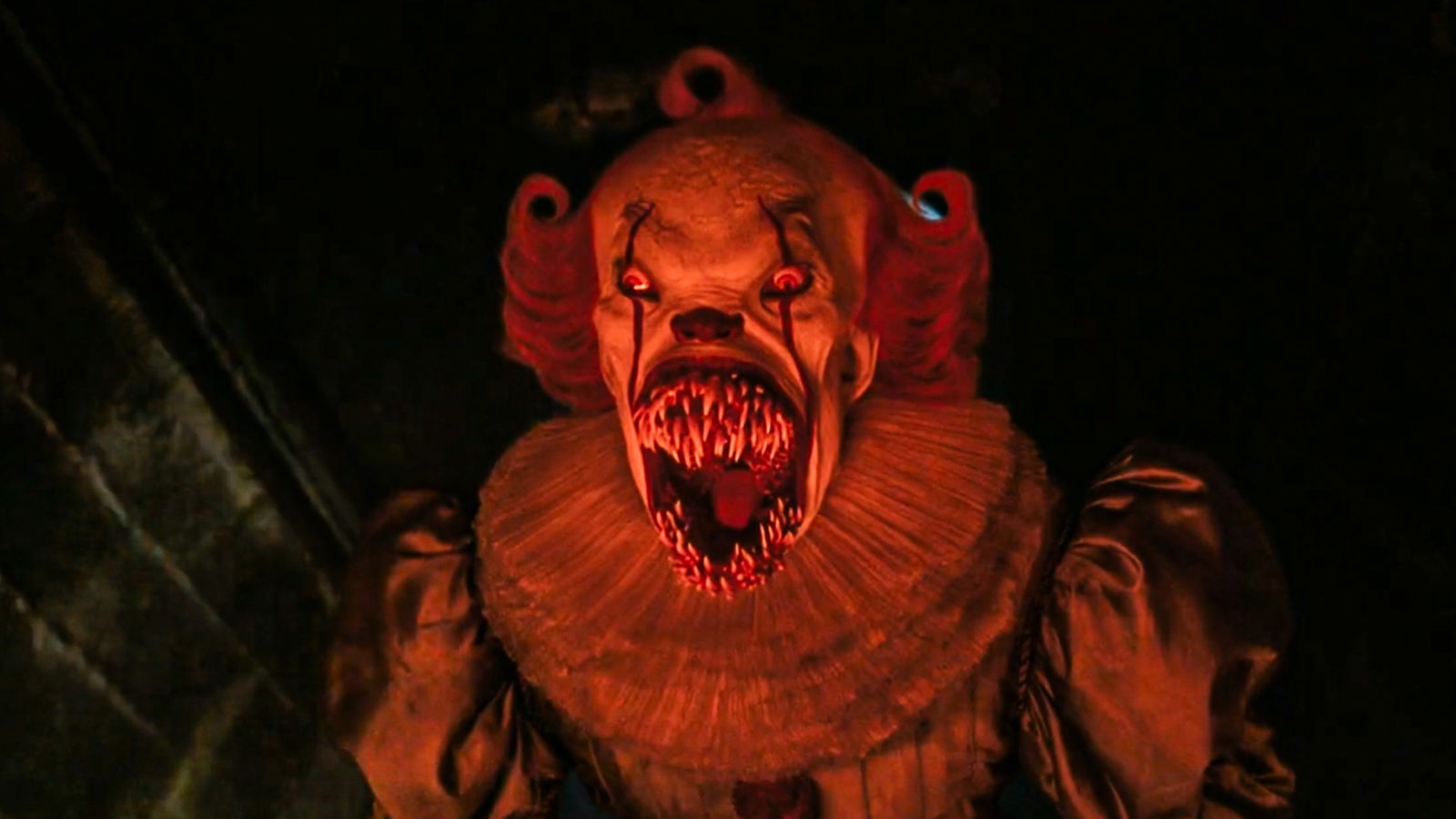
IT: Welcome to Derry Season 1 Episode 6 Breakdown | Recap & Review - Stephen King Easter Eggs You Missed!


The promise of Welcome to Derry was always to expand the lore of Stephen King’s universe, to show us the "why" and "how" behind the terror that plagues this cursed town. Episode 6, "In the Name of the Father," didn't just expand the lore—it cracked it wide open, offering answers to questions fans have debated for decades while setting the stage for one of the most horrific events in the town's fictional history.

From the heartbreaking, twisted backstory of Mrs. Kersh to the impending doom gathering outside the Black Spot, this episode served as the ultimate "calm before the storm." But as any constant reader knows, in Derry, peace is just a terrifying pause before the screaming starts. We are witnessing the convergence of supernatural evil and human hatred, a potent cocktail that It loves to drink deep. Let’s break down the massive reveals, the character arcs, and the Stephen King Easter eggs hidden in the shadows of this pivotal hour.


The Birth of a Monster: Bob Gray and "Periwinkle"

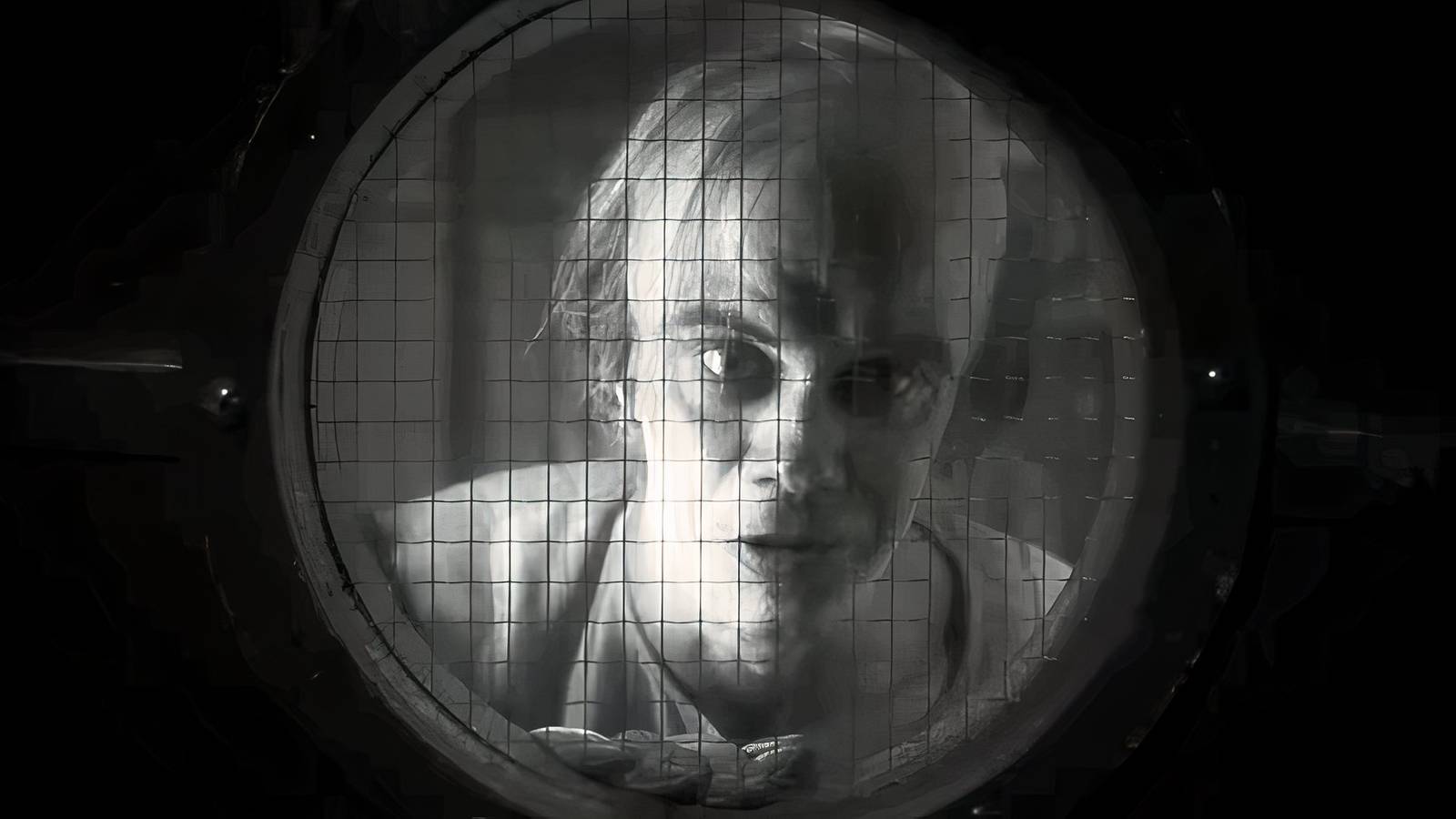
The episode opens with a visually stunning sequence shot in stark black and white, transporting us back to 1935. For lore hunters, this date is significant: it marks the cycle prior to the one we are currently watching (1962), a cycle that famously ended with the bloody Bradley Gang massacre. We find ourselves at Juniper Hill Asylum, a location that strikes fear into the heart of any King fan as the future home of Henry Bowers and other tormented souls.

We finally learn the disturbing truth about Mrs. Kersh, aka Ingrid Gray. As a young nurse, she isn't just working at the asylum; she is actively feeding the entity that lives beneath it. The reveal that Ingrid has been sacrificing vulnerable children—like poor Mabel—to the creature in the basement is chilling, but the show layers this horror with a tragic, psychological complexity. Ingrid isn't serving a monster for the sake of evil; in her fractured mind, she is serving her father, Bob Gray.

The Man vs. The Monster: A Lore expansion

For years, fans have debated the nature of Pennywise. Is the clown a completely fabricated persona, or was there once a man behind the greasepaint? This episode confirms that Bob Gray was a real human being, a circus performer who came to Derry in 1908. The implication is terrifying: the cosmic entity didn't just choose a random shape. It consumed Bob Gray and essentially "cloned" his personality, memories, and mannerisms to use as its primary lure.

When Pennywise calls Ingrid "Periwinkle" and asks her to "open the door," he isn't just asking for physical entry into a room. He is manipulating her desperate, childlike need for connection. The entity has explored the deep recesses of Ingrid’s mind, excavated her most cherished and painful memories, and used them to warp her reality. It’s a terrifying symbiosis: she feeds him children to satiate his hunger, and in return, he plays the role of "Daddy," keeping the memory of the real Bob Gray alive for her.

This recontextualizes It not just as a predator, but as a psychological parasite. It doesn't just eat flesh; it eats grief. Ingrid believes she is freeing her father from the "shadow" that stole him, but in reality, she is the primary enabler of the shadow itself.

Visual Storytelling Note: The cinematography in this sequence deserves special praise. The flashbacks are monochrome, stripped of life, except for two specific colors: red and yellow. The bright red balloon and the piercing yellow deadlights in Pennywise's eyes pop against the grey background. This visual language symbolizes that for Ingrid, the world is dead and colorless without her father. The only "life" she sees is the violence and the entity itself.
 

The Fracture in the Losers' Precursors

In the present day (1962), the psychological toll of the sewer encounter from the previous episode is tearing the group apart. It is a master tactician; it knows that united, these kids possess a collective strength that can hurt it. Divided, they are simply a meal waiting to be plated.

Lily’s Descent into Darkness

Lily is rapidly becoming the tragic anchor of this season. Her possession of the "Star Dagger"—a shard of the entity’s original containment vessel—seems to be exacting a heavy toll on her psyche, drawing parallels to how the One Ring corrupts its bearer in Lord of the Rings. We watch her physically recoil when others try to touch it, acting possessive and paranoid, like Gollum protecting his precious.

Her isolation led to one of the episode's most tense sequences: her visit to the present-day Mrs. Kersh. Seeing the vintage photos of Bob Gray in the album connected the cinematic universe perfectly, utilizing the same imagery from IT Chapter Two. When Mrs. Kersh delivers the line, "No one who dies here ever really dies," it sends a shiver down the spine—a direct echo of her dialogue to Beverly Marsh decades later.

However, unlike Mrs. Kersh, Lily isn't fully lost to delusion yet. She recognizes the manipulation. She knows her father is dead, and when faced with the seduction of the "deadlights" via Mrs. Kersh's madness, she rejects the comforting lie. Slicing Kersh’s hand and fleeing was a moment of triumph, but it leaves Lily more alone than ever, wandering a town that wants to consume her.

Romance in the Sewers and The Tragedy of Hope

Amidst the horror, the showrunners gave us some surprisingly tender moments of young romance, which only serves to heighten the dread. We know that in Derry, happiness is usually a setup for heartbreak.

  • Richie and Marge: Their bond is deepening in a way that feels organic and sweet. Richie doesn't recoil from Marge’s eye injury; he finds it "cool," validating her "freak" status in a way that makes her feel seen. Their "Knight and the Pirate" dynamic is adorable, but notice the foreshadowing: Richie flies his paper airplane, and it glides straight into a sewer grate. It’s a visual rhyme with Georgie’s paper boat, suggesting that Richie’s innocence—and perhaps Richie himself—is destined for the darkness below.

  • Will and Ronnie: The chemistry between these two is undeniable. There is a strong, prevailing theory that Will and Ronnie are the future parents of Mike Hanlon. If this is true, every smile and shared glance is bittersweet. We know from the source material that Mike’s parents die in a fire—likely the very fire being set up in this episode. Watching them fall in love is like watching a car crash in slow motion; you want to look away, but you can't.

Fathers and Sons: The Corruption of Leroy Hanlon

One of the most painful, yet best-written arcs of the series is the degradation of Leroy Hanlon. We are witnessing the slow, agonizing transformation of a man trying to protect his family into the colder, harder, more cynical Leroy we meet in the films. The trauma of the war, combined with the poison of Derry, is hollowing him out.

The confrontation with Will was a pivotal character moment. When Will defies his father, throwing his own life lesson back at him by saying, "I know I’m not you because I would never let my friends die," he isn't just being a rebellious teen. He is challenging his father's morality and manhood. Leroy’s reaction—a sharp, shocking slap across the face—signals a fracture in their relationship that might never heal.

This scene illustrates the "Derry disease." The evil of the town doesn't just manifest as a clown; it manifests as domestic rage, as a father hitting his son, as the breakdown of communication. Leroy is becoming a man driven by fear and control, while his son is evolving into a hero driven by loyalty—a divergence that pushes Will closer to the danger Leroy is desperate to keep him from.
Dick Hallorann and The Breaking of the Lockbox

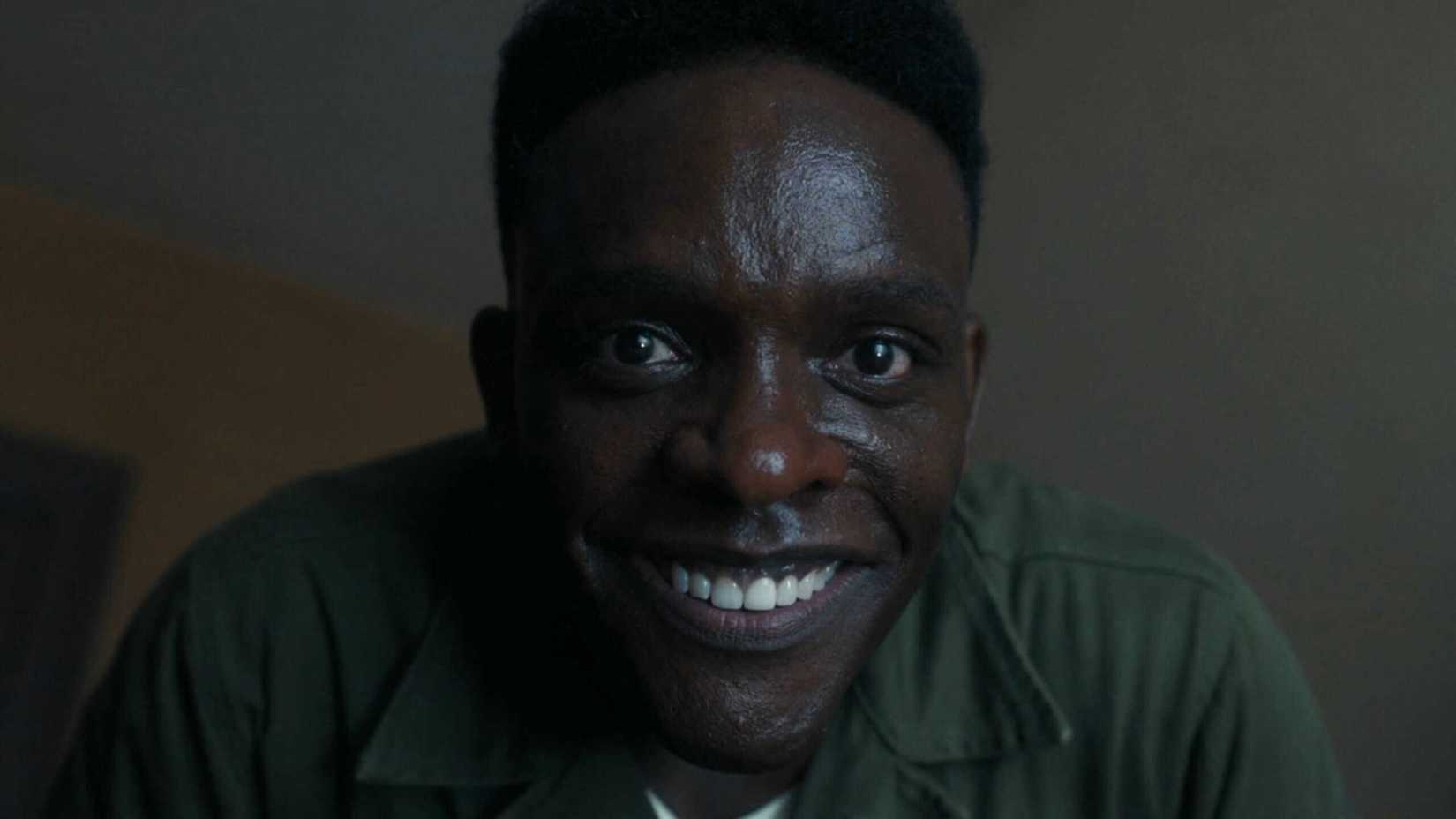
We cannot talk about this episode without discussing the tragic arc of Dick Hallorann. We are seeing a version of Dick who is raw, broken, and self-medicating with alcohol to drown out the "ghosts."

The episode dives deep into The Shining lore with the explicit discussion of the Lockbox. Dick explains that his grandmother taught him to visualize a box to lock away the terrifying spirits he sees. This is a key piece of King mythology, explaining how people with the "Shine" survive in a world full of ghosts. But the entity—Pennywise—brute-forced his box open. Now, Dick is exposed. He sees the dead everywhere, including the gruesome, half-faced soldier in the bathroom.

This is a crucial setup for his future. We know Dick eventually learns to manage this ability again (mastering it enough to teach Danny Torrance at the Overlook Hotel decades later), but right now, he is at his nadir. He is the wildcard of the series. If he can pull himself together and rebuild his mental defenses, he is the only character with the psychic weaponry to truly challenge Pennywise on a metaphysical level.


The Calm Before the Storm: The Black Spot

The final act of the episode is a masterclass in atmospheric dread. The showrunners use cross-cutting to contrast two very different worlds, highlighting the racial divide that defines the era.

Inside The Black Spot, there is warmth, music, and genuine joy. It is a sanctuary for the Black soldiers and community in Derry, a place where they can escape the systemic racism of the outside world. We see Hank Grogan give Will his "blessing" regarding Ronnie after quizzing him on his favorite movie (War of the Worlds—a fitting choice given the cosmic, alien horror they are secretly facing). It’s a moment of pure humanity, of "Air Force Cokes" and dancing.

But outside, the monsters are gathering. And I don’t mean the clown.

The mob forming at the Falcon Tavern, led by the deposed and humiliated Chief Bowers, represents the real-world evil that It feeds upon just as voraciously as it feeds on children. The imagery of the mob donning Halloween masks—Dracula, Frankenstein, and a Clown—is heavy with symbolism. They are hiding their humanity to become monsters. Seeing Mrs. Kersh suit up in her vintage clown costume to join this lynch mob was the final, chilling touch. She represents the supernatural evil joining forces with the banal, human evil of racism.

We know what history (and the books) says happens at the Black Spot. The fire is inevitable. This episode was the deep breath before the scream, showing us exactly what is about to be lost.

Stephen King Easter Eggs You Might Have Missed

  • Juniper Hill Asylum: A major location in the King multiverse, appearing in IT, The Sun Dog, Needful Things, and Gerald's Game. It’s where Henry Bowers is eventually committed, making the early focus on it here a nice nod to the cyclical nature of madness in Derry.

  • The Tea Cup: In Mrs. Kersh’s photo album, we see a specific tea cup. This is the exact same fine china design that the elderly Mrs. Kersh sips from in the IT Chapter Two scene with Beverly Marsh, proving the production team's incredible attention to detail.

  • "In the Name of the Father": The episode title is a triple entendre. It references Ingrid’s devotion to Bob Gray, Will’s conflict with Leroy, and the religious undertones of the town’s fanaticism.

  • Sarah Vaughan: Richie kissing his hand and touching the photo of jazz singer Sarah Vaughan isn't just a character beat; it shows the cultural touchstones that ground these characters in reality before the supernatural takes over.

  • Paper Boat Parallel: As mentioned, Richie throwing his paper airplane into the sewer grate is a direct visual mirror to the iconic opening scene of Georgie and his paper boat. It signals that the sewers are calling for him.

  • The Red Truck: Throughout the episode, a red truck lurks in the background of multiple scenes. This vehicle likely serves as a physical manifestation of It’s influence, a subtle visual cue that the entity is driving the town’s hatred quite literally.

  • The Falcon Tavern: The bar where the racists gather is The Falcon. In the novel IT, The Falcon is a bar that eventually becomes a gay bar in the 1980s (where Adrian Mellon meets his fate), showing how locations in Derry cycle through different forms of violence and tragedy.

Conclusion: The Fire Rises

Episode 6 was a heavy, character-driven hour that did the necessary work of setting the emotional stage for the season's climax. By revealing the human origins of the Pennywise form and showing the town's racial tensions reaching a boiling point, the show has merged the supernatural horror with real-world terror seamlessly.

The "Black Spot Fire" is a legendary event in Stephen King lore, a tragedy often alluded to but rarely seen in such detail. Next week, we are going to see it burn. The masks are on, the match is lit, and Pennywise is watching from the shadows, ready to feed on the fear and the flames.

**What set Hank up? Let me know your theories in the comments below!

Friday, November 28, 2025

The Ultimate Recap: Everything You Need to Know Before "Wake Up Dead Man"


Description: Getting ready for Benoit Blanc’s return in Wake Up Dead Man? Catch up on the entire saga with our detailed, deep-dive recap of Knives Out and Glass Onion. We unpack every clue, every twist, and every killer you might have missed.

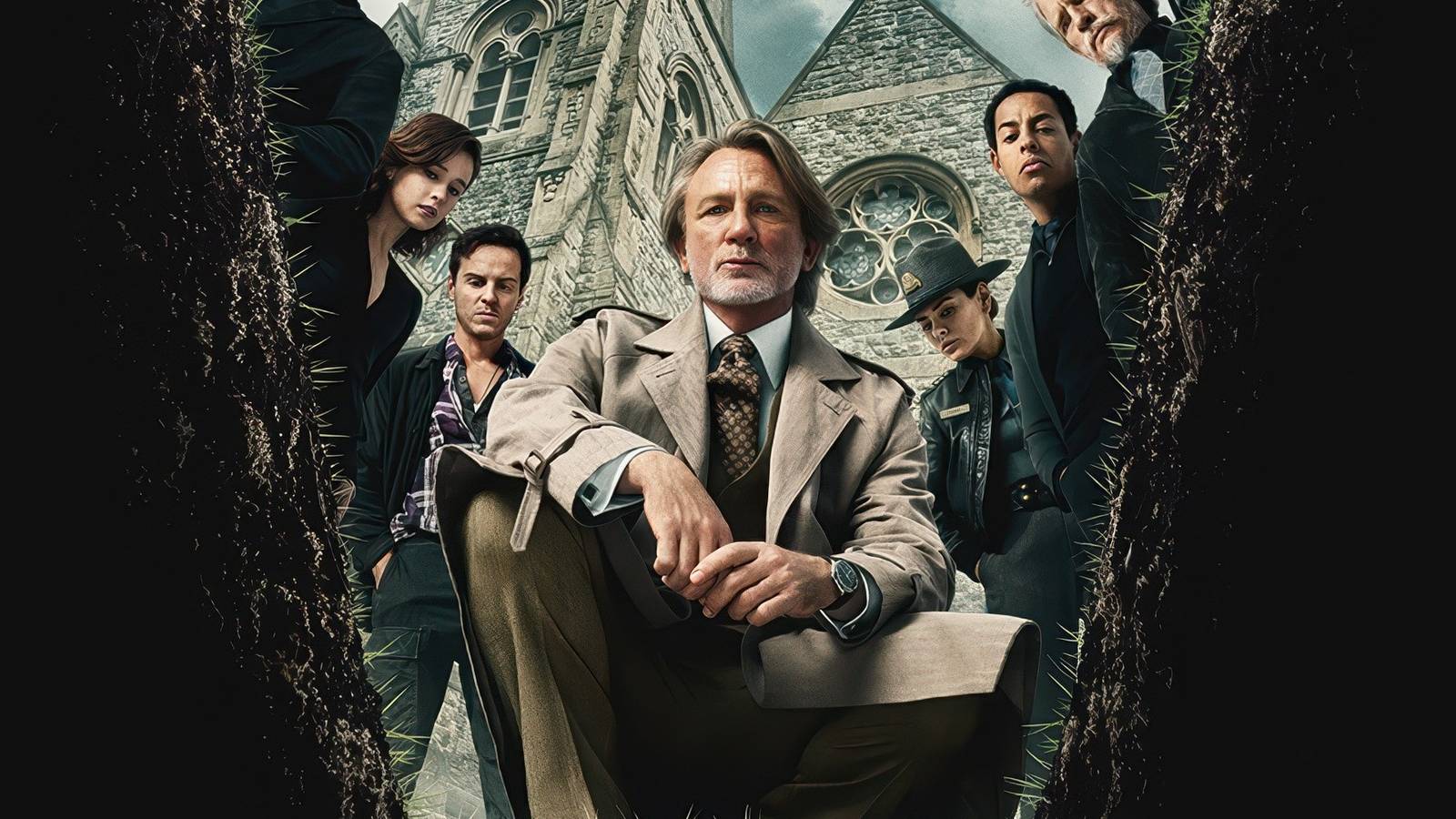
The game is afoot once again. With Rian Johnson’s third Knives Out mystery, Wake Up Dead Man, hitting theaters for Thanksgiving and arriving on Netflix this December, the world’s greatest gentleman detective is back. Daniel Craig returns as the inimitable Benoit Blanc, ready to peel back the layers of a new deadly puzzle with his signature Southern drawl and unparalleled deductive reasoning.

But let’s be honest: these movies are dense. They are packed with rapid-fire dialogue, hidden visual clues, and red herrings designed to trick even the most attentive viewer. Before you dive into the new case, you might be a little rusty on the intricate details of the first two films. Who double-crossed who? How exactly did the Glass Onion shatter? And what were the fatal flaws that caught the killers?

Whether you’re a die-hard fan looking to analyze the themes or a casual viewer who just needs a refresher, here is the complete, spoiler-filled, deep-dive refresher on the Whodunit trilogy so far.


Part 1: The Thrombey Affair (Knives Out)

The saga begins with the original Knives Out, a modern masterpiece that revitalized the murder mystery genre. It centers on the untimely death of wealthy mystery writer Harlan Thrombey, the patriarch of a dysfunctional empire. Found dead the morning after his 85th birthday party, the case is initially ruled a textbook suicide—until the "respectful, quiet, passive observer of the truth," Benoit Blanc, swings into town.

Blanc has been hired by a mysterious, anonymous patron to investigate, and he quickly finds that the Thrombey family isn't grieving; they are calculating.

The Suspects: A Nest of Vipers

Blanc’s interviews reveal a family that, despite their immense generational wealth, is desperate, greedy, and morally bankrupt. Harlan wasn't just a father to them; he was their ATM.

  • Walt (Michael Shannon): Harlan’s youngest son, who managed the family publishing company. The conflict? Harlan was firing him. Walt was losing his identity and his control, desperate to keep the "legacy" (and the paycheck) alive.

  • Richard (Don Johnson): Harlan’s son-in-law, a man who projects an image of arrogant superiority but is hiding a dirty secret. He was having an affair, and Harlan had threatened to expose him to his wife, Linda, if he didn't come clean himself.

  • Joni (Toni Collette): Harlan’s daughter-in-law, a lifestyle guru with a failing brand. She was caught stealing money from Harlan by "double-dipping" into her daughter Meg’s tuition funds—taking checks for school but keeping the cash for her own lavish lifestyle.

Then there is Marta Cabrera (Ana de Armas), Harlan’s nurse and closest confidante. While the family treats her with a sickly-sweet, condescending kindness (none of them can even remember which South American country she is actually from), she was the only one who treated Harlan like a human being. Marta has a unique quirk that makes her the perfect witness but a terrible criminal: she has a regurgitative reaction to mistruths. Simply put, if she lies, she physically throws up.

The False Narrative: The "Good" Nurse's Mistake

Rian Johnson subverts the genre early by seemingly showing us the death in the first act. We see a flashback where, on the night of the party, Marta ostensibly makes a fatal error. During their nightly game of Go, she mixes up Harlan’s medications, giving him a lethal dose of morphine instead of his pain medication.

When she frantically searches her bag, the antidote (Naloxone) is missing. Harlan, realizing an ambulance wouldn't arrive in time to save him, accepts his fate. However, his primary concern isn't his life—it's Marta. He knows that if she is found responsible, she will go to jail, and her mother, who is undocumented, will be deported.

To save her, Harlan takes matters into his own hands. He gives Marta strict, novelist-level instructions on how to create a perfect alibi—climbing down trellises, wearing disguises, and being seen leaving—and then slits his own throat to stage a suicide. Marta, terrified and heartbroken, follows his instructions to the letter, managing to cover her tracks while painfully accompanying Blanc on his investigation.

The Reading of the Will: The Vultures Circle

The tension reaches a boiling point at the reading of the will. The family gathers, expecting to carve up the empire. Instead, the lawyer delivers a shock that silences the room: Harlan left everything—his fortune, his gothic mansion, his publishing rights—to Marta.

The family’s mask of kindness instantly shatters. They turn on her with vicious speed, threatening to expose her mother’s immigration status and calling her a "dirty schemer." In this moment of isolation, Marta is "rescued" by the black sheep of the family, Ransom (Chris Evans), Linda and Richard’s son. Ransom, the trust-fund playboy who had been cut out of the will before Harlan died, strikes a devil's bargain with Marta. He deduces she is responsible for the death and agrees to help her keep the secret in exchange for his cut of the inheritance.

The Twist: The Doughnut Hole

The pressure mounts when Marta receives a blackmail note containing a photocopy of the toxicology report. She rushes to the meeting spot, only to find Fran, the housekeeper, dying of a morphine overdose. Even though Fran seemingly accuses her, Marta’s conscience wins out. She calls an ambulance and decides to confess to the family, accepting that the "Slayer Rule" (a legal clause preventing a killer from inheriting) will strip her of the fortune but save her soul.

But just as she prepares to vomit out the truth to the family, Blanc interrupts. He has found the missing piece of the puzzle—the "doughnut hole within the doughnut's hole."

The Resolution: A Game of Go

In a classic parlor room reveal, Blanc exposes the true villain: Ransom.

The brilliance of the mystery lies in the fact that Harlan never actually had a lethal dose of morphine in his system. Ransom, having been told by Harlan that he was being cut out of the will, decided to secure his future by framing Marta for murder, ensuring the Slayer Rule would nullify the will.

Here is how his plan actually worked (and failed):

  1. The Switch: Ransom broke into the medical bag and switched the liquid contents of the medication vials.

  2. The Theft: He stole the emergency antidote so Marta couldn't save Harlan.

  3. The Irony: Marta, being an excellent nurse, didn't look at the labels. She identified the correct medication subconsciously by the liquid's viscosity. Therefore, she actually gave Harlan the correct, safe medication. Harlan died for nothing, believing he was saving Marta from a mistake she never made.

Ransom was the one who hired Blanc anonymously, hoping the detective would uncover Marta's "crime." When the toxicology report threatened to prove Harlan died of a throat slit (and lacked morphine), Ransom killed Fran (the blackmailer) and burned down the medical examiner's office to destroy the evidence.

In the final confrontation, Ransom realizes he has lost the money but gleefully admits to the attempted murder of Fran, thinking he can beat the rap. But Marta tricks him into revealing that Fran is still alive (a lie that causes her to vomit on him). Enraged, Ransom grabs a knife from the collection to stab her—but it’s a fake stage prop.

The film ends with a powerful visual: Ransom being shoved into a police car while Marta stands on the balcony of the Thrombey estate, holding her mug that reads "My House, My Rules, My Coffee," looking down at the displaced family.


Part 2: The Greek Getaway (Glass Onion)

For the sequel, Glass Onion, Johnson adopts an anthology format. We leave the cozy knits and autumn leaves of Massachusetts for the blinding sun and high-tech sterility of a private Greek island owned by tech billionaire Miles Bron (Edward Norton).

The Setup: The Disruptors

Miles sends out complex puzzle boxes to his group of old friends, a crew self-proclaimed as "The Disruptors." They are invited to his island, the "Glass Onion," for a murder mystery party where they will solve the fictional murder of Miles himself. The guests represent a satire of modern influence:

  • Claire (Kathryn Hahn): A governor compromising her ethics and authorizing dangerous permits to secure funding for her campaign.

  • Lionel (Leslie Odom Jr.): A brilliant scientist working for Miles, who is being pressured to rush a dangerous new hydrogen fuel, "Klear," to market.

  • Birdie Jay (Kate Hudson): A washed-up fashion designer and socialite who is one tweet away from being canceled. She is unaware (or willfully ignorant) that her "Sweetie Pants" sweatpants are made in actual sweatshops.

  • Duke (Dave Bautista): A men's rights streamer and gun nut who uses Twitch to peddle supplements, constantly accompanied by his girlfriend Whiskey.

And then there is Andi Brand (Janelle Monáe), Miles’ ex-business partner. She was the true genius behind their company, but Miles cut her out and ruined her reputation in a brutal lawsuit where all the "Disruptors" perjured themselves to protect Miles (and their own bank accounts). She shows up cold, silent, and furious.

Surprisingly, Benoit Blanc also arrives. Miles is confused—he never sent Blanc an invite.

The Actual Murder: Lights Out

Blanc quickly ruins Miles' carefully planned weekend by solving his "fake" murder mystery game before dinner is even finished. However, the fun stops when Duke drops dead immediately after drinking from Miles' glass. The group panics, assuming someone is trying to poison Miles and Duke was just collateral damage.

In the ensuing chaos, the lights go out, a pistol is fired, and "Andi" is found shot on the steps of the Glass Onion.

The Twist: The Twin Strategy

Here is where the narrative flips. We flash back to a week prior and learn a shocking truth: Andi is already dead. Her death was staged as a suicide back in the States, but her twin sister, Helen, refused to believe it.

The woman on the island isn't Andi; it is Helen, posing as her late sister. She hired Blanc to help her find Andi's killer. Together, they deduced that one of the Disruptors must have killed Andi to protect Miles, as Andi had recently found the "smoking gun"—a cocktail napkin with the original business plan proving she founded the company.

Blanc's role on the island isn't just to solve a murder; it's to facilitate Helen's investigation. He acts as a distraction while Helen tears the island apart looking for that napkin.

The Resolution: The Dumbest Guy in the Room

Blanc eventually gathers the suspects and reveals the mastermind. But unlike the complex, layered genius of Ransom in the first film, the villain here is disappointing in the most thematic way possible. It is simply Miles Bron.

Blanc’s "donut hole" speech this time focuses on how he expected a complex web of genius, but the truth was staring him in the face: Miles is an idiot.

  • Duke's Death: Duke didn't die from poison intended for Miles. He died because Miles slipped him pineapple juice, knowing Duke was deathly allergic. Duke had seen Miles leaving Andi’s house on the day of her murder and had just received a news alert about her death. He tried to blackmail Miles, so Miles killed him on the spot.

  • Andi's Death: Miles drove to Andi's house and poisoned her himself to stop her from releasing the evidence that would ruin him.

  • The Shooting: In the dark, Miles used Duke's stolen gun to shoot Helen (thinking she was Andi). Miraculously, the bullet was blocked by Andi’s journal in Helen's pocket.

The Explosive Ending: Legacy in Flames

Helen eventually finds the napkin—the proof of Andi's genius—hidden in Miles’ office. But in a move of pure arrogance, Miles simply burns it with a lighter. He destroys the only evidence. He smugly realizes he has won because his "friends," terrified of losing his financial backing, refuse to testify against him despite knowing he is a murderer.

Realizing the legal system cannot touch a man with Miles' money, Helen resorts to a different kind of justice. She begins smashing Miles’ glass sculptures, channeling her rage into destruction. She lights a bonfire in the center of the room and throws a shard of "Klear" (Miles' unstable, hydrogen-based fuel) into the flames.

The result is a massive explosion that obliterates the Glass Onion. But the true dagger to the heart comes when the fire incinerates the Mona Lisa, which Miles had foolishly rented from the Louvre during the pandemic shutdown.

Miles wanted to be remembered in the same breath as the Mona Lisa. Now, he will be: as the man whose vanity and dangerous fuel destroyed the world's most famous painting. His reputation is nuked. Realizing the ship is sinking, the "Disruptors" finally turn on him, agreeing to testify. The film ends with Miles screaming in the ruins of his ego, while Helen sits on the beach, having finally avenged her sister.


Ready for Wake Up Dead Man?

Now you are fully caught up. We’ve seen Blanc tackle a classic, gothic family inheritance drama and a glossy, high-tech island thriller. We've seen him dismantle the lies of the old money aristocracy and the new money tech-bros.

In Wake Up Dead Man, the title suggests a darker, perhaps more supernatural or grim tone. Will the stakes be even more personal? Will Blanc finally meet a villain who can outsmart him?

Grab your popcorn and keep your eyes peeled—because with Benoit Blanc, the truth is never what it seems, and the most dangerous clues are often hiding in plain sight.

Thursday, November 27, 2025

Stranger Things Season 5 Vol 1: The Beginning of the End Explained


Stranger Things Season 5 Vol 1: The Beginning of the End Explained

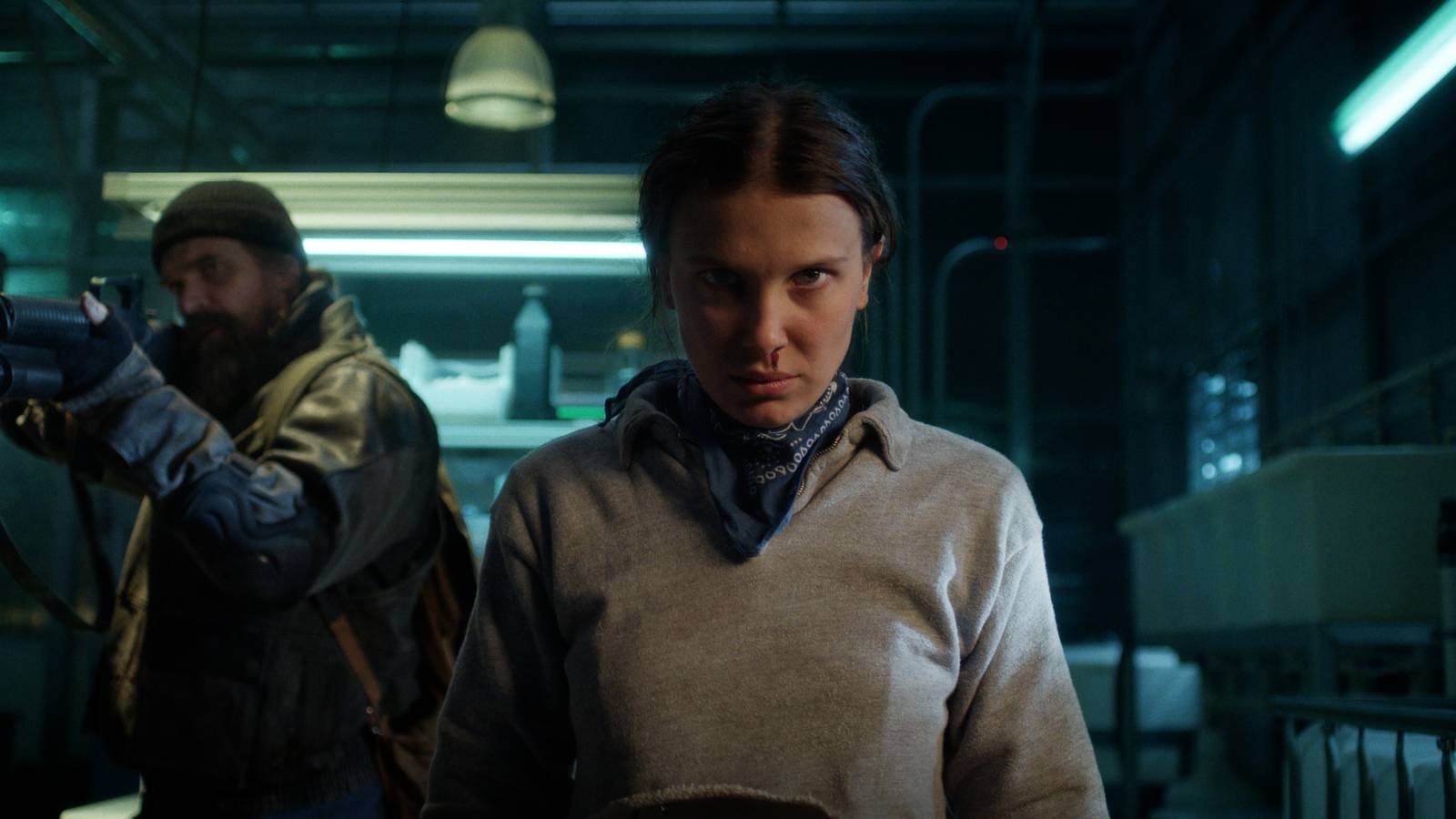
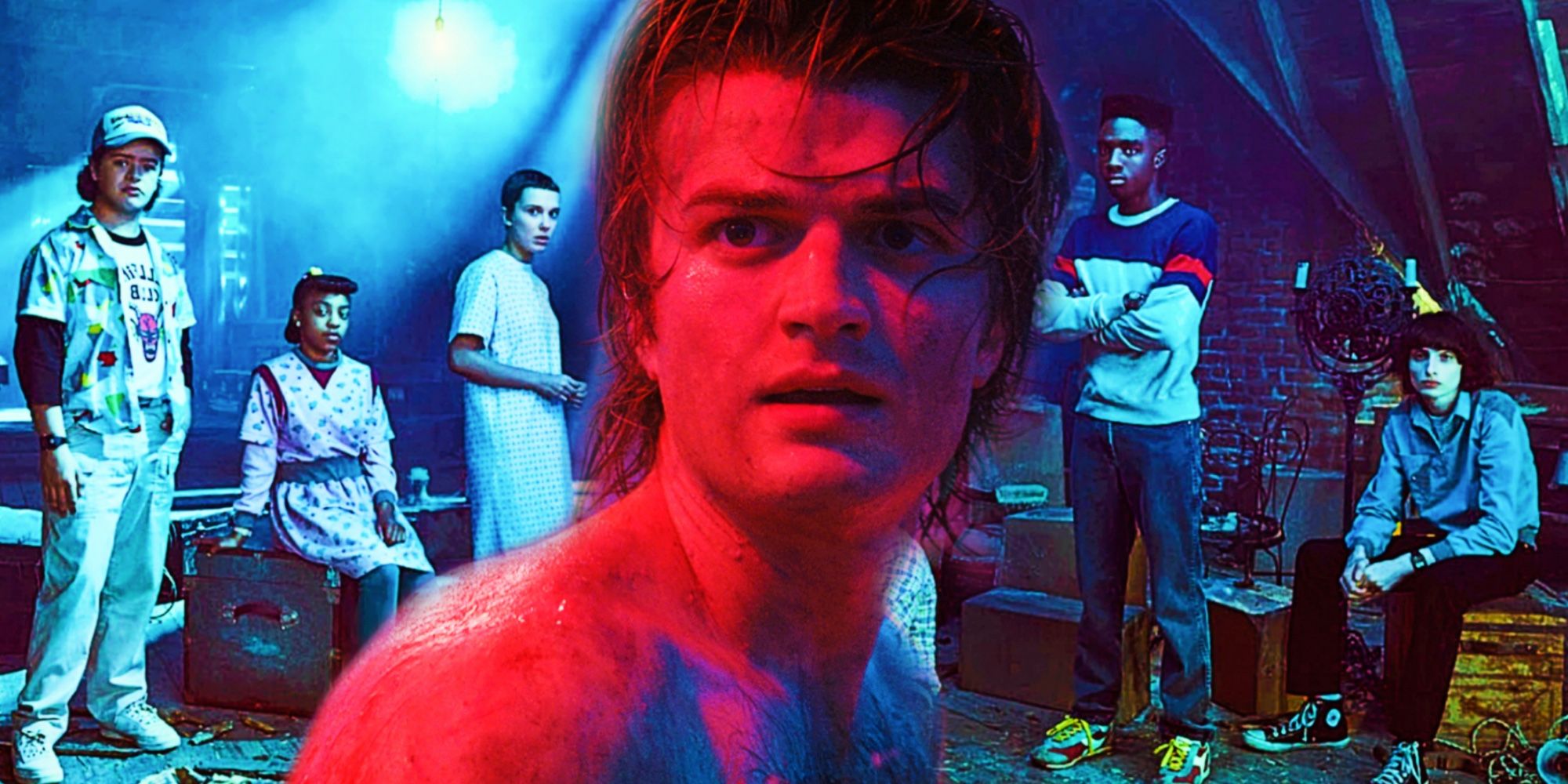
It has felt like 84 years, but we are finally back in Hawkins. Stranger Things Season 5 has arrived with its first volume, and it wasted absolutely no time plunging us into the apocalypse. With Netflix making the controversial decision to split the final season between a Christmas and New Year's release, the tension is agonizingly high. We have a lot to chew on before the finale drops, and frankly, we might need that extra time to emotionally recover.

The first four episodes have completely shifted the tone of the series. Gone are the days of localized threats; the "earthquake" from Season 4 was merely the opening salvo. The Upside Down is now actively bleeding into the Right Side Up, infecting the town like a virus. Max is still lying in a coma, but her spiritual presence looms larger than ever. Meanwhile, the surviving residents are entrenched in a conflict that feels less like a sci-fi adventure and more like a gritty war drama.

If you are reeling from that mid-season cliffhanger and the sheer density of lore dropped in these episodes, you aren't alone. Let’s dive deep into the Easter eggs, the profound Wrinkle in Time connections, and what Will’s awakening as "The Sorcerer" actually means for the endgame of the entire saga.

The Apocalypse is Here: Vietnam Tactics and Jungian Psychology

The season opens with a grim reality that sets the stage for a darker narrative. The separation between worlds is dissolving, and the show is leaning heavily into 1970s and 80s war movie tropes to depict it. Chief Hopper’s arc this season is particularly fascinating and terrifying. He is no longer just the town sheriff; he is a soldier fighting a guerrilla war.

Hopper is utilizing the tunnels beneath Hawkins much like the Viet Cong did during the Vietnam War. This is a deliberate tactical choice. He understands that in terms of raw power, humanity is outmatched by Vecna’s hive mind. The only way to survive is to stay hidden and strike from beneath. The script even references the "Tiger Force"—a real-life long-range reconnaissance patrol division infamous for war crimes in Vietnam—adding a layer of historical darkness to Hopper's mindset. He mentions the brutality of war, specifically the taking of "trophies" like ears, highlighting how desperate and primal his need to protect Eleven has become. This over-protectiveness is clearly fueled by the unhealed trauma of losing his daughter, Sara, driving him to extreme lengths.

But the battle isn't just physical; it's psychological. We see Robin and Will discovering what Robin identifies as a "mandala." In Carl Jung’s psychology, mandalas are geometric configurations that represent the creator's state of mind or the "self." This is a massive clue regarding the nature of the Upside Down this season. It suggests that the hellscape isn't just a random alien dimension, but a psychic projection that is shifting according to Vecna's—or perhaps someone else’s—mental state. The environment itself is a reflection of the psyche, hinting that the key to winning isn't blowing things up, but healing the mind that created the nightmare.

Holly Wheeler: The Key to Vecna’s Castle

One of the biggest surprises of Volume 1 is the sudden, pivotal narrative importance of Holly Wheeler. For years she was just the silent younger sister, but we’ve known since a resurfaced tweet from the writers back in 2017 that they had long-term plans for her. This season finally pulls the trigger on those plans.

Holly is taken beyond the boundary wall to a location that visually mirrors "Vecna’s Castle" or Citadel. This ties directly back to the "Vecna Lives!" Dungeons & Dragons campaign released in 1990, where players must travel to Vecna’s citadel to defeat his cult. However, the show subverts our expectations. Unlike his previous victims, Vecna isn’t using trauma and fear to break Holly. He is using love.

He constructs a fake, perfect world for her—a "Garden of Eden" scenario where the grass is green, the sun is shining, and he appears not as a monster, but as the friendly "Mr. Wotsit" (Henry). The psychological horror here is palpable. It feels incredibly reminiscent of the simulated reality in The Matrix or the sheltered ignorance of M. Night Shyamalan’s The Village. He keeps her compliant with comforts: huge breakfast spreads, chocolate chip pancakes, and a boombox playing 80s pop hits like Tiffany’s I Think We’re Alone Now.

This musical choice is a brilliant, layered Easter egg (and perhaps a nod to The Umbrella Academy), but it also underscores her isolation. Why Holly? Vecna reveals later that he targets children not just because they are vulnerable, but because they are "malleable." They are perfect vessels for his consciousness, uncorrupted by adult cynicism. He is grooming her to be a part of his new world, which makes her plight significantly more disturbing than a simple kidnapping.


A Wrinkle in Time & The 1987 Time Jump

The show jumps forward to November 3rd, 1987. While the actors have visibly aged (Erica looks ready for a corporate job, let alone high school), the time jump serves a specific thematic purpose by aligning the timeline with key 1987 pop culture touchstones.

The primary literary anchor for this season is Madeleine L'Engle's A Wrinkle in Time. In the show, we explicitly see characters studying the book, and the narrative parallels are screaming at us. In the novel, the protagonist Meg Murray searches for her missing father while battling "The Black Thing," a darkness consuming the universe. In Stranger Things, we have Holly (serving as our Meg figure) and the party dealing with the spreading darkness of the Upside Down.

The connections go deeper than just plot summaries. The book features three celestial beings: Mrs. Whatsit, Mrs. Who, and Mrs. Which. In the show, Holly calls Henry "Mr. Wotsit." This is not a coincidence. It implies that this season is fundamentally about tesseracts (folding space and time). We even see Derek holding a model of a tesseract—a 4th-dimensional cube. Mr. Clarke, the forever MVP of exposition, brings up wormholes and dimensional folds, suggesting that the Upside Down isn't just "under" Hawkins, but folded into it.

Furthermore, the concept of Camazotz from the book is crucial. Camazotz is a planet of absolute conformity ruled by a disembodied brain known as "IT." The layout of the Upside Down territory, with its central "brain" and hive mind, maps perfectly onto Camazotz. Vecna is trying to turn Earth into his own version of that planet—a world of perfect, controlled order under his absolute rule.

Will Byers: The Sorcerer Awakens

This is the moment we have been waiting for since the very first episode of Season 1. Will Byers is finally shedding the role of the perpetual victim to become the ultimate weapon.

Throughout Volume 1, the show uses clever editing to mirror Season 1. We get a flashback to November 12, 1983, but from a new perspective: showing Will in the Upside Down while Eleven was in the lab. This visual storytelling confirms that their journeys have always been parallel lines destined to intersect. Will has a realization that changes everything: because Vecna is part of the hive mind, the connection is a two-way street. If Vecna can control the hive to spy on Will, Will can theoretically hijack the hive to control Vecna's forces.

The climax of Episode 4, titled "The Sorcerer," delivers on this promise in spectacular fashion.

When Vecna’s forces attack the military base (in a high-octane sequence that feels like Aliens meets The Great Escape), Will steps up. Vecna dismisses him as weak, leaving him behind to deal with the Demogorgons. That is his fatal mistake—arrogance. Will taps into his connection, and for the first time, he doesn't cower. His eyes roll back, turning a milky white (mirroring Vecna/Henry’s own trance state), and he snaps.

He destroys the Demogorgons with his mind. This isn't just telekinesis; it's dominion over the dimension itself.

This confirms the biggest theory for the finale: Will is going to control the Mind Flayer. If Vecna is the "Lich" or the "Wizard" (an undead spellcaster), Will is the Sorcerer (a magic user with innate, natural power). The Mind Flayer is a chaotic cloud of particles that Vecna shaped, but Will might be the only one capable of wresting control of that raw power and turning the army against its general.

Easter Eggs You Might Have Missed

The Duffer Brothers packed this volume with references to 80s culture, their own previous works, and deep lore. Here are the most significant ones expanded:

  • Captain Midnight & The First Shadow: In the Creel house, we see a young Henry’s spyglass labeled "Captain Midnight." This is a deep cut to the stage play The First Shadow. In the play, Henry explores the Nevada caves and first encounters Dimension X while holding this spyglass. It ties the show's lore directly to the theatrical production, confirming that the "Shadow" entity predates Henry.

  • The Great Escape: The plan to smuggle the kids out of the military base via tunnels uses the code names "Tom, Dick, and Harry." These are the exact names of the tunnels dug by the POWs in the classic film The Great Escape. The show even mirrors the suspense of the film, where the escape is threatened by a discovery mid-operation.

  • Ferris Bueller’s Day Off: When Dustin hijacks Steve’s BMW to escape, he drives through backyards, smashing through fences. This visually mirrors the famous scene of Ferris running through the neighborhood to beat his parents home. To make the reference undeniable, the song "Oh Yeah" by Yello plays earlier in the season.

  • Nightmare on Elm Street 3: Dream Warriors: The season is directed partly by Frank Darabont, who wrote A Nightmare on Elm Street 3: Dream Warriors. The influence is undeniable. Vecna attacking through dreams, the concept of "dream logic," and the "perfect world" construct he builds for Holly are massive nods to Freddy Krueger’s tactics in the third film, where the kids had to learn to control their dream powers to fight back.

  • The X-Men/Dark Phoenix: Will’s power surge has major Dark Phoenix energy. The nosebleed, the white eyes, the sheer destructive force—it’s classic Jean Grey. This foreshadows a potential danger: if Will uses too much power, could he be consumed by it just like Jean?

  • The Clash: The song "Should I Stay or Should I Go" returns as the "safety song" for the characters, grounding them in reality against Vecna's illusions. It’s a beautiful callback to Season 1 where the song first connected Will to his brother Jonathan.

  • Steve’s Dad: We finally get a glimpse of Steve Harrington's father, and he is just as unpleasant as we imagined—dismissive and cold. This brief appearance contextualizes Steve's entire character arc, showing us exactly the kind of toxic masculinity he had to unlearn to become the "Mom" of the group.

The Ending Explained: What Comes Next?

Volume 1 ends with the board set for a catastrophic final battle. The military base—supposedly the safest place in Hawkins—has fallen. The "safe" zone is gone. Vecna has evolved physically; he is no longer just a burnt humanoid but a hulking, biological horror reminiscent of William Birkin's final forms in Resident Evil 2. This transformation proves that physical weapons like flamethrowers and guns are now completely useless against him.

The reveal that the "wall" around the Upside Down territory is actually a circle wrapping around a central point—Camazotz—is the critical strategic intel. The military tried to use sonic cannons to suppress Eleven and the creatures, but they failed. The solution isn't technology; it's biology and magic.

Will has realized his power, but the cost is high. Hopper and El are battered, the town is overrun, and the separation between dimensions is dissolving. As we head into the finale on New Year’s, the question isn't just if they can stop Vecna, but what they will have to sacrifice to do it. Will seems poised to become the new anchor of the Upside Down—or perhaps, he must stay behind to close the door forever, fulfilling his role as the true "Cleric" or "Sorcerer" of the party.

What did you think of Volume 1? Do you think Will is going to turn dark, or is he the savior Hawkins needs? Let me know your theories in the comments below!
Wednesday, November 26, 2025

Stranger Things Season 5 Volume 1: Complete Recap, Ending Explained, and The Truth About Max


Description: Dive deep into the chaos of Stranger Things Season 5, Volume 1. We break down Episodes 1-4, explain the shocking twists, analyze Will’s new powers, and answer the biggest question: Is Max really alive? Spoilers ahead!

Introduction: The Beginning of the End

If you thought the emotional devastation of Season 4’s finale was the peak, you haven't seen anything yet. The agonizing wait is finally over, and Stranger Things Season 5, Volume 1 has landed with the catastrophic force of a Demogorgon crashing through a ceiling. The Duffer Brothers didn't just open a narrative door; they blew the whole house down, setting a pace that feels less like a TV show and more like a summer blockbuster split into chapters.

We aren't just looking at a simple creature feature anymore. The stakes have shifted from "saving the town of Hawkins" to "saving reality itself." Hawkins has transformed into a dystopian quarantine zone, a place where the Upside Down isn't just leaking—it's bleeding into our world. From the return of long-forgotten faces to a heartbreaking abduction that completely shatters the suburban safety of the Wheeler family, Volume 1 is a relentless, high-octane emotional rollercoaster that refuses to let you catch your breath.

Grab your Eggos, dust off your walkie-talkies, and prepare for the end. We are breaking down everything from the chilling cold open of Episode 1 to the massive, game-changing cliffhanger of Episode 4. We’ll explore the dark truth about Max Mayfield’s fate, dissect the military's secret war, and explain exactly what that nosebleed means for Will Byers.

Episode 1: The Crawl & The Quarantine Zone

The season opens not with a bang, but with a chilling, atmospheric flashback that fundamentally recontextualizes the entire series. We are transported back to the beginning—Season 1—seeing a much younger Will Byers in the Upside Down, shivering inside Castle Byers. He’s singing his anchor song, The Clash’s "Should I Stay or Should I Go," trying to find a shred of comfort. But this time, we see the terror that happened after the Demogorgon dragged him away.

The Vecna Connection: Will as the "First"

The flashback reveals a bombshell: Vecna was there from the very start. As Will lay unconscious in the vine-covered Hawkins Library of the Upside Down, Vecna stood over him, not as a predator simply hunting for food, but as a scientist observing a specimen. We witness a disturbing scene where a tentacle is inserted into Will’s mouth, pumping a mysterious substance into him.

This implies Will wasn’t just a random victim; he was an incubator or a vessel from the very beginning. Vecna’s chilling line, "At long last, we can begin," sets a terrifying tone for the final season. Will has been a sleeper agent in Vecna's grand design all along, and his connection to the hive mind is far deeper than mere "True Sight."

Life in the Ruins: Hawkins Under Siege

Jump to November 3, 1987—a little over a year since the "earthquake" of Season 4. Hawkins is a grim military state. The rifts have been covered by massive metal plates, but the town is rotting from the inside. We see a populace living under martial law, subjected to strict medical exams and monitoring. The military, led by the mysterious Dr. K, conducts "The Crawl"—dangerous, scheduled excursions into the Upside Down to map the threat.

The social tension is just as palpable as the supernatural one. Dustin Henderson is isolated and grieving, refusing to let the memory of Eddie Munson die. He wears his Hellfire Club shirt like armor, putting him at odds with a town that still views Eddie as a satanic villain. He’s bullied and beaten, his trauma compounding with every scene. Meanwhile, Hopper and Eleven are training in secret at a junkyard. Their dynamic is fraught with tension; Hopper is terrified of losing his daughter again, refusing to let her join the reconnaissance missions, while El pushes herself to the breaking point, desperate to be the weapon Hawkins needs.

The Cliffhanger: The episode concludes with a horror sequence straight out of a nightmare. Holly Wheeler, Mike and Nancy’s innocent younger sister, is alone in her room when the ceiling begins to crack. In a terrifying subversion of safety, a Demogorgon doesn't just enter the house—it bursts through a portal in her ceiling, dragging her into the darkness while her parents sit helplessly downstairs.

Episode 2: The Vanishing of Holly Wheeler

If Episode 1 was the atmospheric setup, Episode 2 is the emotional gut-punch that proves this season is taking no prisoners. The abduction of Holly Wheeler signals that no one is safe—not even the tertiary characters we assumed were on the sidelines.

The Wheeler Family Trauma

This isn't just a monster movie beat; it’s a psychological dissection of a family being torn apart. We finally see Karen and Ted Wheeler—usually the oblivious suburban archetypes—thrust into a living hell. Karen Wheeler becomes an absolute MVP, shedding her suburban mom persona to fight a Demogorgon with nothing but a wine bottle in a desperate, primal attempt to save her child.

The aftermath is gruesome. The creature slashes Karen’s throat before vanishing with Holly. The image of Nancy finding her mother bleeding out on the kitchen floor is one of the darkest, most visceral moments in the show's history. Later, in the hospital, we see the true cost of this war: Karen, unable to speak, frantically writing on a notepad with shaking hands, desperate to know where her daughter is. It’s a heartbreaking reversal of roles, with the children now having to comfort the parents.

Who is Mr. What's-It?

Before her abduction, Holly had been communicating with an "imaginary friend" she called Mr. What's-It. He wasn't scary to her; he appeared kind, well-dressed in a vest with a pocket watch, and protective. But as the episode unfolds, we realize the horrifying truth: Mr. What's-It is Vecna in disguise (Henry Creel).

He has been grooming Holly for weeks, gaining her trust, warning her about "monsters" while positioning himself as her only protector. This psychological manipulation adds a layer of malice to Vecna we haven't seen before. He isn't just overpowering minds; he is tricking them, using a child's innocence as a weapon against her family.

Will's Vision and The Timeline

The most critical lore revelation comes from Will. He realizes he can see through the eyes of Vecna’s creatures. He wasn't just sensing a vague danger; he was witnessing Vecna stalking Holly in real-time, effectively looking through the killer's eyes.

Lucas Sinclair points out a chilling detail regarding the timeline: Holly was taken on November 3rd. Will Byers was taken on November 6th back in Season 1. As Lucas bluntly puts it, "I don't believe in coincidences anymore." Vecna is operating on a cycle, and the abduction of Holly is likely part of a ritualistic pattern leading up to the anniversary of the original breach.

Episode 3: The Turnbow Trap & The Return

The narrative pacing kicks into overdrive in Episode 3. The gang realizes that Vecna isn't just taking random kids; he is collecting specific targets—12 children in total—to open new gates or fuel a massive reality-warping ritual.

Hopper and El: Behind Enemy Lines

Trapped in the Upside Down, Hopper and El face a new, technological threat. The military has developed machines that emit high-frequency sound waves capable of neutralizing El’s powers. It’s a brutal sequence that strips El of her greatest defense, forcing Hopper to go into full "action hero" mode to protect her.

They camouflage a stolen Humvee with vines and debris to navigate the hellscape, eventually capturing a soldier to interrogate him. This leads to a massive discovery: Dr. K isn't just mapping the Upside Down. She is guarding a vault in the secret lab. El uses her powers to enter the soldier's mind and discovers that Dr. K is keeping a "monster" prisoner. They assume it's Vecna, but the truth is far more complicated.

The Turnbow Trap

Back in Hawkins, the kids identify the next target: a boy named Derek Turnbow, who has also been seeing "Mr. What's-It." They hatch a risky, desperate plan to use Derek as bait. It involves a classic Stranger Things scheme: Erica Sinclair infiltrates the Turnbow house with a drugged pie to knock out the family (for their own safety), while the older teens turn the house into a fortress of traps, Home Alone style, but with shotguns and flamethrowers.

They manage to tag the attacking Demogorgon with a tracker, but the signal leads them to a terrifying realization: the creature isn't fleeing randomly. It doubles back. It’s not running away; it’s leading them exactly where Vecna wants them to go.


Episode 4: The Sorcerer & Will’s Awakening

Episode 4 is the longest, most dense, and explosive entry of Volume 1. It centers on two massive plot threads that fans have theorized about for years: Max’s survival and Will’s supernatural evolution.

Will Byers: The Sorcerer

This is the moment we’ve been waiting for since Season 1. During a massive confrontation with Vecna’s forces near the military base, Will steps up. Prompted by a heart-to-heart with Robin about embracing his true self and his individuality, Will taps into a dormant power that has been building since the pilot episode.

He doesn't just sense the Demogorgons; he controls them.

In a stunning visual parallel to Henry Creel, Will lifts the monsters into the air, crushing their bodies with telekinesis. As he exerts this power, his nose bleeds—the signature visual cue of psionic ability in the Stranger Things universe. The implication is massive: Will has powers similar to Eleven and Vecna. The "substance" Vecna pumped into him in the pilot wasn't just poison; it was power. Will isn't just a victim of the Upside Down; he is a child of it.

The Kali / 008 Reveal

Deep in the military lab, Hopper and El finally breach the vault Dr. K has been guarding. It isn't Vecna inside. It’s Kali (008), El's lost "sister" from Season 2. She is being manipulated by the military, her illusion-casting powers likely being used to cloak their operations or confuse the hive mind. Her return signals a major power upgrade for the heroes. While El has raw force, Kali has the power to deceive—a crucial advantage against a telepath like Vecna.

The Big Question: Is Max Really Alive?

The fate of Max Mayfield has been the biggest question mark hanging over the series. Volume 1 finally gives us concrete answers, and they are tragically complicated.

The Coma and The Mindscape

Physically, Max is still in a coma in a Hawkins hospital. Her bones have healed, and the neck brace is gone, but she hasn't woken up. However, her consciousness is fighting for survival. Max isn't just "sleeping"; she is trapped in a psychic prison within Vecna’s mind.

She explains to Holly (who has now been pulled into this same mindscape) that she is stuck in a loop of Henry Creel's memories, specifically a twisted version of Hawkins High in 1959. She reveals she had three choices in this prison: take her own life, accept her fate and fade away, or try to escape. Max chose escape.

The Cave Sanctuary

Max reveals she found a loophole in Vecna's programming. There is a specific cave within Vecna’s memory map—a blind spot—that he cannot enter. It acts as a sanctuary. Max has been hiding there, sustained by the psychic echoes of her friends' voices and the loop of Kate Bush’s Running Up That Hill, which acts as a lifeline to the real world.

So, is she alive? Yes, but she is a prisoner of war. She recounts a heartbreaking moment where she found a portal leading back to her hospital room. She could see Lucas sitting by her bedside, but the portal closed before she could reach him. Volume 1 ends with Max and Holly uniting in this mental realm, plotting an escape from the inside while their bodies lie helpless in the real world.

Volume 1 Ending Explained: Setting the Stage for the Finale

As the screen cuts to black on Volume 1, the board is set for an apocalyptic showdown in Volume 2. The narrative threads are converging into a single, desperate war for survival.

  1. Will is a Weapon: The dynamic has shifted. Will knows he has powers, and Vecna knows he has awakened. The connection is no longer a vulnerability; it's a two-way street. Will is now "The Sorcerer," a counter-weight to Vecna’s darkness.

  2. The Hive Mind: Vecna has collected most of the children he needs to reshape reality. He explains his philosophy: children are "pliable," the perfect clay for his new world. He isn't just destroying Hawkins; he is trying to build a new ecosystem.

  3. The Sisterhood: With El reuniting with Kali, we are looking at an "X-Men" style team-up. Kali’s illusions combined with El’s telekinesis and Will’s control over the hive mind might be the only trinity capable of breaking Vecna's hold.

  4. The "Kamazots": The mind space where Max and Holly are trapped is referred to as Kamazots (a reference to the dark planet in A Wrinkle in Time). Escaping this mental prison will likely be the crucial "B-plot" that saves the world, mirroring the rescue missions of previous seasons but on a metaphysical plane.

What to Expect in Volume 2

Volume 2 is scheduled to drop on December 25, with the series finale airing on December 31. The Duffer Brothers have set up a finale that promises to be as tear-jerking as it is action-packed.

Expect the final episodes to merge the physical war in Hawkins—led by Hopper, Nancy, and the military—with the psychological war in Max’s mind. We will likely see Will and El fighting side-by-side, using their combined powers to sever the connection between the worlds. The focus will be on breaking the circle—destroying the Upside Down for good, even if it demands the ultimate sacrifice from one of our heroes.

Volume 1 delivered the shock. Volume 2 will bring the awe.

What did you think of Will’s power reveal? Do you trust Kali's return? Let me know your theories in the comments below!

Tuesday, November 25, 2025

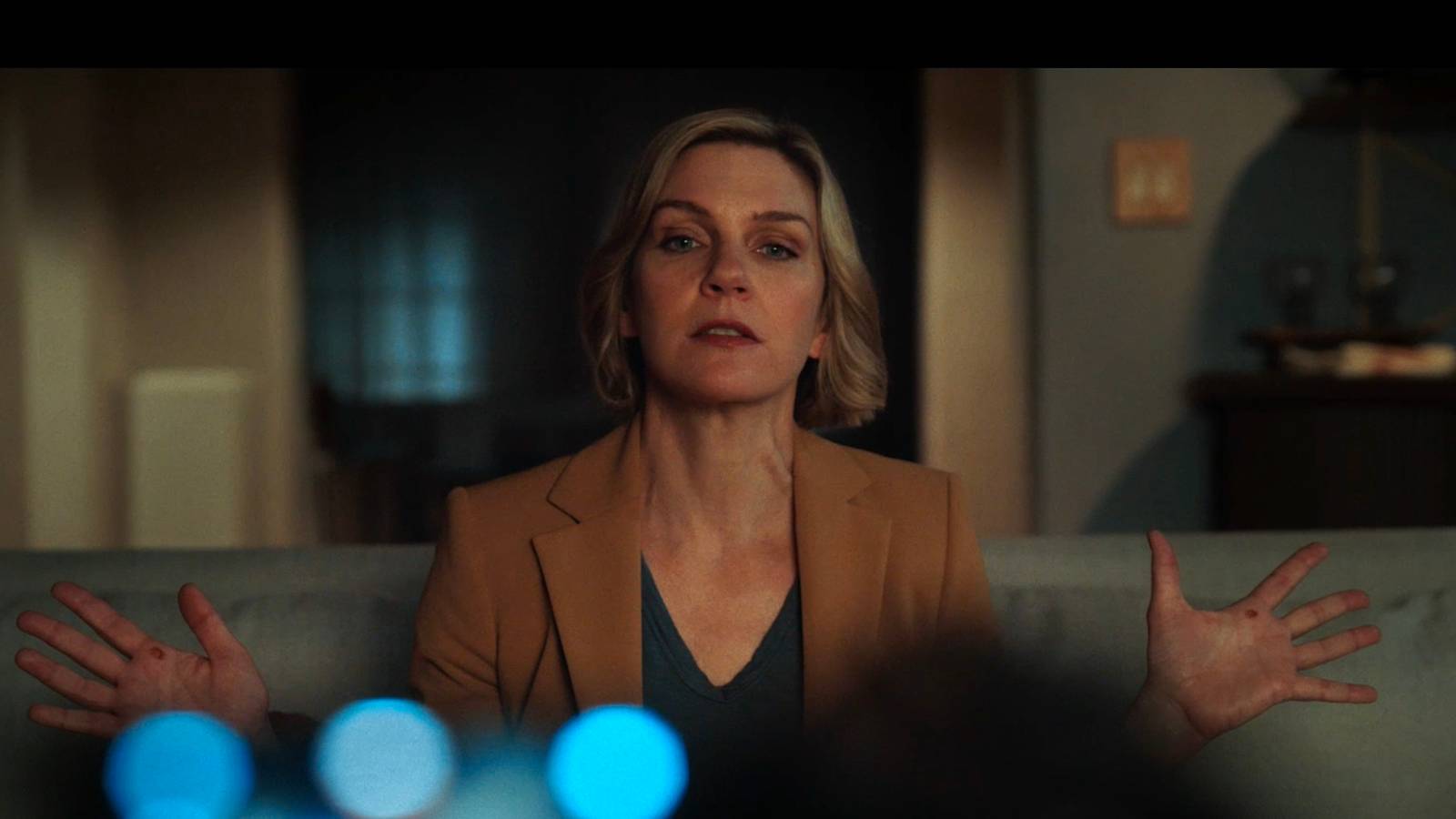
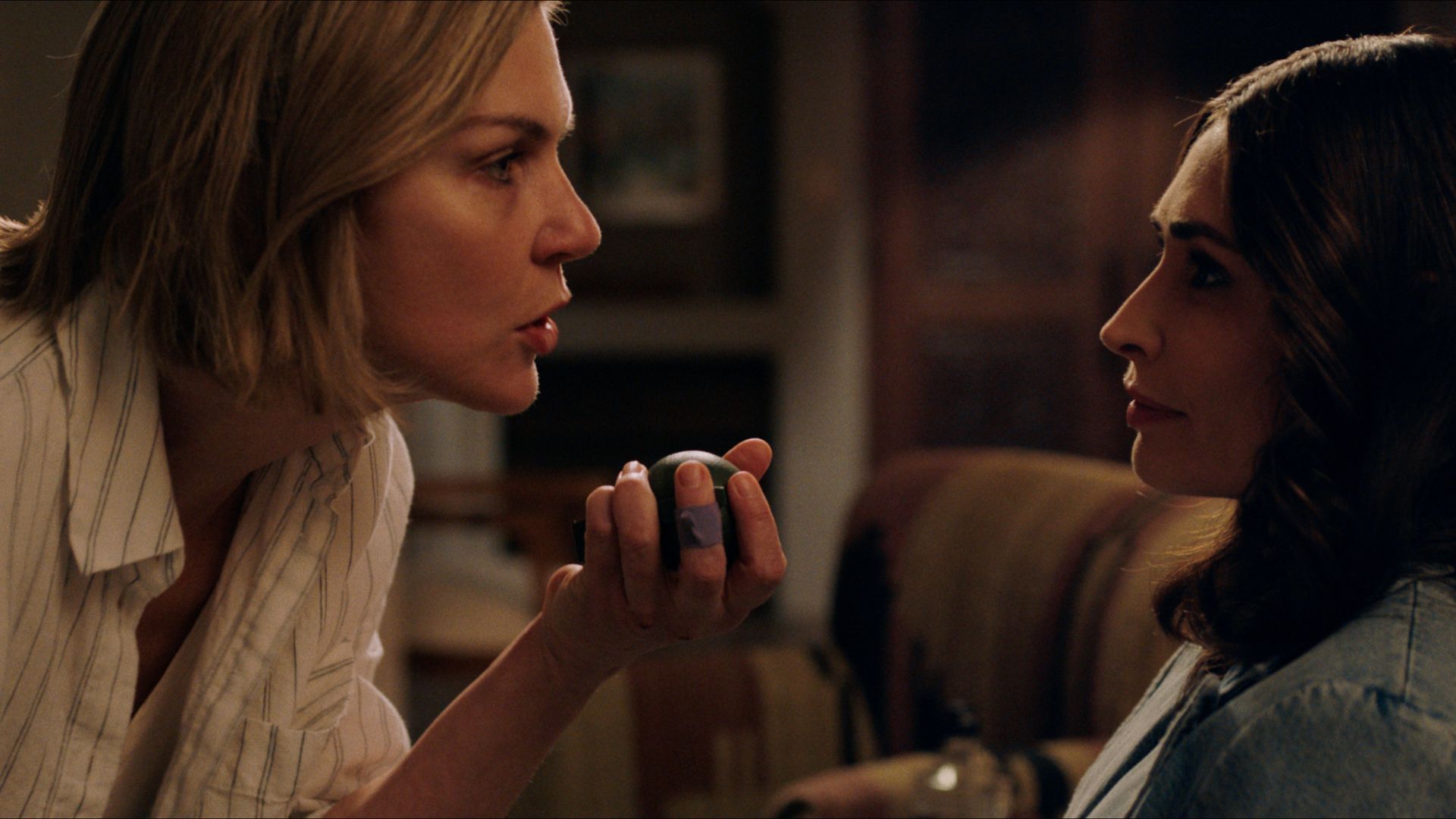
Pluribus Season 1 Episode 5 Breakdown: The Dark Secret Inside the Milk | Recap & Review


Description: A comprehensive deep dive into Pluribus Season 1 Episode 5. We break down Carol's isolation, the terrifying symbolism of the wolves, and a disturbing theory about what the Hive Mind is actually consuming to survive.

Focus Keywords: Pluribus Season 1 Episode 5 Recap, Pluribus ending explained, Carol Pluribus theories, Hive Mind secrets, Pluribus milk theory, Pluribus dark twist, Pluribus cannibalism theory.

Introduction: The Hive Mind's Mask Slips

In the fifth episode of Pluribus Season 1, the show takes a sharp, psychological turn. We witness a drastic shift in the dynamic between our protagonist, Carol, and the collective entity known as the Hive Mind. This week, we find a different side of Carol—a woman literally forced into radical self-reliance. As predicted in previous analyses, the Hive Mind is afraid. They aren't just worried about her figuring out how to reverse the joining; they are terrified because she has inadvertently exposed their greatest physiological weaknesses.

Our lone wolf, Carol, finally uncovers the dark truth about what the "others" like to consume. The discovery is darker, grittier, and more disturbing than anyone could have anticipated. From the metaphor of "wolves in sheep's clothing" to the eerie, recurring symbolism of milk cartons, this episode is a masterclass in tension. It is filled with stress, profound isolation, and a revelation that fundamentally changes the genre of the show from a sci-fi mystery to a survival horror.

The Cold Shoulder: Carol’s Isolation Begins

The episode opens back inside the hospital, and the atmosphere is pure organized chaos. The infected are prepping to move everyone out, acting with a robotic efficiency that is chilling to watch. Amidst this flurry of activity, there is one subtle detail that might seem insignificant at first glance but becomes the key to the entire mystery: a man casually drinking a carton of milk amidst the medical emergency.

Carol is visibly stressed, carrying the heavy burden of putting Zosia’s life on the line after the dramatic events of the previous episode. Just when her stress levels hit their peak, the phone rings. It’s Lexi. But this isn't the friendly check-in or the monotone pleasantries we've come to expect from the infected. This is raw, human, protective rage. Lexi demands to know if Carol is mentally unsound, not just for giving Zosia a heart attack, but for making her son cry.

For Carol, this burst of anger is paradoxically refreshing. It serves as a grounding counterpoint to the Hive Mind's forced, artificial happiness. It’s real emotion in a world of synthetic peace. However, the moment is fleeting. When Carol tries to share her scientific breakthrough about potentially reversing the joining, Lexi shuts her down immediately.

This call marks the beginning of Carol's complete isolation. When she asks one of the infected to ensure Lexi doesn’t call again, the reaction is telling. The infected person doesn't smile or comply eagerly; they give her a nervous glance and rush off. We have seen the Hive Mind try to reassure Carol before, offering platitudes like "It's not your fault" or "You did your best." Not this time. They are actively avoiding her.

The "cold shoulder" becomes literal when Carol takes a nap. While she sleeps, the infected execute the ultimate "ghosting" plan—silently walking out in a long line, vacating the premises entirely and leaving her abandoned in a hollow, empty hospital.


The Breakup Dynamic: "We Need Some Space"

The distance between Carol and the Hive Mind is no longer metaphorical; it is physical. They are running from her because her solution means their dissolution.

When Carol wakes up to a deserted hospital, she calls the help number—her only lifeline to this new society—only to reach a voicemail. The message she hears is straight out of a modern breakup playbook: "We need some space."

This particular choice of words suggests that the dynamic between Carol and the Hive Mind has evolved into a toxic relationship where emotional manipulation flows both ways. It is a "breakup" in the truest sense. The Hive Mind is the partner who refuses to communicate difficult truths, preferring to ghost the other person rather than face confrontation.

Carol drives to the tallest building she can find, watching from the roof as the others literally leave town. She finally has what she claimed to want: solitude. But the silence is deafening. It’s Day 8, 22 hours, 36 minutes, and 30 seconds into the new world, and Carol is alone.

Back at home, she records a video manifesto. Interestingly, she makes a point to hide the alcohol bottles in the background—a small, humanizing detail showing she wants to be taken seriously. She weaponizes their own philosophy against them, demanding they subtitle her recording and distribute it to non-English speakers. She threatens a "Bad Mood Carol" if they don't comply. She has realized that her sadness is their kryptonite; if she is unhappy, the collective suffers.

When a drone arrives to pick up the recording, the scene feels bizarrely domestic. The drone acts as a mediator in a bad breakup—the mutual friend coming by to pick up an ex’s clothes because the two parties can't stand to be in the same room.


Wolves at the Door: A Metaphor for Invasion

One of the most telling and visually striking sequences in this episode involves the actual wolves. Carol, finally gathering the courage to sleep in the bed she shared with Helen, is awoken by a noise. A pack of wolves is rummaging through her trash.

Carol snaps into fight-or-flight mode, grabbing a golf club to defend her territory. This scene is heavy with irony: despite claiming she loves her independence and hates the Hive Mind, she immediately calls them for help to get the lights cut back on to scare the animals away. It highlights her vulnerability.

Later, the wolves return in greater numbers, but this time they aren't just looking for trash—they are digging at Helen’s grave. This violation triggers something primal in Carol. She drives a police car through her own fence, sirens blaring, to scare them off.

The wolves here serve as a potent, multi-layered metaphor for the Hive Mind itself:

  1. Invasion: Just like the wolves, the Hive Mind invades her personal space and tries to disturb the sanctity of her memories (Helen).

  2. Wolves in Sheep's Clothing: To Carol, the Hive Mind appears peaceful and nice ("sheep"), but underneath, they are dangerous animals driven by a hunger we don't yet understand.

  3. Survival: The wolves are starving and desperate. As we find out later, the Hive Mind might be driven by a similar biological desperation.

Carol’s response to this is powerful. She reinforces Helen's grave with stones and paints a proper headstone. It highlights a strong character contrast: while the world falls apart and the dead are desecrated, Carol is actively building, protecting, and confronting her grief.


The Symbolism of Milk: Innocence Masking Evil

Before we get to the dark discovery, we have to talk about the milk. Throughout the episode, the presence of milk cartons is constant, serving as a visual motif that screams "something is wrong."

Milk is traditionally associated with purity, innocence, and youth—it strengthens bones and is a staple for children. However, cinema has a long history of subverting this trope to signal hidden evil or corruption.

  • A Clockwork Orange: The violent gang drinks drug-laced milk ("milk plus") before their brutal crime sprees. The white, pure liquid creates a disturbing visual contrast against the dark violence they commit, suggesting a perversion of youth.

  • Inglourious Basterds: Colonel Hans Landa drinks a glass of fresh milk while interrogating a farmer. He treats it as a wholesome refreshment while orchestrating the murder of a family beneath the floorboards. The milk emphasizes his detached, psychopathic calmness.

  • Get Out: The character Rose eats Froot Loops separately from her milk, sipping the white liquid through a straw. This separation signifies her segregationist ideology and her complete detachment from humanity.

Why does this symbol work so well in Pluribus? Because milk represents everything the Hive Mind pretends to be: pure, innocent, nurturing, and wholesome. By consuming it constantly, the Hive Mind is wearing a mask of normalcy. They operate in a bubble of naive bliss, like children, until Carol—the representative of harsh, adult reality—disrupts them.

The Science of the Substance: Carol's Analysis

The drone disaster that scatters Carol's trash leads her to a local recycling bin, where she notices something peculiar: hundreds of empty, different-flavored milk cartons. This isn't just a few people liking dairy; it's a systemic consumption pattern.

This leads her to Duke City Dairy. The factory is eerily quiet—production has stopped, yet crows are gathering in the back. Carol discovers they are eating a mysterious powder. Being the scientist she is, she doesn't just guess; she tests it.

Her findings are specific and chilling:

  • Odorless: The substance has no smell, likely to mask its origin.

  • Neutral pH (7.1): It registers a 7.1 on the pH scale, making it completely neutral, similar to water or celery. This neutrality suggests it is highly processed, stripped of acidic or alkaline traits that might identify it.

  • Texture: It is a powder mixed with water, not actual dairy.

The Discovery: The Cannibalism Theory

The true horror is revealed when Carol tracks the barcode on the powder bags to a dog food manufacturer. Inside the facility, she finds a massive freezer filled with frozen goods. But hidden away is something that confirms the darkest theory yet.

The Theory Explained

Remember the bodies being loaded into trucks with milk logos in Episode 2? Remember the wolves digging up the grave?

The theory is dark, but the evidence is mounting: The Hive Mind is consuming the dead.

It appears they are processing human remains—those who died during the joining or perhaps afterward—reducing them to a powder, and mixing them into the dry material found in those dog food bags to create their "milk."

The evidence fits perfectly:

  1. The Trucks: We saw bodies loaded into dairy trucks.

  2. The Crows: Scavengers known for eating carrion were feasting on the powder.

  3. The Dog Food Bags: Why use dog food packaging? Perhaps because it's processed protein, indistinguishable from other meats once ground down.

The Hive Mind isn't just seeking conformity; they are desperately consuming the dead to sustain their collective life. The "peace" they offer is built on a foundation of industrial cannibalism.

Conclusion & Future Implications

This revelation changes the genre of the show entirely. Pluribus is no longer just a social commentary on collectivism; it is a story about survival at the highest cost. Beneath the polite smiles and collective harmony lies a primal, ruthless instinct. The "wolves in sheep's clothing" metaphor is no longer just a figure of speech—it is the literal reality.

This raises terrifying questions for the future of the series:

  1. Sustainability: How long can this last? Do they rely on natural deaths, or will they eventually start "turning" on the living to create new ingredients?

  2. Withdrawal: If Carol cuts off their supply, will they starve? Will the "nice" Hive Mind become aggressive, reverting to zombie-like desperation for the flesh that sustains them?

  3. Irreversibility: If they are sustained by this horrific diet, can they ever return to being normal humans? Or does the consumption of human flesh permanently alter their biology?

Carol is now armed with this knowledge. As she stares into that freezer, realizing the magnitude of the horror, she knows the enemy isn't just annoying or controlling—they are monstrous.

What did you think about the milk carton discovery? Do you agree with the theory that the Hive Mind is recycling human remains for food? Let me know your theories in the comments below!

Monday, November 24, 2025

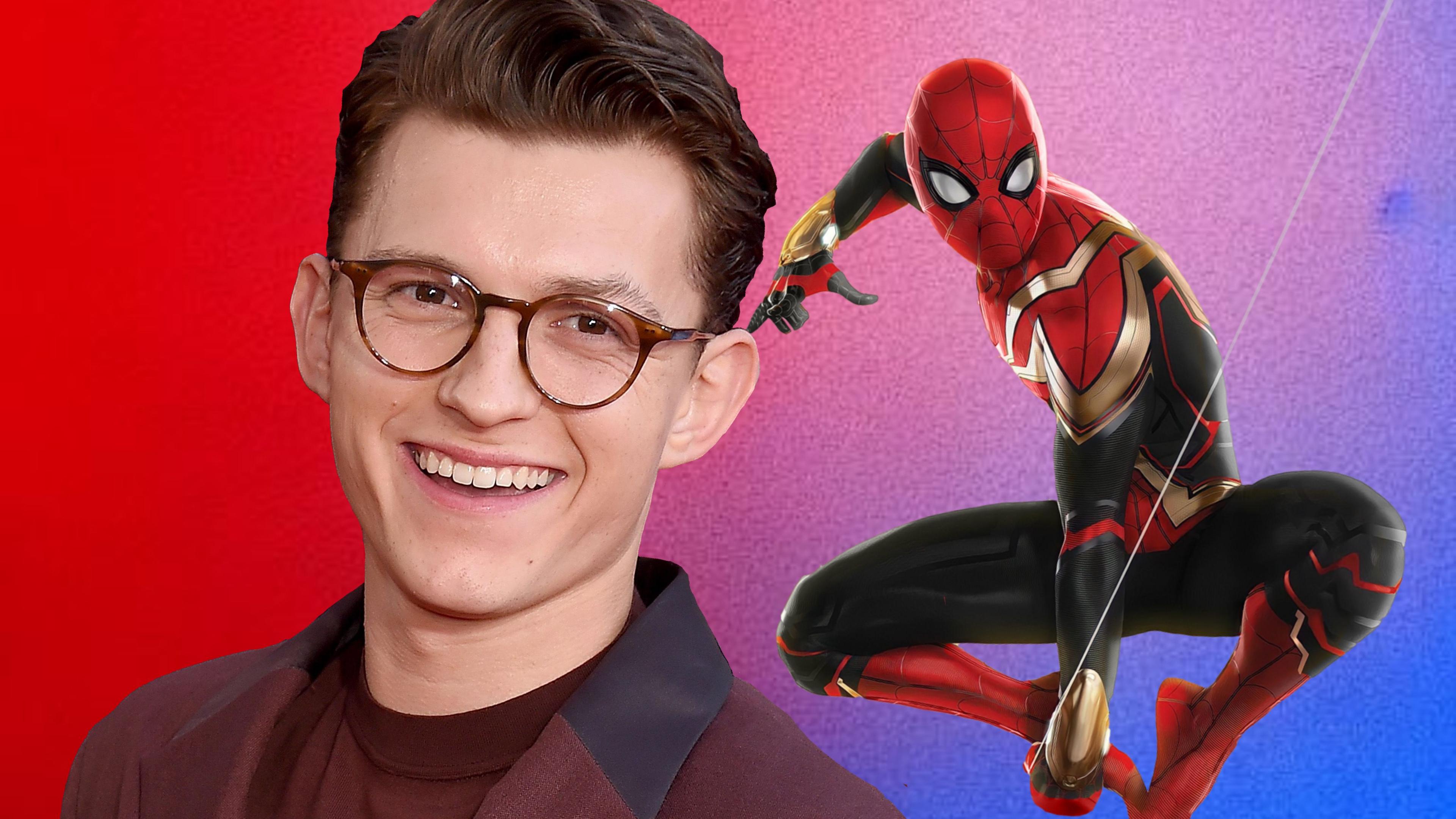
Spider-Man: Brand New Day – Trailer Predictions, Cast Rumors & What to Expect


Spider-Man 4 is coming! We break down the 'Brand New Day' trailer predictions, confirmed cast rumors involving Tom Holland, Sadie Sink, and the return of Savage Hulk


Spider-Man: Brand New Day – Trailer Predictions & Everything We Know

The wait for the next chapter in Peter Parker’s life feels like it has lasted forever, and the silence from Sony and Marvel Studios has been deafening. With the massive crossover event Avengers: Doomsday looming on the horizon for 2026, all eyes are turning to the Web-Head to set the stage for the next phase of the MCU. If the rumors and reports are to be believed, the next film—tentatively titled Spider-Man: Brand New Day—won't just be a standard sequel. It is shaping up to be a complete tonal reset, a fresh start that redefines who Peter Parker is when the mask is off.

We are long overdue for a look at Tom Holland’s fourth solo outing. Historically, Sony favors December trailer drops for their big summer Spidey hits (Homecoming and Far From Home both followed this pattern). This means we could be seeing our first glimpse of the friendly neighborhood hero very soon. But what exactly will this movie look like? Will it continue the multiverse madness of the previous film, or are we pivoting to a gritty, street-level brawl for the soul of New York City?

Here is a deep dive into what we can expect from Spider-Man: Brand New Day, the wild cast rumors, and why this movie might be the perfect "jumping-on" point for a whole new generation of fans.

A "Brand New Day" for Peter Parker

The title Brand New Day isn't just a catchy marketing slogan; for comic book fans, it carries significant weight. It references a very specific, and somewhat controversial, era in the Spider-Man comics. Following the One More Day storyline—where Peter sacrificed his marriage to Mary Jane to save Aunt May via a deal with Mephisto—the Brand New Day arc served as a soft reboot for the character.

That comic run focused on a Peter Parker who was back to basics: anonymous, struggling to pay rent, dealing with a terrible dating life, and fighting street-level crime rather than cosmic threats. He was no longer an Avenger living in a high-tech tower; he was a guy trying to scrape together enough cash for wheatcakes.

All signs point to the MCU taking a remarkably similar approach. The ending of Spider-Man: No Way Home left Peter entirely alone—no Aunt May, no best friend Ned, no girlfriend MJ, and no Stark tech safety net. Reports suggest this film will embrace that isolation to tell a grounded story. We aren't expecting magic spells or alien invasions. Instead, we’re talking practical swinging effects, fights in gritty New York City back-alleys, and a Peter Parker who is genuinely on his own, relying on his wits and his web-shooters.

Marvel Studios is incredibly smart about franchise management. They know it can be intimidating for casual audiences to jump into a saga 30 movies deep. By stripping away the Iron Man tech and the multiverse baggage, this film seems designed as an "on-ramp"—a narrative reset where you can start watching without needing a PhD in MCU lore.

The Cast: A Mix of MCU Veterans and New Faces

While we expect Tom Holland to return as the wall-crawler, the supporting cast list is shaping up to be an insane mix of MCU veterans and exciting newcomers. Here is the breakdown of who we might see and what their roles imply about the plot:

The Heavy Hitters

  • Mark Ruffalo (The Hulk): Perhaps the most exciting rumor is the potential return of the Green Goliath. However, reports suggest we are finally losing the gentle, intellectual "Smart Hulk" and getting the return of the Savage Hulk. The dynamic here writes itself: Spider-Man’s agility and quick wit versus the Hulk’s uncontrollable, brute force. Seeing a big, dumb, angry Hulk tearing through New York alongside (or against) Spidey? That is the kind of spectacle we need.

  • Jon Bernthal (The Punisher): Frank Castle is officially back in the MCU mix. Having The Punisher in a Spider-Man movie screams "street-level stakes." This pairing offers a fascinating philosophical clash: Peter Parker, the hero who refuses to kill, forced to work alongside Frank Castle, a vigilante who believes the only good criminal is a dead one. It adds a layer of moral complexity that we haven't seen in Holland's run yet.

  • Zendaya (MJ): It’s hard to imagine a Holland Spidey movie without MJ, even if she doesn't remember him right now. Her inclusion raises big questions: Will Peter break his promise and try to remind her? Or will she be a distant figure, living her life while Peter watches sadly from the rooftops?

The Rogues Gallery

  • Michael Mando (Scorpion): Better Call Saul fans, rejoice. We’ve been waiting since the post-credits scene of Spider-Man: Homecoming (2017!) for Mac Gargan to suit up. He has been sitting in prison with a grievance against Spider-Man for years. If the movie is grounded, a tech-based villain like Scorpion is the perfect physical threat.

  • Marvin Jones III (Tombstone): Rumors of Tombstone appearing are another major indicator that we are dealing with organized crime rather than aliens. Lonnie Lincoln (Tombstone) is a classic mob enforcer with skin as hard as diamond. He represents the gritty underworld of New York that Spider-Man often has to dismantle piece by piece.

The Mystery Roles

  • Sadie Sink: The Stranger Things star is confirmed to be in Secret Wars, but rumors heavily place her in this film first. The internet is ablaze with theories. Is she Gwen Stacy, finally introducing the tragic love interest? Is she Black Cat (Felicia Hardy), the perfect foil for a lonely Peter Parker? Or could she be a multiverse curveball like Mayday Parker (Peter’s daughter from another timeline)? While Mayday would be a fascinating twist, it would complicate the "grounded" theory. Given the street-level vibe, Black Cat seems like the most organic fit—someone who can tempt Peter to abandon his civilian responsibilities.

  • Liza Colón-Zayas & Tramell Tillman: Two incredible actors in undisclosed roles. Rumors suggest Colón-Zayas could be playing a detective character, possibly tracking vigilantes. Tillman, known for his chilling performance in Severance, would make for an understated, terrifying antagonist. Could he be a government agent, or perhaps a new intellectual rival?


The Main Villain: Enter Mr. Negative?

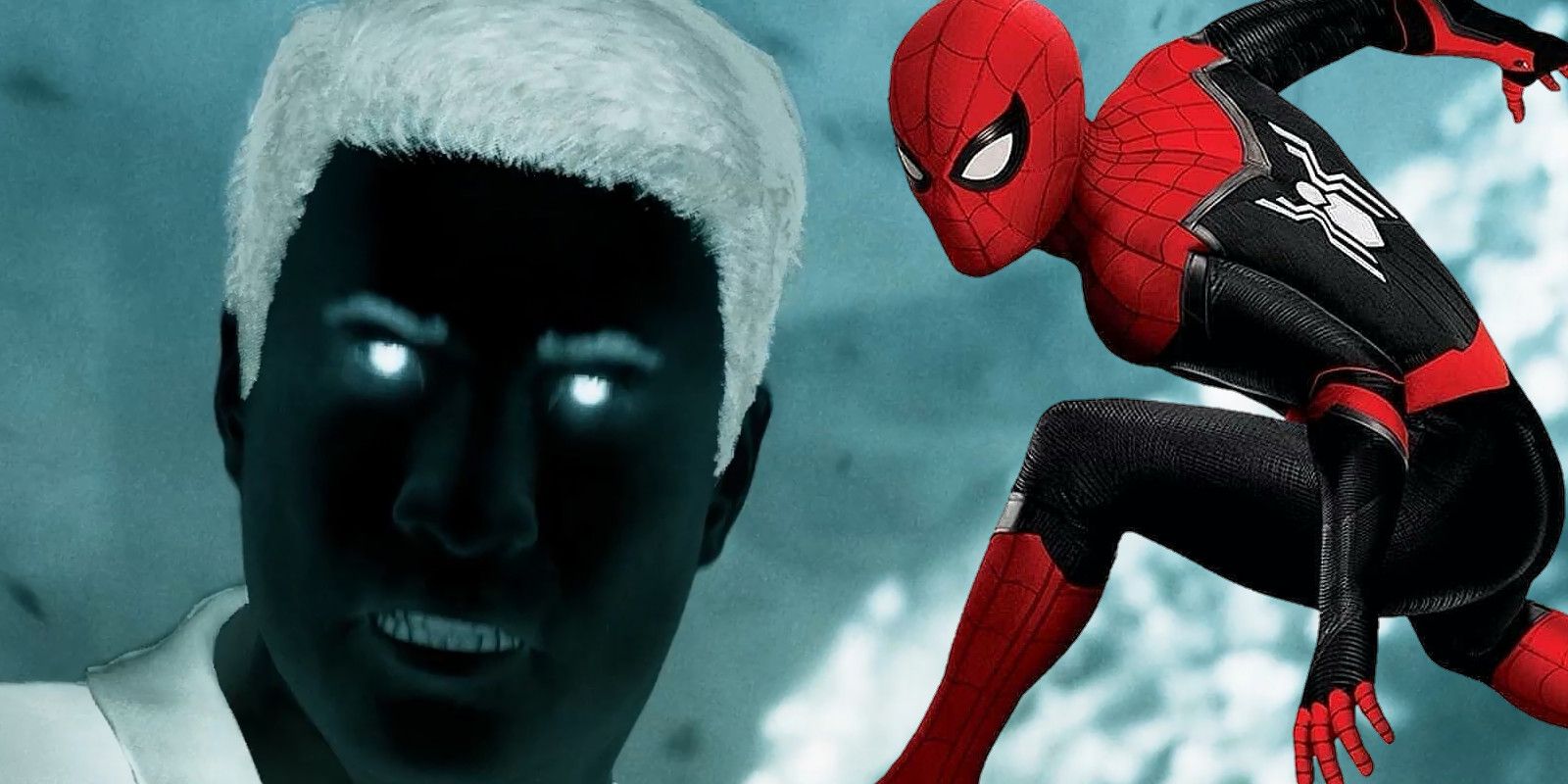
While we all have our wishlists—a new, terrifying Doc Ock or a live-action Kingpin showdown—the "Brand New Day" title heavily implies the arrival of Mr. Negative.

Martin Li (Mr. Negative) is a fascinating villain because of his duality. Publicly, he is a philanthropist running the F.E.A.S.T. shelters—the very same shelters where Aunt May worked and where Peter has volunteered. This creates a deeply personal conflict for Peter, echoing the classic "Norman Osborn is my best friend's dad" trope.

Visually, Mr. Negative’s powers would look stunning on the big screen. His ability to invert energy creates a stark black-and-white visual style that would be unique in the colorful MCU. Furthermore, his "Inner Demons" gang provides perfect fodder for Spider-Man to fight in hand-to-hand combat sequences. If Sony wants a villain that fits a story about organized crime but still offers a supernatural visual spectacle, Mr. Negative is the undisputed champion.

What to Expect in the Trailer

Sony has a specific playbook when it comes to marketing Spider-Man. When that trailer finally drops, here is the formula you should look out for:

1. The "Status Quo" Opener

The trailer will likely open by establishing Peter’s new, lonely reality. Expect shots of a tiny, run-down apartment with a police scanner buzzing in the background. We'll likely see him struggling to pay bills, maybe getting yelled at by a landlord, or trying to sell photos to a Daily Bugle editor. It needs to establish his rock-bottom status so we know exactly what he is fighting to protect—his own survival.

2. "Quips and Thwips" Action Montage

To remind international audiences that this is a fun blockbuster, expect a montage of acrobatic stunts. If the reports of "practical swinging" are true, we might see fewer CGI skyscrapers and more shots of stunt performers physically swinging through actual streets. This will be intercut with classic Spidey humor—him webbing up thugs and cracking jokes to hide his own fear.

3. The MCU Connection

Even if this is a standalone story, Sony loves to remind us it is connected to the wider universe. Expect a hero shot of the Hulk, or perhaps a cameo by Jon Bernthal’s Punisher. We might even see background details like graffiti of Iron Man or a billboard for Rogers: The Musical. They need to signal to the casual viewer that this isn't just a Sonyverse movie like Morbius—it’s an MCU event.

4. The Signature Deception

Sony is famous for "trailer deception." They have a history of editing things out or adding things in to mislead fans. Remember Andrew Garfield’s hand being edited out of No Way Home? Or the Vulture scenes in the Morbius trailer that never happened?

  • Watch out for: Shots of Sadie Sink where her outfit is conveniently obscured (hiding a Spider-Woman or Black Cat suit).

  • Franken-bites: Listen closely to the audio. If Jon Bernthal says a line that sounds choppy, it's likely a "Franken-bite"—audio stitched together from three different scenes to create a sentence he never actually says in the film.

Final Thoughts: A Billion Dollar Movie?

This movie has a tremendous amount of pressure riding on it. It needs to succeed not just as a Spider-Man movie, but as the bridge between the street-level heroes (Daredevil, Punisher, Kate Bishop) and the massive Avengers: Doomsday event.

If the trailer delivers on these rumors—if it ends with a roar from a Savage Hulk, a glimpse of the Punisher’s skull vest, or the first look at Mr. Negative’s corrupted energy—the hype train is going to leave the station at full speed. We might even get a post-title tag teasing the villain—a classic Sony move to keep us talking until release day.

What do you think? Is Sadie Sink playing Gwen, Black Cat, or someone else entirely? And are you ready for a Savage Hulk team-up, or would you prefer Spidey flies solo? Let me know your theories in the comments below!

Stay tuned to this blog for a frame-by-frame breakdown as soon as the trailer drops!

CLOSE TO MY HEART

Pluribus Season 1 Ending Explained: Episode 9 Breakdown, The Atom Bomb, & What’s Next for Season 2

  Pluribus Season 1 Finale: Identity, Betrayal, and The "Atom Bomb" Ending Manusos Obrero almost died getting to her. After weeks...

ANYONE LIKED IT