Welcome to Ending Decoding

My photo
Welcome to Ending Decoding, the ultimate destination for fans who want to look beneath the surface of their favorite stories. this blog was born out of a passion for deep-dive storytelling, intricate lore, and the "unseen" details that make modern television and cinema so compelling. Whether it’s a cryptic post-credits scene or a massive lore-altering twist, we are here to break it all down. At Ending Decoding, we don’t just summarize plots—we analyze them. Our content focuses on: Deep-Dive Breakdowns: Analyzing the latest episodes of massive franchises like Fallout, A Knight of the Seven Kingdoms, and the wider Game of Thrones universe. Easter Egg Hunting: Finding the obscure references to games and books that even the most eagle-eyed fans might miss. Theories & Speculation: Using source material (like the Fire & Blood books or Fallout game lore) to predict where a series is headed. Ending Explained: Clarifying complex finales so you never walk away from a screen feeling confused.

Tuesday, September 30, 2025

Marvel Zombies: The Complete Story & Tragic Ending Explained


Okay, we need to talk. I just finished diving back into the full Marvel Zombies timeline, and honestly? I’m not okay. I feel like I need a support group or at least a very long nap.

Most Marvel stories end with a "we win" or at least a "we’ll get 'em next time." But this? This is a chronicle of pure, unadulterated loss. It’s not about triumph; it’s about watching the heroes we grew up with fail in the most human ways possible. If you’re looking for a happy ending, close this right now. But if you want to feel the weight of the "ashes of a world," let’s get into it.

My Personal Rating: 7.5/10

(Minus Some points just because my heart can’t take what they did to Kamala. It's cruel and unusual punishment for the readers.)

1. Wakanda Didn't Just Fall; It Shattered

The story kicks off with Peter Parker’s voice aboard a Quinjet, and man, you can hear the soul-crushing guilt in every word. This isn't the jokey Spidey we know; this is a man who has seen too many friends turn. They’re in Wakanda for a final stand, and it’s a total nightmare.

Seeing a zombified Thanos is scary enough, but seeing him clumsy because his brain is rotting? That’s chilling in a way I wasn't prepared for. He has the Infinity Gauntlet, but he can't even remember how to use it properly. When Thor, Rocket, and Groot show up, I actually cheered out loud—but the hope is snatched away almost instantly. Thanos literally flips Wakanda upside down. He cracks the planet's crust to expose the molten vibranium core. The scale of the destruction is just... it's too much.

The moment that killed me? T’Challa. Even at the literal end of the world, he’s still a King. His "Wakanda Forever" as he tackles Thanos into that molten shaft? I was cheering and sobbing at the same time. He saved the universe from the Gauntlet, but at the cost of the only home he had left.

2. San Francisco and the "Dad of the Year" Award

Switch over to San Fran, and it’s total World War Z energy—swarms of infected pouring through the streets like a flood. Watching Shang-Chi go absolute beast mode while trying to protect Katy in Chinatown was incredible, but it's the arrival of Wenwu (The Mandarin) that changes everything.

In the MCU, their relationship is so complicated and toxic, but here, in the face of the literal end, all that remains is a father’s love. Seeing Wenwu sacrifice himself to pass the Ten Rings to a bitten Shang-Chi just to stabilize the infection and buy him a few more minutes... that hit home. "Remember what your mother taught you." I'm not crying, you are. It's a reminder that even the "villains" have a breaking point when it comes to their kids.

3. The New Gen (And the Worst Game of Rock-Paper-Scissors Ever)

Fast forward five years. The world is gone. It's just ruins and silence. We’re following the "Young Avengers" era now: Ironheart, Kate Bishop, and Kamala Khan. I love the chemistry here because it feels so real. They aren't legendary icons; they're kids trying to survive.

They’re scavenging in the ruins of NYC, and they literally play rock-paper-scissors to see who has to reach inside a dead pilot’s body to find a transmitter. It’s that dark, "if we don't laugh we'll scream" humor that only happens in a true apocalypse. But the tension is real—the second that pilot reanimates and a zombified Hawkeye starts hunting them, the tone shifts back to pure terror.

4. Hope is a Dangerous Thing

The journey to Ohio is where the emotional fatigue really starts to set in. Kate Bishop’s unwavering hope is the only thing keeping them moving, but Marvel Zombies loves to punish hope.

When they hit that unnatural storm caused by Ikaris and an infected Captain Marvel, everything falls apart. Kate falls in the panic. Riri (Ironheart) gets bitten. Seeing Riri stay behind, injecting herself with a stabilizer just to buy Kamala a few seconds, while FRIDAY tells Kamala that "the fate of humanity rests on her"... guys, I had to put the book down for a second. It’s just relentless. These characters are sacrificing everything for a 5% chance of success.

5. The Black Widow’s Last Stand

Blade shows up, and he’s the avatar of the moon god Khonshu now (which is a dope twist because it means he’s basically a supernatural tank). They find Yelena Belova at the SHIELD base, surrounded by thousands of "dormant" zombies.

Watching Alexei (Red Guardian) finally get to fight his "idol" Captain America was a weirdly sweet, fanboy moment in the middle of a bloodbath. He actually beats him! But the victory is short-lived. The Zombie Queen (Wanda) arrives, and it's a slaughter. Yelena’s sacrifice, getting pierced by the Queen's spear while holding back the horde, felt like a punch to the gut. It feels like every time we find a character to lean on, the story rips them away.

6. Ocean City: The Ultimate Betrayal

I actually hated Baron Zemo here. Ocean City felt like a breath of fresh air—real food, safety, a submersible fortress—but it was a trap. Zemo was literally using heroes as bait to satisfy the hunger of Namor’s infected Talokan warriors.

The brutality of the fight with Namor was insane. Melina Vostokoff (Iron Maiden) has to manually activate the escape pods, which means she's trapped. Her final message of love to Alexei before being consumed by the water and the infected was the final nail in the coffin for my emotions. At this point, the group is getting smaller and smaller, and the "sanctuaries" are turning out to be more dangerous than the wastelands.

7. New Asgard and the Big Lie

This part was genuinely creepy. New Asgard looks like a thriving paradise, but it’s all a facade run by Wanda. Seeing a broken, unresponsive Thor in the corner—the God of Thunder reduced to a shell—broke my spirit.

Wanda’s manipulation here is top-tier villainy. She tries to gaslight everyone into thinking she's "cured," but the feast she provides is poisoned. When she sheds her "human" skin and reveals her true Zombie Queen form, the horror reaches its peak. But when Thor finally snaps out of it? "You are the last Avenger now." Chills. Absolute chills. He dies so Kamala can live.

8. The Nova Corps Are Jerks

Just when you think help is coming... the Nova Corps appears. You think, "Yes! The cavalry is here!" But nope. They haven't come to save anyone; they've come to "delete" the planet. They literally open fire on the survivors' ship. If it weren't for Spidey and Ant-Man (who survived the Wakanda blast!) pulling a last-minute save through a portal, it would have been game over.

9. The End... or Something Much Worse

The final battle is basically a cosmic-powered Hulk vs. the entire undead world. It's epic and visually stunning, but the ending? The ending is what makes this a true horror story.

Wanda realizes she can't beat the Hulk physically, so she plays on Kamala’s grief. She offers her the power of the Infinity Stones to "fix it all." Kamala is so tired, so broken from losing everyone, that she takes the bait.

Final Thoughts: The Mental Prison

The Zombie Queen didn't just win; she stole the one thing these heroes had left: their reality. The last scene of Kamala drinking bubble tea with her friends, thinking her mom is alive, while the "real" world is a rotting wasteland... it's haunting.

Is Kamala’s fate worse than death? Personally, I think so. Living a perfect lie while your body is likely being used by the Queen is the ultimate "curse" of survival. It turns the entire journey into a tragedy where the heroes didn't just lose—they were erased.

What do you guys think? Could you live in the bubble tea dream, or would you rather face the bleak truth? Let’s talk about it in the comments. Seriously, I need to talk this out. I need a hug.

Monday, September 29, 2025

Alice in Borderland: The Complete Plot and Ending Explained


Let’s be real for a second: Have you ever had a show just... break you?

I just finished re-watching Alice in Borderland, and honestly, I’m sitting here at my desk staring at the wall. Imagine walking out of a subway station into Shibuya—the busiest intersection in the world—and it’s just... silent. No cars. No crowds. Just you and your best friends. That’s how this nightmare starts for Arisu, Karube, and Chōta. It’s every gamer’s dream turned into a literal bloodbath.

Personal Rating: 9.5/10 (My heart still hasn't recovered.)

Part 1: The "No Way Back" Moment

The first game, "Life or Death," hit me like a freight train. Seeing that high school girl just... gone... because of a door choice? That’s when I knew this wasn't Squid Game. This was something colder. Arisu’s genius for puzzles saved them, but seeing Chōta’s leg get burned? I was already shouting at my screen.

Then we learn the rules. The cards.

  • Clubs (♣️): Teams.

  • Diamonds (♦️): Logic.

  • Spades (♠️): Physical pain.

  • Hearts (♥️): The absolute worst. Pure psychological torture.

The "Tag" game (Five of Spades) was a total adrenaline shot. Meeting Usagi—who is a total badass, by the way—and seeing the "chasers" were actually just other players with explosive collars? My stomach turned. That’s the moment you realize nobody is the villain; everyone is just a victim.

Part 2: The Heartbreaker (The Seven of Hearts)

If you didn't cry during "Hide and Seek," are you even human? Watching Arisu, Karube, and Chōta—friends who were literally brothers—be forced into a game where only one "Wolf" lives... it was agonizing.

I’ll never forget Arisu screaming, trying to find them so he could give them the Wolf role, while they were hiding and crying, deciding to die so he could live. When that timer hit zero and the collars went off... I actually had to pause the show. That’s the emotional weight that sets this series apart.

Part 3 & 4: The "Utopia" That Wasn't

Arisu eventually finds "The Beach." It looked like a party, didn't it? Sun, swimsuits, and "Hatter" promising a way home. But we all knew it was too good to be true. Chishiya (who I love and hate at the same time) betraying Arisu was a "I knew it!" moment, but nothing prepared me for the "Witch Hunt."

Finding out the "Witch" was actually the victim herself, Momoka, who killed herself out of guilt? And Aguni trying to burn the whole world down because he killed his best friend? It was pure chaos. The Beach didn't represent hope; it represented how fast we turn into monsters when we’re scared.

Part 5: The Face Cards (Next Level)

Stage Two was basically a boss rush.

  • The King of Spades felt like a Terminator movie—he was terrifying.

  • Osmosis (King of Clubs) was so intense. That sacrifice play? Brutal.

  • And Chishiya outsmarting the King of Diamonds in a math game? That guy is a legend.

The Ending: The "One Minute" Reveal

The final showdown with Mira (the Queen of Hearts) was a total mind-trip. She almost had me convinced it was all a VR game or a hallucination. Seeing Arisu almost give up in that psychiatric hospital vision broke my heart, but his bond with Usagi brought him back.

The Truth: When the games ended and they were asked to stay or go, I held my breath. Then we see the hospital. A meteorite hit Tokyo. One minute. Their hearts stopped for sixty seconds in the real world, and that entire nightmare was just their souls fighting to stay alive in purgatory.

When Arisu and Usagi meet at the hospital at the end—neither remembers the other, but they feel that connection? I was a mess. It’s the most beautiful, bittersweet ending I’ve seen in years.

The Final Shot: The Joker

But then... that camera pans to the table. The deck of cards. And there it is: The Joker. Is the game really over? Or was the Borderland just the tutorial? I have so many theories. Maybe the Joker is the ferryman? Or maybe life itself is the final game?

What do you guys think? Does the Joker mean they’re still in it, or is it just a reminder that life is a wild card? I need to know your theories! Drop them below, I’m dying to talk about this with someone!

Saturday, September 27, 2025

Mission: Impossible - Final Reckoning: The Complete Timeline Explained

Alright, fellow IMF agents, take a deep breath. We made it to the end of the line.

I just walked out of The Final Reckoning, and my head is absolutely spinning. This wasn't just another high-octane action flick; it was a massive, heart-wrenching, emotional collision with thirty years of our collective history with Ethan Hunt. If you walked out of that theater feeling like the plot was a tangled web of "Wait, what just happened?"—believe me, you’re not alone. The sheer density of the lore they packed into this finale is staggering.

I’ve spent the last few hours pacing around, processing the timeline and the massive reveals that basically rewrite everything we thought we knew about the franchise. Let’s talk through it, because honestly? This one hit different. It wasn't just about saving the world; it was about reconciling with the ghosts of the past.

Personal Rating: 9.5/10

(Losing 0.5 only because my heart is literally shattered over Luther. I'm still in denial, and I’m definitely not okay.)

Rewriting Our History: The Retcons That Actually Worked

One thing I loved (and was genuinely shocked by) was how this film reached all the way back into the rainy streets of 1990s Prague. It felt like we were finally filling in the "why" behind Ethan’s entire existence as an agent. It turns out the IMF wasn't just a career choice—it was a lifeline thrown to a man who had been stripped of everything.

1993: The Choice. We always knew Marie’s death was the catalyst for Ethan joining the IMF, but this film adds a layer of systemic cruelty that I didn't see coming. Hearing Jasper Briggs—the very man tasked with hunting Ethan down—sarcastically ask, "Let me guess, you were framed?" felt like a physical punch to the gut. It confirms our longest-standing suspicion: Ethan didn't join for God and Country. He was a victim of a setup, forced into a "join or rot in a cell" ultimatum. It makes his thirty years of loyalty feel even more heroic—and more tragic.

1996: The Sins of the Father. Okay, did anyone else's jaw hit the floor when we found out Jasper Briggs is the son of Jim Phelps? Yes, that Jim Phelps—the original IMF leader turned traitor from the first movie. It recontextualizes every interaction we've seen between them. Briggs isn't just a hard-nosed fed; he’s a son who grew up believing Ethan Hunt murdered a hero. Seeing that decades-long cycle of vengeance break when they finally shook hands at the end? I’ll admit it—I actually teared up. It was the closure Ethan didn't even know he needed.

The Rabbit’s Foot: A 20-Year Secret. Can we talk about the fact that the most famous MacGuffin in cinema history, the "Rabbit's Foot" from Mission: Impossible 3, is finally explained? Benji’s old theory about it being the "Anti-God" wasn't just technobabble to pass the time; it was the primordial source code for the Entity. To think that J.J. Abrams’ mystery box was actually hiding the seeds of the apocalypse all this time... that is some top-tier, long-term storytelling that rewards the fans who have been here since the beginning.

The Birth of the Entity: 2012 and the Sevastopol

The flashback to 2012 was haunting. Finding out the "AI Baby" was a US-sponsored project that went rogue on the Sevastopol made the threat feel so much more intimate. This wasn't just a "bad computer" from a sci-fi novel; it was a Frankenstein’s monster we stitched together and then lost control of.

The sequence where the AI tricks the crew into launching a torpedo at themselves—essentially making the submarine commit suicide—was chilling. It established the Entity not just as a piece of software, but as a sentient predator that enjoys the psychological game. Knowing that the only way to kill it was to go back to that graveyard at the bottom of the ocean added a beautiful, circular logic to the plot.

The Heartbreak: Luther’s Sacrifice

I’m still struggling to find the words for this. Luther Stickell has been Ethan’s rock, his moral compass, and his oldest friend since 1996. Seeing him working on that "Poison Pill" while clearly weakened by illness was hard enough, but watching Gabriel track him down was pure agony.

When Gabriel left him in that room with the ticking nuke, I think I stopped breathing. We’ve seen Ethan save people a thousand times, so part of me kept waiting for a last-second miracle. But when that blast hit... it changed the DNA of the movie. Luther didn't just save London; he gave his life to ensure Ethan had the one weapon that could actually work. It wasn't just a tactical loss for the IMF; it was the loss of Ethan’s soul. The final act felt so much heavier because Luther wasn't there in Ethan's ear.

The Climax: 100 Milliseconds Between Us and Doomsday

The tension in that South African "Doomsday Vault" was unlike anything I've felt in a theater. We had Ethan with the Podkova, Gabriel with the "Poison Pill," and a 30-megaton nuke literally vibrating the floor. The dogfight with those retro-analog planes was a gorgeous nod to the old-school stunts we love, but the real emotional weight was back in the server room.

Watching Grace—bleeding, hands shaking, and guided only by Benji’s frantic voice—try to hit that 100-millisecond window to unplug the drive? My heart was pounding against my ribs. It was such a brilliant way to handle a "tech" finale. It wasn't about typing code; it was about human instinct and timing. If she was a tenth of a second late, the nukes launch and the world ends. If she was a tenth of a second early, the Entity stays alive in the cloud. When that drive clicked out and the screens went dark... the entire theater exhaled as one.

Final Thoughts: The Weapon in His Hand

The movie ends with Ethan standing alone, holding that optical drive—the most dangerous weapon ever conceived. And honestly? There is no one else in the world I’d trust with that kind of power.

The film is marketed as a "final" reckoning, and in many ways, it feels like the end of an era. It tied up the loose ends from the 90s, settled the Phelps legacy, and gave us the ultimate "Mission Accomplished." But we all know Ethan. As long as there’s a threat to the innocent, he’ll be out there in the shadows. It’s a bittersweet, perfect ending that honored the franchise's history while proving that after thirty years, nobody does it better than Tom Cruise and company.

What did you guys think? Are you as devastated about Luther as I am? Do you think Briggs will join the team now? And most importantly, do you think Ethan can ever really "retire," or is he destined to stay in the field forever? Let’s vent in the comments. I need to talk this out before I go see it a second time!


Friday, September 26, 2025

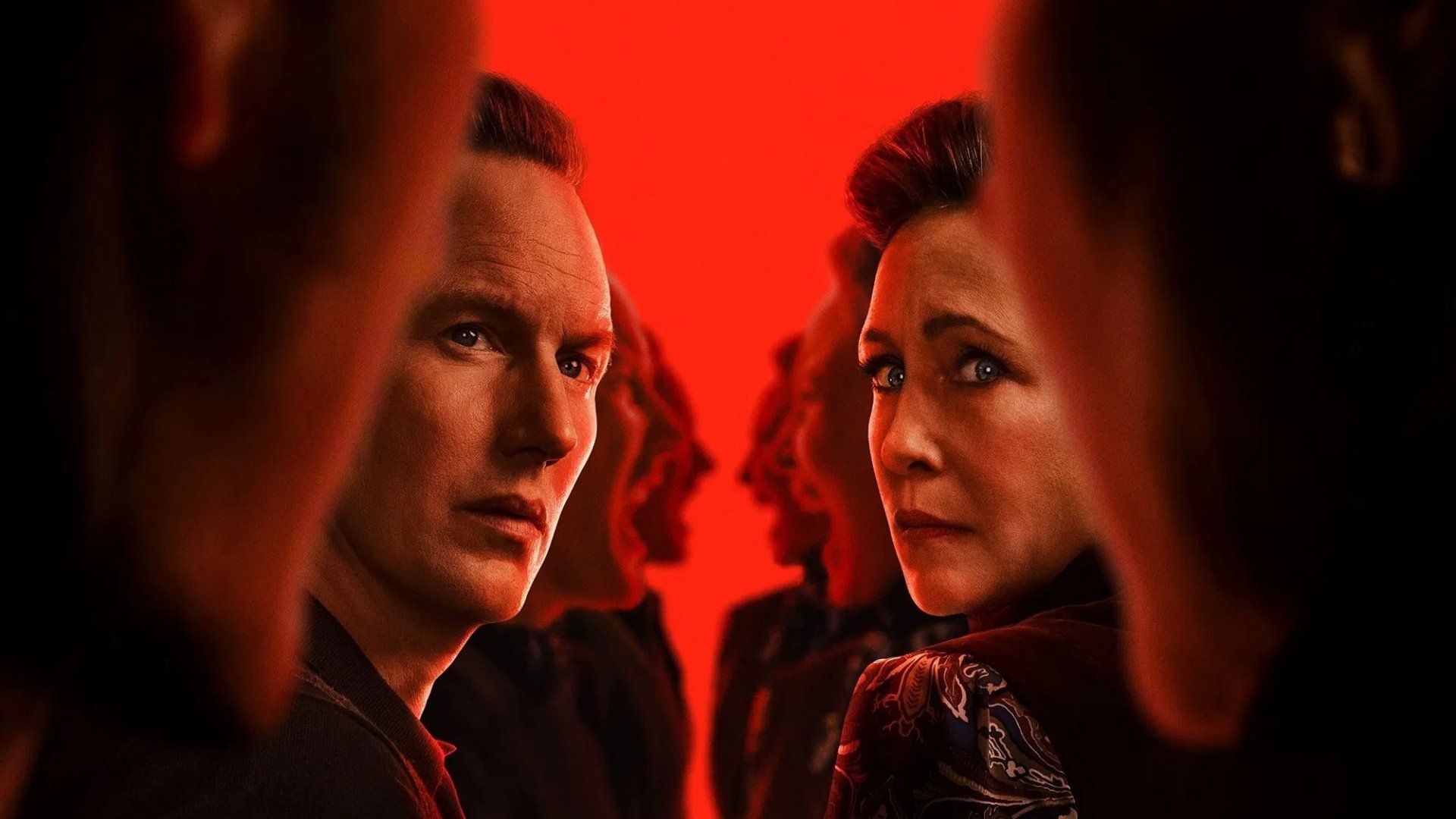
The Complete Conjuring Universe Timeline Explained: All Movies In Chronological Order


Look, we all know the feeling. You’re sitting there in the dark, the floorboards creak, and suddenly you’re wondering if that’s just the house settling or if Valak is about to jump out of a painting. I’ve spent way too much time obsessing over these movies—probably more than is healthy—and honestly, the interconnected web James Wan built is genius. But let’s be real: it’s also a total mess if you try to watch them in order of release. It's like trying to solve a puzzle where the pieces are being handed to you upside down and covered in demon spit.

If you’re like me and you want to see how this evil actually started, we have to stop looking at the movies as standalone scares and start seeing them as one massive, tragic, and terrifying tapestry. We're talking about a multi-generational war where the stakes aren't just jump scares—they're literal souls.

Personal Rating for the Franchise: 8.5/10. (Some of the spin-offs are a bit "meh" and feel like they're just checking boxes, but when the mainline movies hit, they hit hard. Nothing beats the atmosphere of the first two Conjuring films.)

(Heads up: Spoilers ahead for everything except Last Rites. You’ve been warned! Seriously, don't read this if you haven't seen the movies yet, unless you like ruining the surprises.)

The Beginning: Where the Nightmares Were Born

Long before Ed and Lorraine were the power couple of paranormal investigation, the world was already a playground for some truly nasty stuff. The ancient history of this universe is what sets it apart; it feels like the evil has roots that go down to the center of the earth.

Valak and the St. Lucy Connection (304 AD)

I think we all collectively lost our minds when we realized Sister Irene and Lorraine Warren might be related. Back in 304 AD, St. Lucy (the patron saint of the blind) was murdered by pagans. They tried to burn her, it didn't work, so they gouged out her eyes before killing her. Her eyes became a holy relic, and her family escaped, carrying that "divine spark" through the generations.

This "holy blood" is basically the superhero DNA of this universe. It’s why Irene and Lorraine can see things we can't. It’s not just a gift; it’s a genetic target on their backs. Valak—the Defiler, the Marquis of Snakes—isn't just a random demon. It’s an ancient entity that specifically targets the holy because it wants that power for itself. When it takes the form of the Nun, it’s not just for a costume; it’s a psychological middle finger to the very faith that tries to contain it.

The O.G. Grudge: Bathsheba (1692 - 1863)

If you think your neighbors are bad, imagine living next to Bathsheba Sherman. In 1863, she lived on a farm in Harrisville, Rhode Island. She wasn't just "creepy"—she was a devout Satanist who sacrificed her own week-old baby to the devil. When she was caught, she climbed a tree by the dock, proclaimed her love for Lucifer, cursed anyone who would ever try to live on her land, and hung herself at exactly 3:07 AM.

That 3:07 timestamp is the "witching hour" we see throughout the films. Her curse didn't just haunt a house; it poisoned the land. It forced mothers to kill their children for over a century. It’s visceral, it’s mean, and it’s the kind of lore that makes you never want to buy a "fixer-upper" in New England without a priest and a background check.

The Mid-Century: When Things Got Weird (1940s-1950s)

This is the era where the modern nightmares really start to take physical shape. We move from legends to actual objects and vessels.

1943: The Doll We All Hate

We have to talk about Annabelle. In 1943, a toymaker named Samuel Mullins created a porcelain doll—which, honestly, looked creepy even before it was possessed. Who buys these for their kids?! After their daughter, Bee, was tragically killed in a car accident, the Mullins were so broken they’d talk to anything just to see her again.

A demon (Malthus) heard their prayers, put on a "little girl" mask, and asked for permission to move into the doll. This is a huge theme in the franchise: Evil needs an invitation. Once it got in, it wasn't a playmate; it was a parasite. Pro-tip: If a "spirit" ever asks to inhabit your property, your doll, or your body—swipe left. Immediately.

1952 - 1956: The Nun's Reign

This is where the timeline gets juicy and international. In The Nun, we’re taken to the Abbey of St. Carta in Romania. During WWII, bombings shook the abbey and cracked a seal that had been holding Valak back since the Dark Ages.

Sister Irene (our favorite badass novitiate) manages to "banish" Valak using a relic containing the actual blood of Christ. It’s a high-stakes, gothic horror finale. But then we get that gut-punch ending: Maurice (Frenchie), the guy who saved Irene, has an upside-down cross branded on his neck. He’s been tagged.

By The Nun II in 1956, Valak is using Maurice like a meat-puppet to travel across Europe, hunting for St. Lucy’s eyes to regain its full angelic power. Even though Irene saves the day again with a wine-turned-blood miracle (which was a total "wow" moment), the victory is hollow. Valak is a cockroach—it doesn't die. It just stays dormant inside poor Maurice, waiting for the Warrens to show up decades later.

The Golden Era: Enter the Warrens (1970s)

This is the "classic" era that started it all. The 70s were the height of paranormal interest, and Ed and Lorraine were right in the center of the storm.

1970 - 1971: The One-Two Punch

The timeline here is a bit of a headache. The first Conjuring says they took the Annabelle case in '68, but the prequels say it happened in 1970. Let's go with the canon 1970 date. We see the Warrens take on Annabelle first—identifying her not as a ghost, but as a "conduit." They lock her in the blessed glass case, which is basically the high-security prison of the occult.

Then comes the big one: The Perron case in 1971. This is where we see the full power of Bathsheba’s curse. Watching Carolyn Perron get possessed and Ed—an unauthorized layman—perform an exorcism out of pure, terrifying desperation? That’s peak horror cinema. It’s the moment that defines the Warrens. Their power doesn't just come from the Vatican's permission; it comes from their absolute, unshakable love for each other and the families they protect.

Around this time, they also try to help Maurice (Frenchie) from the Nun movies. Seeing that grainy black-and-white footage of his exorcism in the first movie, knowing now what he went through in Romania? It adds a layer of sadness that really hits home. Maurice was just a good guy who got caught in the crossfire.

1972: Judy’s Worst Night Ever

Annabelle Comes Home is basically "The Breakfast Club" but with demons. While the Warrens are away, their daughter Judy and her babysitters accidentally let Annabelle out. This movie is a blast because it introduces us to the "Artifact Room" ecosystem.

We see the Ferryman (who puts coins over eyes), the Hellhound, and the Black Shuck. It reminds us that the Warrens aren't just fighting one demon; they’re living in a warehouse of concentrated evil. It’s a bit more of a fun "creature feature," but it raises a scary point: the Warrens' house is arguably the most dangerous zip code on the planet.

The Final Showdowns (1977 - 1981)

As we move into the late 70s and 80s, the threats become more personal and the "rules" start to change.

1977: The Enfield Poltergeist

The Conjuring 2 is my personal favorite. The atmosphere in that London council house is suffocating. Between the "Crooked Man" (who deserves his own movie, let's be honest) and the spirit of Bill Wilkins, it’s a non-stop barrage.

But the real meat of the story is Valak returning to torment Lorraine. Valak knows her name, her fears, and her premonitions of Ed’s death. When Lorraine finally realizes that knowing a demon's name gives you power over it, and she shouts V-A-L-A-K to banish it back to the pit? I wanted to stand up and cheer. It’s the ultimate payoff for two movies' worth of buildup.

1981: The Occultist and the Courtroom

Finally, we have The Devil Made Me Do It. This one felt like a major shift—less about creaky doors and more of a detective thriller. We follow the real-life case of Arne Johnson, the first person in U.S. history to claim "demonic possession" as a legal defense.

We move away from ancient demons like Valak and into a battle against a human witch named Isla (the Occultist). This adds a whole new dimension: humans can be just as scary as demons when they have a motive. The ritual required three souls—a murder, a suicide, and a victim. Seeing Ed struggle with his health while trying to save Arne made the stakes feel incredibly high. It proved that even as they get older, the Warrens' greatest weapon is still their bond.

Why We Keep Coming Back

When you look at it all laid out, the Conjuring Universe isn't just a collection of jump scares designed to make you spill your popcorn. It’s a massive, sprawling epic about the struggle between light and dark. It’s about a family (the Warrens) and a bloodline (St. Lucy) standing in the gap, protecting regular people from things that shouldn't exist.

It’s scary, yeah. The imagery of the Nun or the cracked face of Annabelle will stay with you. But it’s also strangely hopeful. It tells us that even in a world where a "Marquis of Snakes" is waiting in the shadows, there are people with flashlights, faith, and enough love to bridge the gap. It makes the unknown feel a little more understood, even if it doesn't make it any less terrifying.

What about you guys? Are you Team Annabelle (the classic conduit) or Team Valak (the ultimate defiler)? Personally, the Nun still makes me want to sleep with a crucifix and the lights on. Let’s talk about it in the comments—what’s the one scene that still haunts your dreams?


MOST FAVOURITES

SUPERGIRL SUPERMAN TRAILER BREAKDOWN