Welcome to Ending Decoding

My photo
Welcome to Ending Decoding, the ultimate destination for fans who want to look beneath the surface of their favorite stories. this blog was born out of a passion for deep-dive storytelling, intricate lore, and the "unseen" details that make modern television and cinema so compelling. Whether it’s a cryptic post-credits scene or a massive lore-altering twist, we are here to break it all down. At Ending Decoding, we don’t just summarize plots—we analyze them. Our content focuses on: Deep-Dive Breakdowns: Analyzing the latest episodes of massive franchises like Fallout, A Knight of the Seven Kingdoms, and the wider Game of Thrones universe. Easter Egg Hunting: Finding the obscure references to games and books that even the most eagle-eyed fans might miss. Theories & Speculation: Using source material (like the Fire & Blood books or Fallout game lore) to predict where a series is headed. Ending Explained: Clarifying complex finales so you never walk away from a screen feeling confused.

Wednesday, January 28, 2026

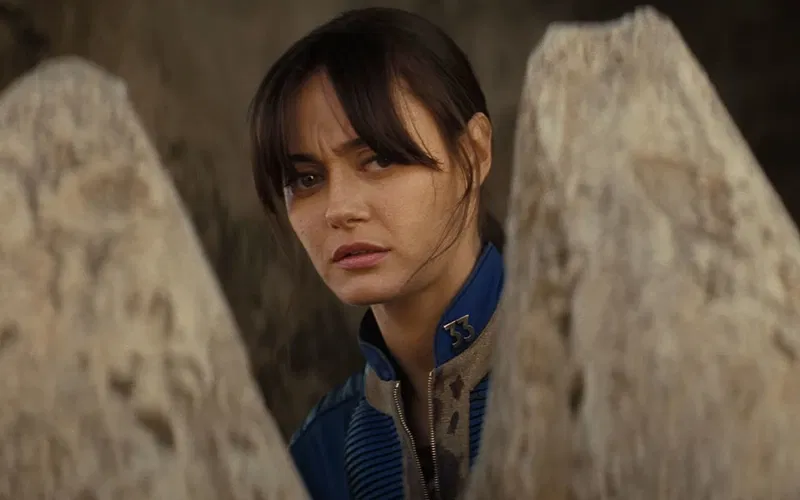
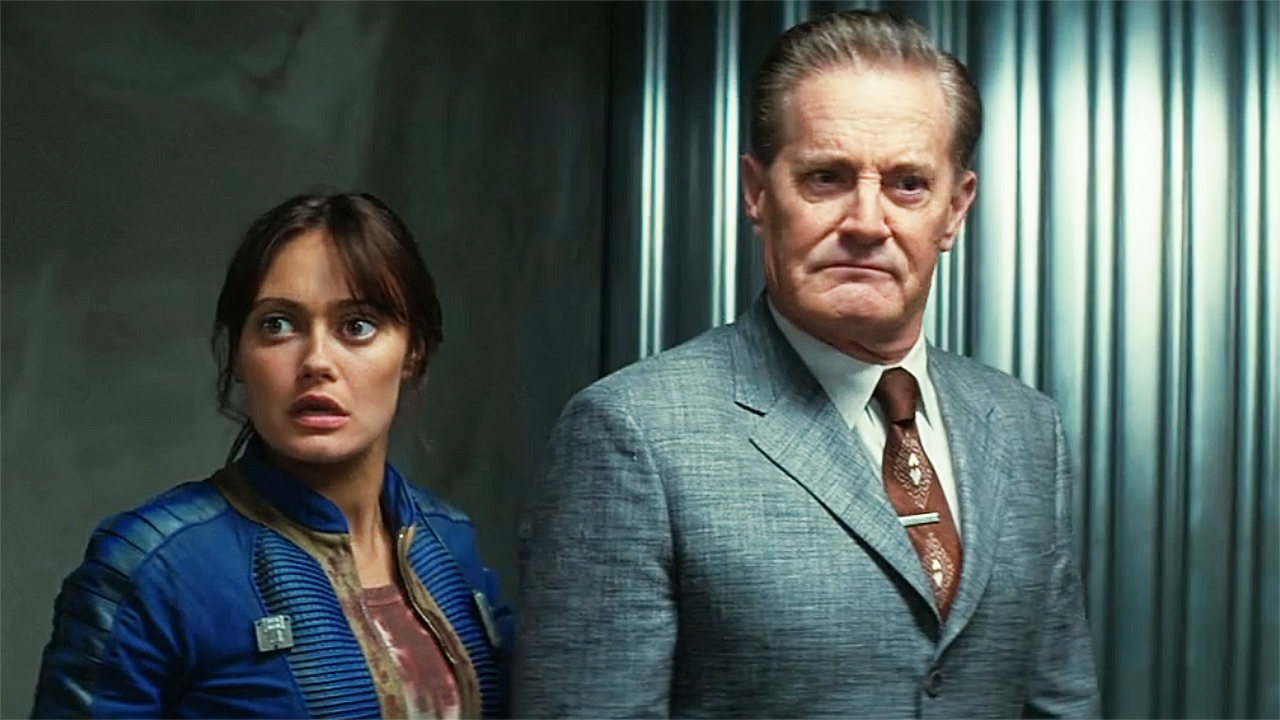
FALLOUT Season 2 Episode 7 Breakdown & Ending Explained | Review & New Vegas Game Easter Eggs


Welcome back to the wasteland, Vault Dwellers.

If you thought the earlier episodes were heavy, take a deep breath. Episode 7, "The Hand Off," didn’t just move the plot forward—it completely rewrote the rules of the game. We aren't just watching characters trek across a map anymore; we are watching the fate of the entire world hang by a thread. The stakes for that Cold Fusion tech just went from "important" to "terrifying," echoing all the way back to the pre-war politics that started this mess.

This episode felt like the deep breath before the plunge. Up until now, we’ve been piecing together the mystery of what happened. Now, the show has pivoted to the terrifying question of what happens next. From the gut-wrenching history of the Resource Wars to the desperate survival of 2297, this episode gave us everything. We got a harrowing look at the Canadian annexation, a triumphant (and honestly, kind of scary) return of major New Vegas icons, and an ending that sets us up for a brutal finale.

So, grab a Nuka-Cola Quantum, and let’s talk about it. Here is everything that hit me right in the feels during this game-changing hour.

The Cold Fusion Dilemma: Savior or Tyrant?

Let’s be real: the Cold Fusion isn’t just a battery. It’s the holy grail. It’s the difference between starving in the dirt and rebuilding civilization. In the Fallout universe, we’ve seen MacGuffins before—the Water Chip, the G.E.C.K., Project Purity—but Cold Fusion feels different. It represents the end of the scarcity that caused the Great War in the first place.

Seeing The Ghoul (Cooper Howard) in this episode was physically painful. Watching him struggle with that severe toll, barely clinging to life thanks to the very radiation that destroyed the world? It’s a tragic irony that just breaks your heart. He is literally fueled by the apocalypse. The makeup team deserves an award here; you can see the centuries of exhaustion etched into his face. Every cough, every stumble, reminds us that his immortality is a curse, not a gift. He isn't living; he is enduring.

When he comes face-to-face with Maximus, who’s holding the Cold Fusion, you can feel the weight of Cooper’s past crashing down on him. This isn’t just about survival; it’s about a choice he’s made before. It mirrors the classic Fallout faction dilemma: Do you trust the "good guy" (like the Brotherhood or the Minutemen) with ultimate power? Or do you realize that power turns everyone into a tyrant eventually?

Cooper looks at Maximus and sees a reflection of his younger self—an idealist in power armor who thinks he can fix the world if he just follows orders. Deep down, we know Cooper just wants to find his wife and daughter. That’s his North Star. But the path to them is a nightmare. He’s terrified that Maximus—young, idealistic, and naive—is about to make the same catastrophic mistake Cooper made 200 years ago. He knows that handing over a weapon of mass salvation to a militaristic order usually results in mass subjugation. And honestly? I’m terrified for him, too.

Inside the Vault: Peace by Lobotomy?

And then there’s Lucy. Her storyline took a psychological turn that gave me chills. She’s finally with her father, Hank, in the management vault, but something is wrong. The atmosphere in Vault 31 shifted from "mystery" to full-blown dystopian horror.

Hank’s justification for wiping out Shady Sands was horrifying enough—a cold, calculated decision to eliminate competition—but his solution for "peace" is somehow worse: The Brain Control Interface. The scene set to Nat King Cole’s "When You're Smiling" was a masterclass in creepiness. Seeing those workers, happy and productive only because they’ve been robbed of their memories and free will? It made my skin crawl. It reminded me of the worst Vault-Tec experiments, like the simulation pods in Vault 112.

Hank is trying to sell us on this twisted idea that trauma causes war, so if you remove the bad memories, you get peace. It’s the ultimate utilitarian nightmare: a perfect society where no one suffers because no one is really there. But like Lucy said, that’s not living. That’s just existing. Is a safe life worth it if you aren’t allowed to feel sadness? Is it worth it if you can't remember who you lost? Hank is building a monument to hollow happiness.

The moment that really got me was the driving lesson. In a world where cars don't even run, watching Hank try to simulate this "normal" father-daughter moment felt so manipulative. It highlighted the banality of his evil. He isn't cackling or twirling a mustache; he's just a dad who wants things to be "nice," even if he has to burn the real world down to build a fake one in his bunker. He’s rejecting the reality of the wasteland for a curated fantasy, forcing his daughter to play house in the middle of an apocalypse.

Steph’s Past: The Horror of "Little America"

I have to give a shout-out to the expanded backstory for Steph. Seeing the reality of the Canadian annexation was grim, but it added so much depth. We've read the terminal entries in the games about the US annexation of Canada to secure the Alaskan pipeline, but seeing it portrayed on screen was visceral.

The opening scene, where she’s saved by that explosion, gave me serious Fallout 4 Super Mutant Suicider vibes. But beyond the action, it was the tragedy of her life that stuck with me. She was a victim of imperialism back then, caught in the crossfire of the Resource Wars, and now she’s trapped in the Vault’s politics, clawing for power just to feel safe.

The environmental storytelling here was a love letter to the fans, packed with details that ground the show in the game's timeline:

  • The Baby Powder: Seeing that vintage Abilene bottle grounded the scene so well. It’s a "junk" item we’ve scrolled past in our Pip-Boys a thousand times, but here it represents the last shred of domestic normalcy in a war zone.

  • The Flag: Did you catch the 13 Commonwealths flag? That deep red logo felt like a visual metaphor for all the blood spilled to secure "Little America." It reminds us that the pre-war USA wasn't the country we know; it was a hungry empire devouring its neighbors to keep the lights on for a few more years.

  • The Pork and Beans: Watching her scavenge that familiar can was a stark reminder of the hunger she’s known her whole life. It bridges the gap between the starving refugee she was and the ruthless survivor she is now.

The New Vegas Connection: Oh My God, It’s Happening!

Okay, can we scream about this for a second? The New Vegas Strip.

When the camera panned over to the Strip, I think every fan’s heart skipped a beat. The production design was flawless—capturing that decayed glamour of the Mojave perfectly. Seeing the Atomic Wrangler and those posters for "Maxis the Magician" brought the nostalgia flooding back. It wasn't just a cameo; it was a promise.

The Return of Robert House

But the mic-drop moment? The connection to Mr. House.

Realizing that Cooper met with the powers-that-be (likely the Enclave or the shadow government) at McCarran Airport was huge. For New Vegas players, McCarran is iconic as the NCR headquarters, so seeing it in its pre-war glory was jarring. And seeing Clancy Brown as the "President"? Perfection. But the tragedy is realizing that Cooper gave them the Cold Fusion back then. He thought he was saving the world. He was so naive, trusting the suits to fix the mess they made.

And then, seeing House’s influence in the present day:

  • The Lucky 38: Looming over everything like a tombstone for the old world. It’s still standing, still watching.

  • The Securitrons: Seeing those robots (even if they were disabled) gave me goosebumps. The specific design—the tire treads, the bulky shoulders—was ripped straight from the game engine. Their inactivity is terrifying... it implies House is waiting for the right moment to boot them up.

  • The Snowglobe: The Hoover Dam snowglobe! A direct nod to our Courier days collecting souvenirs for the penthouse.

  • The Face: Seeing Mr. House’s green, digitized face on that monitor confirmed it. He’s still there. He’s been waiting 200 years to play his hand. "The House Always Wins" isn't just a catchphrase; it's a threat.

The Ending: History Repeats Itself

The title "The Hand Off" is heartbreaking because it refers to a mistake happening twice. It emphasizes the show's core theme: "War Never Changes."

In the past, Cooper handed the tech to the government, hoping for peace. It was his deal with the devil, and it cost him everything. He traded his integrity for a promise of safety that never came. In the present, we see Maximus and The Ghoul at the gates of the Lucky 38. Maximus wants to be the hero, but Cooper knows better now. He knows there are no "good guys" with that much power. He knows that whether it's the Enclave, the Brotherhood, or Vault-Tec, the organization always crushes the individual.

The shot of the "Little America" sign in the credits—now just a rusted memory in a wasteland—was a haunting reminder of what happens when you trade freedom for safety. It’s the visual punchline to the episode: the country Cooper tried to save is gone, leaving only the rust and the regret.

What Comes Next?

I’m genuinely anxious about the finale. The pieces are all on the board, and it looks like checkmate is coming.

  • Cooper: He’s reuniting with his family, but he’s sick. Is he going to turn feral right when he reaches them? That would be the ultimate tragedy—to find his wife and daughter but lose his mind in the same moment. A feral Cooper would be a heartbreaking end to the coolest character in the show.

  • Norm: He is getting ruthless in the Vault. Is he turning into his father? He’s solving the puzzle, but he’s losing his innocence. If he takes over Vault 31, does he become the jailer?

  • Lucy: She’s wearing that yellow dress, rejecting the Vault, and stepping up. She’s going to have to make the hard call about the Cold Fusion. She is the wild card now. Will she destroy the tech to stop the cycle, or try to use it to rebuild Shady Sands?

With Deathclaws loose, the Enclave watching from the shadows, and Mr. House back online, I don’t think any of us are ready for how this ends. The "Hand Off" wasn't just about the Cold Fusion; it was the show handling us off to a darker, deeper story.

What did you guys think of the Mr. House reveal? Am I the only one terrified that Cooper isn’t making it out of this season alive? Let me know in the comments!
Tuesday, January 27, 2026

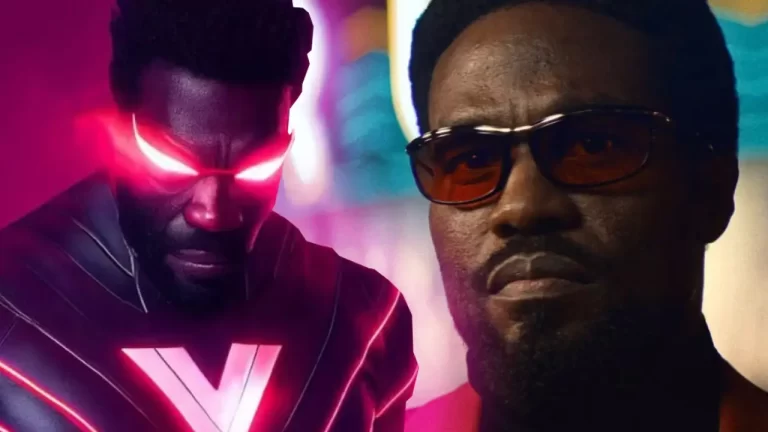
Marvel’s Wonder Man Ending Explained: The DODC, The Mutant Saga, and Simon’s MCU Future


Finally! Why the Wonder Man Finale Was Everything We Needed

Look, being a Marvel fan lately has been... a journey. And specifically regarding Wonder Man? It has been an absolute uphill battle to get this thing on our screens. We watched this project survive through the strikes, the production hell, and that massive internal shift at Marvel Studios. For a hot minute there, it felt like this show was going to be lost in the limbo of "what could have been."

But now that the credits have rolled on the miniseries? I am so glad they took their time.

What sounded on paper like a total mess—pairing Yaya Abdul-Mateen II’s serious, reluctant Simon with Ben Kingsley’s chaotic Trevor Slattery—turned out to be the heartbeat the MCU didn't even know it was missing. This wasn't just another CGI beat-'em-up. It was a genuine, messy, beautiful look at failure, fame, and trying to find redemption when the world just won't let you move on.

The finale left us with that incredible image of two wanted men blasting into the California sky to Harry Nilsson’s "Everybody’s Talkin'." It was a vibe. But now that the dust has settled, my brain is buzzing with questions. Where are they going? Is Simon actually a mutant? And does this mean we’re finally getting the West Coast Avengers?

Let’s geek out and break this down.

The Finale: Escaping the Machine

First off, can we talk about that needle drop? Opening with Phantom Planet’s "California" gave me such a sense of chaotic optimism, even though the situation was grim.

The betrayal by Agent Cleary hit hard. We remember him from No Way Home and Ms. Marvel, but here, he went full corporate villain. Watching him void Trevor’s immunity deal just because the set got destroyed was a punch to the gut. But it was necessary, because it forced Simon to stop pretending.

The whole series, Simon has been trying to split himself in two: "Simon the struggling actor" vs. "Wonder Man the hero." He refused to let them coexist. But breaking Trevor out of that DODC facility? That was the moment. He finally realized that being a hero isn't about the costume—it's about owning your mess.

The Lore Bomb: The coolest part for me was the forensics scene. Did you catch that? The debris wasn't melted; it was fused. Simon isn't just strong; he’s manipulating matter at an atomic level. That is a terrifying power upgrade, and I am here for it.

The Big Theory: Is Simon the MCU's First Protagonist Mutant?

Okay, put on your tin foil hats, because this is where it gets spicy. Since this was a "Marvel Spotlight" show, they didn't bog us down with heavy exposition. But if you were paying attention, the clues were screaming at us.

In the comics, Simon is an ionic energy experiment. But here? The show specifically points out that his powers kicked in during puberty. We got that flashback to the fire where he had zero smoke inhalation. His clothes burned, but his skin didn't.

This feels like a soft launch for the X-Men. Think about it. In mutant lore, powers almost always trigger during high-stress teenage years (like Rogue or Cyclops). Simon even mentions hiding his "bad side" from everyone but his family. If his powers are biological and tied to his emotions—rather than a super-soldier serum or a lab accident—Simon Williams might just be the first major mutant protagonist we’ve followed in this saga (aside from Ms. Marvel and Namor).

He’s not a guy learning to use a tool; he’s a guy learning to accept his DNA. That is pure X-Men storytelling.

The DODC Are Terrifying Now

Is it just me, or has the Department of Damage Control gone from "annoying bureaucrats" to "straight-up villains"?

The satire here is chilling. In Episode 3, they admit their prison is half-empty and they are facing budget cuts. That one line explains everything. They aren't hunting superpowered people to protect us; they are hunting them to justify their payroll.

It recontextualizes everything we saw in Ms. Marvel and She-Hulk. They are actively looking for "enhanced" targets to fill their cages so they can keep their military toys. By the end, Cleary looks at Simon not as a person, but as a billion-dollar defense contract waiting to be signed. If the Mutant Saga is coming, the government now has a financial incentive to hunt them. That is scary realistic.

Poor Trevor Slattery...

I laughed so hard at Ben Kingsley, but man, Trevor is in trouble.

To the world, he just publicly confessed to being a terrorist associate again. He flashed the Ten Rings logo on a global broadcast!

  • Problem 1: The Feds want him.

  • Problem 2: Xialing (Shang-Chi’s sister) runs the Ten Rings now. I doubt she’s going to be thrilled about a washed-up actor using her brand for a publicity stunt.

Since Destin Daniel Cretton (the Shang-Chi director) is a creator here, the DNA of that movie is all over this. I wouldn't be shocked if the real Ten Rings come looking for their "pound of flesh" next.

So, Where Did They Go?

The show ends with them flying off, technically still in California. This feels intentional. The MCU is clearly building a West Coast hub:

  • Shang-Chi is in San Francisco.

  • She-Hulk is in L.A.

  • Moon Knight is doing his thing.

  • White Vision is out there somewhere.

Are we looking at the West Coast Avengers? I hope so.

As for the big movies? I doubt we’ll see Simon in Avengers: Doomsday—it’s too crowded. But with Cretton directing Spider-Man 4, and given that film is likely street-level, there is a non-zero chance our boys make a cameo. Spidey dealing with vigilante laws while crossing paths with a fugitive Wonder Man? Yes, please

On a second watch, Wonder Man hits different. It wasn't the usual "save the world from the sky-beam" finale. It was intimate.

The bromance between Simon and Trevor was the heart of it all. It wasn't forged in war; it was forged in shared failure. Seeing two broken men find purpose in each other was surprisingly emotional. Simon isn't an Avenger yet, and that’s okay. He’s just a guy trying to do the right thing. Sometimes, two friends flying into the clouds is the only ending you need.

What did you guys think? Is Simon definitely a mutant, or am I reading too much into it? Let's argue in the comments!

Monday, January 26, 2026

A KNIGHT OF THE SEVEN KINGDOMS Episode 2 Breakdown & Ending Explained | Game Of Thrones Easter Eggs


Guys, we are so back in Westeros, but it feels... different, doesn't it? In the best possible way.

Look, I know A Knight of the Seven Kingdoms isn’t trying to be the political 4D chess match of Game of Thrones or the high-budget family trauma simulator of House of the Dragon. We aren't watching armies collide or dragons dance just yet. But honestly? It’s proving to be exactly the breath of fresh air we needed. This isn't a story about saving the world from ice zombies or wrestling for the Iron Throne; it's a story about getting your next meal and keeping your honor intact when you're hungry.

Episode 2 didn't just give us the most visceral, "I can feel the wood splintering" jousting scene we've seen in years—seriously, the sound design of those lances shattering felt like a punch to the gut—it dropped some massive lore bombs that made my inner book-nerd scream. The way they filmed the violence here wasn't glorious; it was terrifying. When Dunk watches the joust, you see the panic in his eyes. He realizes that this isn't a game; it’s a car crash on horseback.

But beyond the cool armor and fights, this episode just had so much heart. It left me with a grin on my face, even while it was breaking my heart a little bit. It perfectly balances the comedy of Dunk having absolutely no idea what he's doing—a true "fake it 'til you make it" icon—with the grim, unpolished reality of being poor in Westeros.

There is a lot to unpack here—from the ghost of the Blackfyre Rebellion to meeting the royal family in their "awkward phase." Let’s grab an ale (or an Arbor Gold if you're fancy) and break down the hidden details, the book deviations, and what that ending actually means for our boys Dunk and Egg.

The Truth About Ser Arlan (And Why It Hurts)

The episode opens with such a brilliant, painful contrast. We watch Dunk eulogizing his old master, Ser Arlan of Pennytree, painting this picture of a chivalrous legend. He’s standing there, desperate for just one lord to remember Arlan so he can compete, selling us this image of the perfect knight—a man of unshakeable honor who taught him everything he knows.

But then the show hits us with the reality check, and it hits hard.

The flashbacks tell a very different, very human story. We see Arlan "getting his end away" with a random villager and unceremoniously pissing in the bushes. It’s funny, sure, and it gets a laugh, but then the realization hits you: Arlan wasn't a hero from the songs. He never won big. He wasn't the Sword of the Morning. He was a survivor. He hoarded his coppers like a dragon hoards gold because he had to. And in the end, he didn't go out in a blaze of glory fighting for his King. He died of a chill.

This part really got to me. It highlights how terrifyingly fragile life is for the smallfolk here. In King's Landing, a Lord gets a Maester and milk of the poppy. Out here? Arlan covered up an infection, ignored the pain, and just... rotted away. No Maesters, no medicine, no dignity in the end. For a Hedge Knight, there is no retirement plan. You ride until you drop, and then you're just a body by the side of the road.

But here’s the beautiful, aching part: even though Arlan was just a regular guy, flawed and gritty, he was a saint compared to the highborn lords we meet later. He took a kid from Flea Bottom—a place where life is cheap—gave him a code, and tried to be decent. Hearing Arlan sing that song—"I Hooo, I Hooo, Come on Dunk!"—brought a legitimate tear to my eye. It’s straight from the books, a silly little chant that serves as the emotional anchor for Dunk. It cements why Dunk is fighting so hard. He’s not doing it for glory or gold; he’s doing it to prove that the old man’s life mattered.

Lore Alert: Why Everyone is Stressing About "Redgrass"

Okay, for my non-book readers, you might have missed a massive detail regarding House Florent, the murmurs in the crowd, and the "Redgrass Field."

When Dunk is pleading his case to the stewards, he mentions Arlan fought at Redgrass. This is a huge deal. That battle ended the First Blackfyre Rebellion, a civil war that tore the realm apart just a few decades ago. It all started because King Aegon IV (absolute contender for 'Worst Dad in Westeros History') legitimized all his bastards on his deathbed. But he didn't stop there. He gave the Conqueror’s sword, Blackfyre, to his bastard son Daemon—a warrior—instead of his scholarly, legitimate heir, Daeron.

Sound familiar? It’s the House of the Dragon "symbols of legitimacy" theme all over again. The sword is the symbol of the King, so half the realm thought Daemon should rule.

The tension in this episode? It’s thick because the wounds from that war haven't healed. It’s like the American Civil War or the Jacobite risings—it wasn't that long ago, and people are still bitter. When we hear about Leo "Longthorn" Tyrell, we’re hearing about living legends who picked sides. The question hanging over every conversation is: "Who did you fight for? The Red Dragon or the Black?" Arlan’s trauma from that battle—where his nephew died—explains so much about his silence. It wasn't a glory day for him; it was a graveyard where he lost his family. Dunk is walking into a political minefield he doesn't even understand.

Meeting the Targaryens (Without the Dragons)

Seeing the Targaryens at Ashford was fascinating because... well, they seem so normal. These aren't the gods of HotD who can burn a city if they wake up on the wrong side of the bed. They’ve lost the dragons. They are vulnerable. They actually have to be politicians now because they can't just say "Dracarys" to solve their problems.

We get three very different flavors of Dragon here, showing the fracturing of the dynasty:

  • Baelor Breakspear: Can we just appreciate this man? He’s the Hand of the King and honestly the best ruler Westeros never got. He radiates competence. Did you catch his pin? It’s silver, not gold like Tywin’s. It feels like a symbol of his humility. He remembers Arlan not as a warrior, but as a guy he broke a lance against. He sees people, not titles. In a world of arrogance, Baelor is the steady hand.

  • Maekar: Baelor’s brother is just... prickly. He’s proud, angry, and hates being at this "miserable circus." He represents the old entitlement—he thinks the world owes him respect just because of his last name. He's the classic "fourth son" syndrome—talented, but overshadowed and bitter about it.

  • Aerion Brightflame: Oh, I hate him already. Finn Bennett is doing an incredible job making Aerion the absolute worst. He embodies that "Targaryen Madness," but it’s not just madness; it’s performative cruelty. He hurts people because he finds it funny. The way he treats Dunk ("I am not a stable boy, my lord") and callously abandons his horse? It makes your blood boil. He is the perfect foil to Dunk’s kindness. Dunk protects the weak; Aerion tramples them.

Did You Catch These Details?

The showrunners are clearly super-fans because the Easter eggs were on point:

  • The Kingsguard Armor: Finally! We get the intricate white scales and the dragon-winged helmets! This is so much closer to the book descriptions than the Game of Thrones armor. They look mythical, almost unearthly. It sells the idea that these guys are the elite of the elite.

  • The "Crabber" Moment: I laughed out loud when Dunk assumed the "Crabber" knight (Ser Clement) was poor like him. Dunk is so pure; he hears "crabber" and thinks "fisherman," not realizing the guy owns a shipping empire and is probably richer than the King. It’s a harsh, hilarious lesson in class difference—Dunk really is a fish out of water. He doesn't speak the language of money.

  • Lyonel Baratheon (The Laughing Storm): Total fan favorite instantly. He’s got that "rugby lad" energy—loves a fight, loves a drink, probably yells at the TV during sports. When he talks about the "spirit of Robert" (metaphorically), you feel it. Seeing him rely on Dunk’s brute strength in the game was a great foreshadowing of their friendship. They’re kindred spirits—men who prefer a fistfight to a debate.

  • Tanselle and the Puppets: The puppet show wasn't just filler. It was retelling the story of Florian the Fool, a nobody who won the heart of a princess. It mirrors Dunk's own journey. He's the "fool" in the high court, but his heart is truer than any knight there.

The Horse Scene: Who Else Cried?

Okay, we need to talk about Dunk selling his horse.

This was the Rocky moment of the episode. You know, when Rocky has to sell his dog because he's broke? It broke me. In the books, Arlan always said, "Never love a horse, they die." But Arlan never listened to his own advice, and neither does Dunk. He named them "Thunder" and "Sweetfoot"—he loved them.

Watching Dunk feed his horse that last apple before walking away to buy armor... devastating. It really drives home the financial struggle here. One bad joust, one broken piece of armor, and Dunk is destitute. He isn't risking his pride; he's risking his livelihood. If he loses, he starves. The stakes feel incredibly real because they are so small and personal.

The Ending: The Worst Kept Secret in Westeros

Warning: Spoilers ahead if you really don't know who "Egg" is!

The show has been dropping breadcrumbs everywhere. "Egg" knows way too much about heraldry. He’s sassy. He has that arrogance of someone who has never been told "no" in his life. And yeah, the bald head is hiding that tell-tale silver-gold Valyrian hair.

The big reveal is that Egg is Prince Aegon Targaryen, Maekar’s missing son.

This changes everything. Dunk isn't just babysitting a squire; he is raising a future King. This is the origin story of Aegon the Unlikely. Think about the implications: a future King of Westeros is sleeping in the dirt, eating stew with the smallfolk, and seeing the world through the eyes of the poor. Traveling with Dunk is going to teach this kid what it means to be hungry, cold, and powerless—something his cruel brother Aerion will never understand. This is the education that will make him the "King of the Smallfolk" down the line.

What’s Next?

We are barreling toward a massive confrontation. Aerion is out of control, and if the books are any indication, things are about to get violent. We’ve got the pieces on the board: Lyonel’s respect, Baelor’s fairness, and Dunk’s protective nature.

Episode 2 proved that this show doesn't need dragons to be compelling. It just needs a "thick as a castle wall" Hedge Knight with a good heart trying to survive in a world of vipers. I, for one, cannot wait for next week.

What did you guys think? Did the Ser Arlan backstory hit you as hard as it hit me? Let’s discuss in the comments!

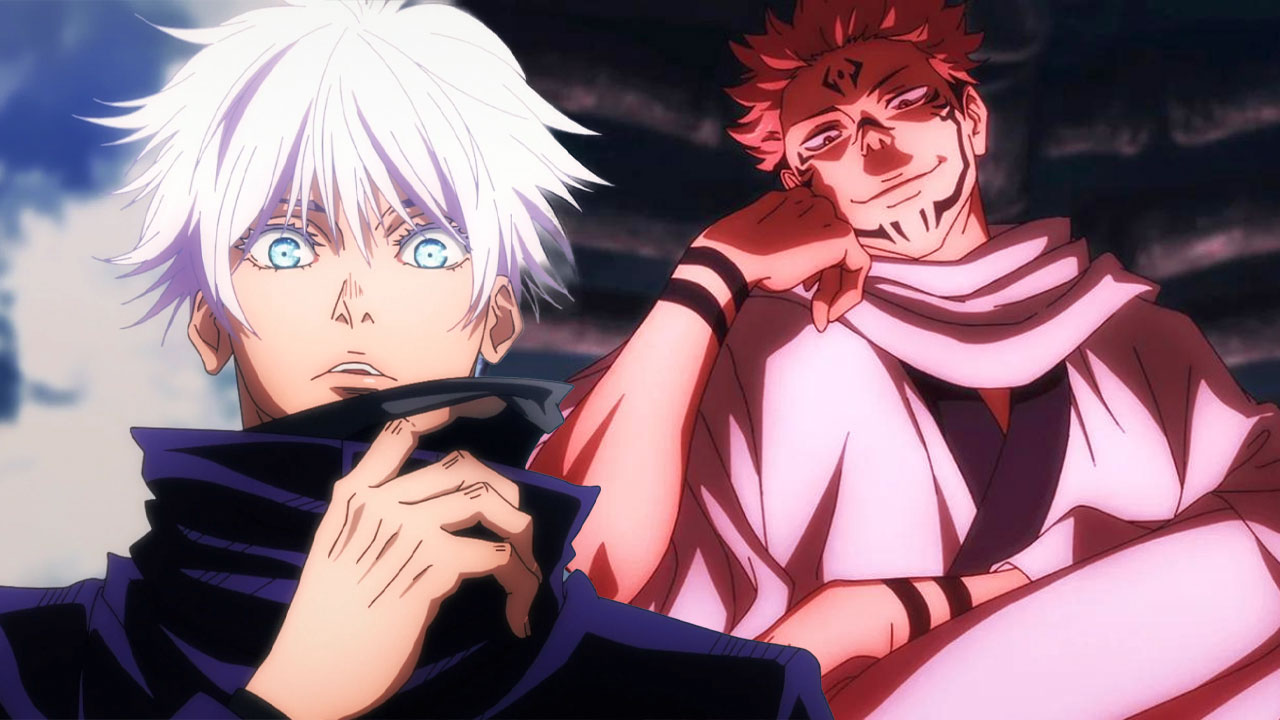
The Ultimate Jujutsu Kaisen Recap: Everything You Must Know Before Season 3


Look, I’m going to be real with you—I don’t think any of us have fully processed the Shibuya Incident. If you’re still staring at the ceiling at 3 AM thinking about the "You are my Special" intro playing over absolute carnage, you are not alone. We all saw the memes, but the actual episodes? They were a collective fever dream of grief.

With Jujutsu Kaisen Season 3 looming on the horizon, we aren't just returning to a cool action show. We are stepping into a funeral. The fun "school life" vibes of Season 1, where the biggest worry was Yuji’s training movies? Dead and buried. We’ve shifted genres entirely, moving from a shonen battle anime to a full-blown post-apocalyptic survival horror.

If you’re feeling breathless, confused, or just heartbroken, that’s exactly where Gege Akutami wants you. But before we dive into the madness of the Culling Game, we need to take a deep breath and look back at the bloody, tragic road that brought us here. We need to understand why the world broke, so we can prepare for how it’s about to shatter.

1. The World is Built on Bad Vibes

To understand why everything sucks right now, you have to remember how this world works. In JJK, our own bad vibes—fear, anger, the stress of a 9-to-5 job—leak out of ordinary "monkeys" (non-sorcerers) and form Curses. These aren't just ghosts; they are sentient monsters that slaughter thousands of people a year, haunting the shadows of Japan like a literal physical manifestation of our collective anxiety.

The only thing standing between us and them? Jujutsu Sorcerers. But let's be honest, their life is a nightmare. As Nanami (RIP to the goat) taught us, being a sorcerer is just a "marathon of death" where the prize is seeing your friends die before you inevitably bite it yourself.

And the worst part? The enemies aren't just the monsters under the bed. The "Higher-Ups"—those dusty, traditionalist elders hiding behind paper screens—are just as corrupt and self-serving as the curses. They’d rather execute a teenager like Yuji or Yuta than lose an ounce of their political grip. The students are stuck in a three-way war: fighting the monsters trying to eat them, the elders trying to control them, and the crushing weight of their own trauma.

2. Where It All Went Wrong: The Breakup That Ruined the World

Arc: Hidden Inventory (The Past)

Everything happening right now traces back to 2006. Not to Yuji, but to the tragic bromance of Satoru Gojo and Suguru Geto. This wasn't just a flashback; it was the origin story of the end of the world.

Back then, they were the "Strongest Duo." They were unstoppable, arrogant teenagers having the time of their lives, thinking they were the kings of the world. But then came the mission to protect the Star Plasma Vessel, Riko Amanai. She was just a girl who wanted to live, destined to be consumed by the immortal entity, Master Tengen. It was supposed to be a simple bodyguard gig.

Enter the Sorcerer Killer: Toji Fushiguro

Then Toji Fushiguro walked in and changed everything. This man—born with zero cursed energy due to a "Heavenly Restriction"—exchanged magic for terrifying, superhuman physical speed and strength. He proved that even the "Strongest" could bleed. He didn't just kill Riko; he systematically dismantled Gojo and Geto’s worldview.

The fallout was a double-edged sword of tragedy. Gojo had a near-death experience, mastered Reverse Cursed Technique, and ascended to godhood, becoming "The Honored One." But Geto? He was left behind in the dirt. Watching "monkeys" (the religious cultists) clap for the death of a young girl broke his soul.

Gojo became a god who could save anyone but his best friend. Geto became a genocidal villain who decided the only way to stop Curses was to kill every person who couldn't use sorcery. It’s the ultimate heartbreak: the man Gojo loved most became the monster he eventually had to kill.

3. The Power of Love (and Obsession)

Arc: JJK 0 (The Movie)

Before Yuji Itadori ever set foot in Jujutsu High, there was Yuta Okkotsu. If you thought Yuji had it rough, remember Yuta was a nervous wreck haunted by the Special Grade Vengeful Spirit of his childhood sweetheart, Rika Orimoto. He didn't just have a ghost; he had a nuclear-level monster attached to him because he couldn't let go of her death.

This movie gave us the line that defines the series: "Love is the most twisted curse of all." We saw Yuta go from a suicidal kid to a warrior who realized he wasn't being haunted by Rika—he was accidentally binding her to him with his own massive cursed energy.

The climax is a punch to the gut. Suguru Geto launched the "Night Parade of 100 Demons" as a massive distraction to steal Rika’s power. In the end, Yuta and Rika’s bond defeated him, and Gojo had to do the unthinkable: execute his former best friend with his own hands in a dark alleyway. But here is the "butterfly effect" mistake: Gojo’s sentimentality won out. He didn't let the body get disposed of properly. That moment of grief allowed the ancient brain-hopping sorcerer Kenjaku to hijack Geto’s corpse, setting the stage for the Shibuya massacre.

4. The Boy Who Sought a "Proper Death"

Arc: Season 1

In the present day, we finally meet our sunshine boy, Yuji Itadori. He’s a freak of nature with insane physical stats who swallows a rotting finger to save his friends, becoming the vessel for Ryomen Sukuna, the King of Curses. Unlike every other vessel in history, Yuji can suppress him, which is the only reason Gojo managed to get him a "delayed execution."

Yuji’s journey is fueled by his grandfather’s dying words: "Help people so that when you die, you’re surrounded by others." He wants a "proper death." But as we’ve seen, the world of Jujutsu is allergic to "proper." It deals in the gruesome, the lonely, and the profoundly unfair.

Along with Megumi Fushiguro (Toji’s son!) and the absolute queen Nobara Kugisaki, the trio faced the Disaster Curses. These weren't just random spirits; they were born from humanity's fear of nature: the forest (Hanami), the volcano (Jogo), the ocean (Dagon), and—the worst of all—the fear of other humans (Mahito). Mahito became Yuji’s true arch-nemesis. By transfiguring and murdering Yuji’s friend Junpei right in front of him, Mahito taught Yuji that some things can't be saved. You don't "save" a curse; you exterminate it.

5. The Shibuya Incident: The Night the Lights Went Out

Arc: Season 2

This is the event that redefined the word "trauma" for anime fans. It was a meticulously planned trap by Kenjaku to remove Satoru Gojo from the board. Why? Because as long as Gojo exists, the villains can't win. He is the balance of the world.

The Sealing of the Symbol of Peace

Gojo is so powerful that even the strongest curses couldn't touch him. So, they used the one thing he cared about against him: humans. By trapping thousands of civilians in the Shibuya subway and using them as shields, they forced Gojo into a corner. He used a 0.2-second Domain Expansion—a feat of genius—to save them, but it left him exhausted for just a second. That was all Kenjaku needed to activate the Prison Realm.

When the box closed and Gojo disappeared, the safety net of the entire world vanished.

The Butcher's Bill (Get the Tissues)

The fallout was a sequence of nightmares that broke Yuji, and us, piece by piece:

  • Nanami Kento: Our favorite salaryman survived a volcano and a horde of monsters, only to be executed by Mahito in a final, quiet moment of grace. "You've got it from here," he told Yuji. I don’t think any of us are over it.

  • Nobara Kugisaki: She went out like a boss, but Mahito’s "Idle Transfiguration" is a cruel power. Seeing her face explode while Yuji watched was the moment the series' "hope" truly died.

  • Sukuna’s Rampage: After being force-fed 10 fingers while Yuji was unconscious, Sukuna took over. He didn't just fight; he erased a city block. He used his Domain Expansion to turn thousands of innocent people into dust just to spite Yuji.

Yuji woke up in the middle of a mass grave, realizing his own hands—the hands he wanted to use to help people—had just committed mass murder.

6. The Future is Bleak: Welcome to the Culling Game

Setup for Season 3

As Shibuya ends, the "Golden Age of Sorcery" returns, and it’s a living hell. Kenjaku didn't just want to seal Gojo; he wanted to force humanity to "evolve" into something monstrous by merging them with Master Tengen.

The New World Order

The Jujutsu Higher-Ups have used the chaos to stage a coup. They’ve declared Gojo an accomplice in Shibuya (pure politics!), sentenced Principal Yaga to death, and—most terrifyingly—appointed Yuta Okkotsu to find and kill Yuji Itadori. The two protagonists are now on a collision course.

Kenjaku has also activated the Culling Game. Imagine The Hunger Games but with ancient sorcerers and cursed techniques. Across Japan, ten massive "colonies" have been erected. Thousands of people—some newly awakened, some possessed by ancient sorcerers from 1,000 years ago—are forced to kill each other for points. If they refuse to play, they die.

What to Expect in Season 3

Season 3 will pick up with the Extermination Arc.

  • Yuji is a hunted man, a "vessel" whose execution is now top priority.

  • Megumi is trying to navigate the madness to save his sister, Tsumiki, who has been dragged into the games.

  • The Fights: Get ready for "High-IQ" battles. The Culling Game has complex rules, and the sorcerers coming out of the woodwork have abilities that make Season 1 look like child's play.

The "Jujutsu High" we knew is a smoking ruin. Japan is a wasteland. Our only hope is locked in a cube at the bottom of the ocean. Are you ready for the bloodiest, most complex, and most hype arc of the series?

If this recap helped you piece together the shattered remains of your heart after Shibuya, share it with your fellow sorcerers. We’re going to need each other to survive Season 3. Keep your cursed energy sharp—the games are about to begin.

Saturday, January 24, 2026

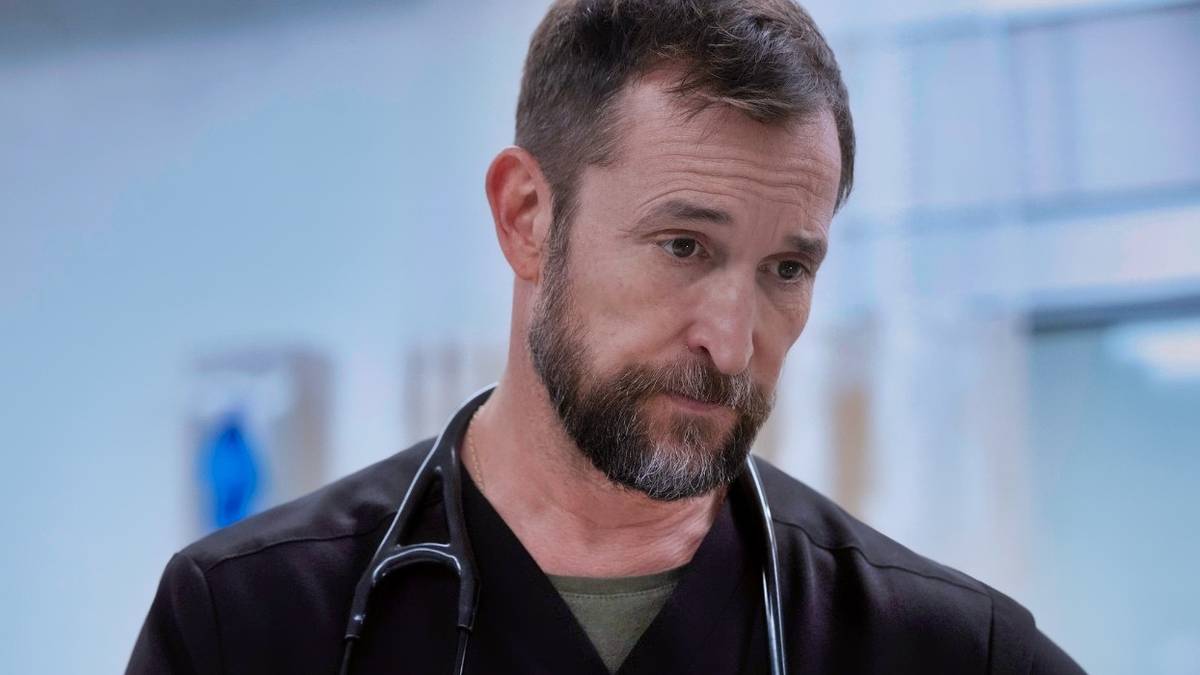
The Pitt Season 2, Episode 3 Breakdown: Relationships, Recklessness, and Real Pittsburgh History


If you thought the first two hours of The Pitt this season were a lot to process, hour three just turned the dial up to eleven. Seriously, is everyone okay? Because I am not. We are officially in the "no-chill" zone of the season, and I am here for every single second of it.

HBO just dropped the news that viewership has basically doubled since last year, and honestly? It’s so obvious why. This episode felt less like a medical drama and more like a high-stakes thriller. That’s probably because it was directed by Uta Briesewitz. If you’ve seen Severance, Stranger Things, or Black Mirror, you felt her "fingerprints" all over this—that creeping sense of "something is about to go horribly wrong" lurking behind every corner of the ER. She has this incredible way of making the hospital hallways feel claustrophobic even when they’re empty, and chaotic when they're full.

But the real MVP? Noah Wyle. He wrote this one himself (his third for the series), and you can tell. When the lead actor picks up the pen, you know we’re getting the "soul" of the characters. This wasn't just about blood and guts; it was a masterclass in relationships—husbands and wives, fathers and children, and even the complicated, messy dynamics of ex-spouses. It felt personal, raw, and deeply human.

Robbie vs. Dr. Al-Hashimi: The Passing of the Torch? 🔦

The episode kicks off with Jackson Davis—that poor college kid—screaming as he’s wheeled in after being tased. This whole plot felt like a pressure cooker for the friction between Robbie and Al-Hashimi that has been bubbling all season.

They are fundamentally different doctors operating on opposite ends of the spectrum. Robbie is the maverick we love (and fear for) who trusts his gut and isn't afraid to break a rule to save a life. Al-Hashimi is the "by-the-book" anchor, prioritizing safety and protocol above all else. Seeing Robbie constantly overrule her felt heavy this time. With his motorcycle sabbatical looming, he’s has to let go, but he clearly doesn't know how. It’s like watching a dad try to hand over the car keys while his foot is still ghost-pressing the brake. The subtext is screaming at us: he needs to start trusting her because soon, she’s going to be the one making the calls when he's gone. If he doesn't learn to respect her style now, the transition is going to be a disaster.

That Security Guard... Ugh. 😡

Can we talk about Tony Chinchillo for a second? The campus guard who tased Jackson? The writers did a great job making us hate him instantly. He’s sitting there with a tiny head wound, spending his time demonizing the patient, calling a library a "junkie jungle," and trying to "cop-talk" with the real police about working the front lines.

The writing here was so sharp—the cop immediately shut him down with a dry, "Uh, you're talking about the campus library." The payoff when the tox screen came back clean? Chef’s kiss. The guard was so certain the kid was on meth just because he was acting "crazy," but the bias was all his. This misdirection set up a much sadder medical reality, but seeing Chinchillo realize he's in serious hot water for tasing an innocent, sick student in the back was the highlight of my morning.

The Three Couples: My Heart Can’t Take This 💔

Noah Wyle really went for the jugular with these three parallel storylines, showing us relationships in three very different stages of crisis.

  1. The Yees & The Motorcycle: We all saw this coming, right? Robbie’s reckless riding was always going to manifest in a patient eventually. Mark Yee comes in after a crash—no helmet, just like Robbie—and we’re all thinking he’s paralyzed. The medical twist (Hypokalemic Periodic Paralysis) felt like a huge relief... until it didn't. When Nancy collapsed with that ruptured spleen? I actually gasped. She was the one "uninjured" person in the room, screaming for her husband, while her own body was failing internally. That video apology Mark recorded with Dana's help? "I was so wrong, and I'm sorry about all of it." Consider me a puddle on the floor. It’s a brutal reminder: don’t leave things unsaid, because you never know when a morning fight might be your last conversation.

  2. The "Abusive" Dad: This one hurt because the show played with our own biases. We were all convinced Benny was abusing his daughter, Kylie. He was aggressive, he blew up at security, and he fit the "profile" perfectly. But when the diagnosis came back as ITP (an autoimmune bleeding disorder), the realization hit hard. Benny isn't a monster; he’s a terrified father with a short fuse whose daughter was bruising because her own immune system was attacking her. But the damage of the accusation was done—Gina leaving him with a cold "Happy Independence Day" felt like a finality he might not recover from. It was a tough lesson for Dr. Santos about jumping to conclusions.

  3. The Exes (Gretchen is back!): Seeing Amanda Schull (Suits and Center Stage fans, stand up!) was such a treat. She played Mr. Williams' ex-wife, and their scene together was devastating. When we found out his "personality change" was actually a 4cm mass in his frontal lobe, it reframed their entire history. Her question to the doctors was the most heartbreaking line of the night: "Could that mass have been there for a while? Could it be responsible for how much you changed?" Imagine the weight of that. She didn't divorce a jerk; she divorced a sick man who was literally losing his "self" to a tumor.

The Heart of Pittsburgh: Tree of Life 🕊️

One thing I love about The Pitt is how it actually lives in Pittsburgh. It doesn't just use the city as a backdrop; it honors its history. The storyline with Yana Kovalenko—the woman who dropped her samovar because the fireworks sounded like gunfire—was so grounded and respectful.

When she talked about her PTSD from the 2018 Tree of Life shooting, it felt so real. The fireworks mimic the sound of gunfire, a reality many survivors deal with every holiday. That beautiful moment where she connects with Robbie (who is also Jewish) was so quiet and powerful. And her exchange with Perla, a Muslim nurse, was the soul of the episode. Yana mentioning how the Muslim community raised thousands of dollars for the synagogue after the tragedy is a real-life fact. It’s a touching reminder of the city's spirit: "Remember, Rebuild, Renew."

The "Cool Stuff" & Easter Eggs 🥚

  • Gross-out Alert: Remember the maggots from last week? Turns out they were wax worms! The prop master used them because they’re cleaner, bigger for the camera, and they don't bite. They even used silicone ones for the actual removal to keep the bugs safe. Science!

  • Zambelli Fireworks: Love the history lesson from Louie about Antonio Zambelli. It’s a real family company founded in 1893 that made Pittsburgh the "fireworks capital of America."

  • The "Hanson Pit Crew": Did anyone catch that the grandfather, Harlan, was played by Sam Hennings? He actually appeared in the original ER back in 2003! Such a cool "full circle" moment for Noah Wyle fans.

  • Fatherhood B-Plot: Langdon and Donnie helping the kid with beads up his nose was the levity we needed. Langdon quoting Irish poet John O'Donoghue’s To Bless the Space Between Us was a perfect moment for his redemption arc.

Theories & Things That Are Keeping Me Up at Night 🤔

  1. Jackson Davis: If it wasn't drugs, I'm betting it's Schizophrenia. The age of onset is typically late teens/early 20s, and high-stress situations (like finals) are classic triggers. My heart breaks for that kid; he went from studying in a library to a psychiatric hold in sixty minutes.

  2. Is Louie in Trouble?: Why are they giving him so much backstory and sweetness lately? In TV logic, when a recurring character starts giving history lessons and having sentimental moments, it’s often a setup for a tragic exit. I’m protecting Louie at all costs—if anything happens to him, we riot.

  3. The Code Black: The episode ends with Westbridge ER closing due to an "internal disaster." Ahmad is taking bets, but I’m thinking Cyberattack. The season trailer hinted at a massive IT failure, and given real-world events lately, it feels plausible. Imagine the ER going "analog" just as Robbie is trying to walk out the door. He’s not getting that motorcycle trip anytime soon; he’s going to be trapped in the chaos.

  4. Is Javadi "Dr. J"?: The "Super Glue Eyelash Lady" asked for a specific doctor she saw online. The consensus is that Javadi is running a secret medical TikTok as "Dr. J." While posting about patients is a huge HIPAA violation, she’s clearly social media savvy. This is going to blow up in her face, isn't it?

What did you guys think? Did you cry as much as I did during the Yee's storyline? Are we worried about the "Code Black" and what it means for Robbie's sabbatical? Drop your theories below—I need to obsess over this with someone! 🎆🚑

Friday, January 23, 2026

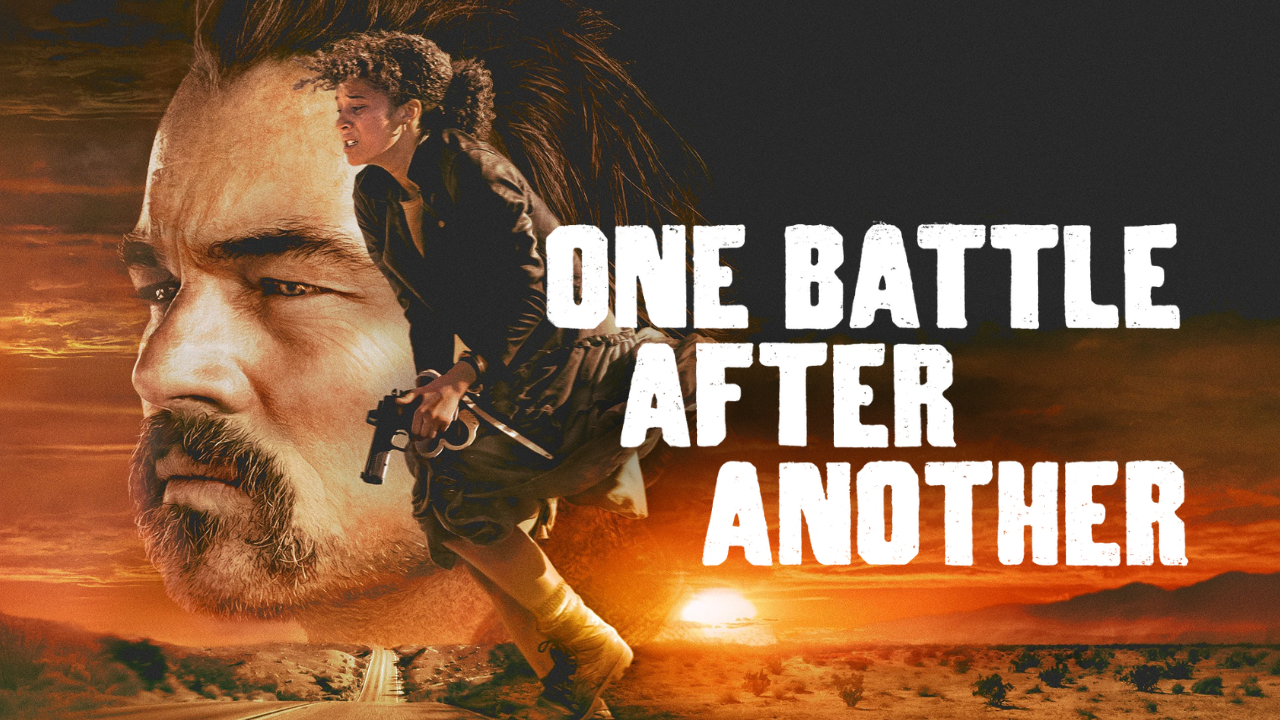
ONE BATTLE AFTER ANOTHER Breakdown & Analysis: Every Detail You Missed!


Listen, every few years, a movie comes along that doesn't just sit there—it haunts you. It demands you grab a notebook, a flashlight, and start pausing the frame every three seconds. Paul Thomas Anderson’s One Battle After Another isn't just a 2025 "award winner" to me. It’s an obsession.

I know, I know—it was a massive year for movies. We had Nolan’s Oppenheimer, Coogler’s Sinners, and Rian Johnson’s Wake Up Dead Man. All heavy hitters. But PTA? He’s playing a different game entirely. For my money, this is the best film of the year, hands down. It’s a dense, beautiful, frustrating puzzle box that rewards you for paying attention. If you watched it once and thought it was just a high-stakes thriller, you missed the forest for the trees.

I’ve been living and breathing this film, dissecting it frame by frame, and I need to walk you through what’s actually happening in this revolutionary masterpiece.

The Opening: That Otay Mesa Chill

The movie kicks off with a visual that honestly gave me goosebumps. Teyana Taylor (as Providia Beverly Hills) is walking an overpass, head down, black hat pulled low. She’s scoping out the Otay Mesa Immigrant Detention Center.

Here’s the thing: Otay Mesa is a real place. It’s a grim, double-fenced reality on the US-Mexico border near San Diego. By starting there, PTA isn't just giving us "cool scenery"—he's grounding this nightmare in our world. It feels like a documentary for a second, and that’s intentional. He wants you to feel the heat and the hopelessness of the facility before the action even starts.

And that hat? Pay attention. We find out later it belongs to the villain, Captain Lockjaw. When Providia puts it on, it’s a total power move. She’s literally wearing the authority of her oppressor, turning his own "uniform" into her camouflage. She’s part of the "French 75," which sounds like a cocktail (and it is), but it’s named after the WWI field gun that changed warfare forever. It was a weapon of rapid-fire revolution, much like the group itself.

PTA clearly did his homework here. He’s leaning hard into the history of groups like the Weather Underground. If you want to go down a rabbit hole, look up Days of Rage by Brian Burrough—this movie is basically a spiritual visualization of that era, transposed into a frighteningly realistic near-future where political dissent is treated as high treason.

The Pynchon Connection: For the Literati

If you’re a Thomas Pynchon fan like I am, your brain probably exploded seeing "Providia Beverly Hills." That is such a Pynchon name. This film is essentially a massive, neon-soaked love letter to Pynchon’s Vineland.

In the book, we have Frenesi Gates, a 60s radical turned snitch. In the movie, we have Providia. But PTA flips the script on the racial dynamics, making it feel much more urgent for 2025. Even the name "Providia" hints at "perfidy"—betrayal. It’s a massive "I see what you did there" moment for her eventual role as a state's witness. PTA strips away some of Pynchon’s whimsy and replaces it with a hard-edged, militant grit. Where the book had the "College of the Surf," the film gives us the French 75’s tactical bunkers. It’s Pynchon, but with the safety off.

Leo, The "Rocket Man"

Can we talk about Leonardo DiCaprio? This is career-best stuff. He plays Pat Calhoun, aka "Ghetto," aka "Rocket Man." That nickname is another deep-cut reference to the protagonist Tyrone Slothrop in Pynchon's Gravity’s Rainbow, further cementing the literary DNA of the script.

Pat is an explosives expert, but look at his face in the opening act. He’s terrified. He asks his comrade Perfidio what his explosives will be used for because he doesn’t want blood on his hands. He’s reassured that it’s just a "show" to blind traffic and delay backup, but his anxiety sets the tone for a character trapped by his own lethal skill set. He’s a pacifist forced into being a demolitionist, and Leo plays that internal friction perfectly.

And the cast! It’s basically a music festival with an acting problem:

  • Alana Haim as "Mae West" (PTA’s muse at this point). She brings this grounded, 70s-style naturalism that keeps the high-concept plot feeling human.

  • Wood Harris (Avon Barksdale himself!) as Laredo, the tactical lead. When he talks, the movie slows down to listen.

  • Jungle Pussy firing celebratory bursts out the window—she embodies the chaotic, "burn it all down" energy of the French 75.

  • DeAndre codenamed "Lady Champagne," tying back to that cocktail/weaponry duality.

Lockjaw: The Villain We Love to Hate

Sean Penn’s Captain Steven Lockjaw is terrifying. He’s not just a cop; he’s an ideological predator. He functions as the Javert to Pat’s Jean Valjean—a dogged, performative lawman chasing a ghost.

The dynamic between Lockjaw and Providia is disturbingly charged with sexual politics. When she takes his hat and gun in the flashbacks, it’s a moment of total emasculation. It dishevels him, yet you can tell it excites him. It’s a complex, "Dom/Sub" psychological game that defines their interactions.

The scariest detail? He gets the "Bedford Forrest Medal of Honor." Naming a commendation after the founder of the KKK? PTA is telling us exactly what kind of government we're looking at here: white supremacy has been fully institutionalized and celebrated. It makes the "French 75" seem less like terrorists and more like a desperate immune response.

Visuals and Sound: A Cinematic Symphony

When Pat lights those explosives, and they arc over the camp like fireworks? I swear I saw a nod to the fireworks scene in Titanic. It’s a visual shorthand to remind us of the weight of Pat's decision—this is the moment he alters his destiny.

The score by Jonny Greenwood? Essential. It’s operatic, dissonant, and it feels like a panic attack set to strings. Greenwood's music courses through the breakout sequence, elevating the chaos into something almost religious. It perfectly mirrors Pat’s internal conflict—he’s torn between his revolutionary ideals and his desperate desire for a peaceful life that probably doesn't exist anymore.

The Politics of a Fictional America

The film is set in a fictionalized US, but honestly, it feels less fictional by the day. We see Providia calling in a bomb threat to the office of a "Senator Wilson," who sponsored a national abortion ban. This context adds a layer of desperation to Providia's pregnancy later in the film; in a world where choice is removed, her very body becomes a political battleground.

The line "Revolutionary violence is the only way" is lifted directly from a 1970 Weather Underground communiqué. But PTA doesn't shy away from the moral ambiguity. These people aren't saints; they’re blowing up grid towers and empty offices. They emphasize that they detonate "after hours" because they target infrastructure, not human life—a distinction that gets thinner and thinner as the film progresses.

16 Years Later: The Fallout

When the movie jumps forward, we meet Willa (played by newcomer Chase Infinity). Her name is a pop-culture pastiche, referencing Chase Meridian from Batman Forever and Buzz Lightyear. This is the "new generation" living in the wreckage of their parents' choices.

The needle drop of Steely Dan’s "Dirty Work" is perfect. The revolution was the "dirty work," and now they’re just trying to survive in Bacton Cross, a sanctuary town. Pat (now "Bob") is the ultimate "helicopter parent" in the most literal sense. He’s equipped with air-gapped melodic pagers—a low-tech solution to avoid digital surveillance. It’s genius, and it shows how the "war" never really ended for him. He’s been hiding in plain sight for two decades, but he’s still waiting for the door to be kicked in.

The Christmas Adventurers Club

The villains of the modern era are the "Christmas Adventurers Club." While the name sounds festive, it’s a terrifying front for white supremacists embedded in the government. There’s a rumor that if you translate the name into Hungarian, the resulting phrase contains the letters "KKK."

Leading them are Virgil Throckmorton (Tony Goldwyn) and Sandy Irvine. Their obsession with "purity" and background checks ("Have you ever had an interracial relationship?") paints a chilling picture of a society where your genealogy is a weapon. They operate out of "Suite 55," accompanied by innocuous elevator music that contrasts sharply with their sinister agenda, "Operation Boot Heel."

The Climax: A Cycle of Trauma

The ending is pure punk rock. When Lockjaw’s forces raid the "Finger Lickin' Chicken," it’s a strategic move to justify a military crackdown. We see a fed-in-disguise toss a Molotov—a "false flag" tactic used to turn a peaceful protest into a riot.

But the real kicker? Bob’s escape. He emerges from a tunnel wearing a knit cap and a plaid bathrobe, looking exactly like Providia did at the start. The cycle is complete. The father has become the mother. The trauma has been passed down, and the battle has just moved into a new phase.

Final Thoughts

One Battle After Another isn't just a heist flick or a fugitive run. It’s a meditation on what we leave behind. Do we pass down our ideals, or do we just pass down our trauma?

Paul Thomas Anderson has woven a tapestry of historical radicalism, literary homage, and modern anxiety that cements this film as a cultural landmark. It’s dense, it’s provocative, and it demands you watch it again. The players change, but the battle stays the same—just one after another.

Did you guys catch anything I missed? There's a theory about the karate forms Willa is practicing being a code for the underground network—let's talk about it in the comments.

Wednesday, January 21, 2026

The Pitt Season 2, Episode 2 Breakdown: AI, Ethics, and The Calm Before the Storm


Okay, first of all—can we just take a second to appreciate the absolute run this show is on? After that awards season sweep, I honestly thought there might be a "Season 2 slump," but HBO clearly knew what they had when they renewed it for Season 3 before we even saw a frame of this year. We are officially in the "Prestige TV" Hall of Fame era, everyone. Grab your scrubs and a coffee, because we need to decompress.

Real-Time Tension: The 8:00 AM July 4th Pressure Cooker

This week’s episode (shoutout to director Damien Marcano for those visuals!) was a total heart-attack-in-a-bottle. Setting it in "real-time" between 8:00 and 9:00 AM on the 4th of July? Pure evil. While the rest of Pittsburgh is getting the grills ready and heading to the North Shore for fireworks, our favorites are drowning in the ER.

The real-time format made every second feel like a minute. It felt so claustrophobic and urgent—I caught myself holding my breath more than once as the clock on the wall ticked toward the hour mark. Marcano’s use of long, sweeping tracking shots through the trauma bays made the hospital feel like a living, breathing labyrinth that was slowly closing in on the staff. It’s a masterclass in tension; you can almost feel the humidity and the smell of antiseptic through the screen.

Man vs. Machine: Why Robbie is My Hero (and Dr. Al-Hashimi is Scaring Me)

The big showdown this week wasn't a medical case—it was the ideological war between Dr. Robbie and Dr. Al-Hashimi. It’s that classic "Old School Gut" vs. "High-Tech Data" vibe that feels so relevant right now.

Al-Hashimi is all-in on this AI integration. Sure, on paper, it sounds great—it handles the soul-crushing paperwork and summarizes histories so doctors can actually be doctors. But did anyone else’s blood run cold during that "digital hallucination" moment? One wrong med error that almost became fatal... yeah, no thanks. It’s terrifying because it’s so subtle; if Robbie hadn't been looking over her shoulder, that patient would have been a statistic.

Robbie’s reaction was so spot-on and frankly, heartbreaking. He knows how the corporate world works: if you save 30 minutes on charts, the suits won't let you go home early; they’ll just shove three more patients into your shift to maximize the "efficiency metrics." He’s not just fighting a computer; he’s fighting for the human soul of medicine. He sees a world where doctors are just meat-widgets processing data for an algorithm. I’m calling it now: that foreshadowed "network failure" is going to be Al-Hashimi’s reckoning. When the screens go dark and the Wi-Fi dies, is she going to be able to save a life with just her hands and her instincts?

The Mysteries That Are Keeping Me Up at Night

  • The Abandoned Baby: I am obsessed with Al-Hashimi’s reaction to that CBC. She didn't look like a doctor looking at a lab result; she looked like someone seeing a ghost. Is it a genetic marker? A rare condition she’s seen before? Or—and this is my wild theory—does she have a personal link to this kid’s family? The way her hand shook when she held the tablet... that wasn't clinical. The silence on this is deafening, and I feel like when the truth drops, it’s going to rewrite everything we know about her.

  • Kylie’s Story: This one hurt. Seeing Santos jump to "abuse" because of the bruises felt so real—and honestly, you can't blame her for being protective—but I’m so glad for Dylan the social worker stepping in. It’s a massive reminder that "certainty" in an ER can be a dangerous thing. The hints are leaning toward a rare bleeding disorder or an autoimmune flare-up. Watching the staff realize they might have misjudged a grieving family was a brilliant, humbling moment for the narrative.

  • Mr. Williams: Never, ever ignore a nurse’s intuition. When McKay says someone "feels off," you start preparing for the worst. He’s the "frequent flyer" everyone wants to ignore, but the way he was staring at the wall? That screams a slow brain bleed or a silent stroke. I’m terrified for when he wakes up—or if he doesn't.

The "I Looked Away" Moment & The Chaos of the Shift

Listen, I know writer Joe Sachs is a real ER doc, but did he have to make that roofer’s injury that realistic? I was watching through my fingers while they were manually irrigating that bone. It’s that visceral, unflinching detail that sets The Pitt apart, but man, my stomach was in knots.

Then we had the "tragic comedy" of Ian Randall. I know we’re supposed to laugh at the double-dose of ED meds, but it served such a great purpose for Nurse Emma’s character. Seeing a "new grad" struggle to keep a straight face and maintain professionalism during a holiday shift from hell felt so relatable. The ER isn't just life and death; it’s also the bizarre, the embarrassing, and the steep learning curve of growing a thick skin.

Character Chaos: Love, Lies, and the "Hanson" Lore

  • Mel and Langdon: The "Captain Scurvy" callback?! My heart. Their chemistry is basically the only thing keeping me going. Langdon is clearly on an apology tour for his ten-month disappearance, but did you guys see the locker room shot? No wedding ring. He’s acting like his personal life is a crime scene, and his bitter reaction to Ian’s anniversary talk basically confirms his marriage has imploded. Are we finally getting a Mel/Langdon romance? I’m shipping it, but I’m also terrified because this is The Pitt and we aren't allowed to have nice things.

  • Robbie’s Spiral: Seeing him with Nurse Hastings felt... messy. Robbie is using people as band-aids for his own internal rot. Dana warned Hastings about his emotional unavailability, and it’s getting harder to watch him pull people into his orbit just to keep from drowning alone.

  • The Hanson Family: That mention of the "Hanson racing family" through the burn victim Clint? That’s top-tier world-building. In a city like Pittsburgh, those local legends feel real. I’m putting money on a massive "speedway accident" episode later this season that brings the whole clan into the ER at once.

That Final Shot: The Helmet as a Manifesto

The episode ending with Robbie riding his motorcycle through the city streets without a helmet? Chills. It’s a direct parallel to Dr. Abbott looking over the edge of the roof in the Season 1 pilot. As an ER doc, he sees the grisly results of "donor-cycles" every single day, so this isn't an oversight or "cool guy" aesthetics—it's a character manifesto.

He’s flirting with his own mortality. He’s burnt out, disillusioned by the "business" of saving lives, and he's taking risks that suggest his self-preservation instinct has left the building. The "Rule of Three" in TV writing says we’re going to see a motorcycle trauma soon, and it’s going to force Robbie to look in a very uncomfortable mirror.

What’s Coming? The Looming Storm

The "Weeks Ahead" teaser has me shaking. Prisoners in orange jumpsuits, high-powered lawyers demanding "mail," and then the big one: "Total Network Failure."

Whether it's a cyber-attack or just a glitchy software update, the digital backbone of the hospital is going dark. This is the ultimate test. When the monitors stop humming and the digital charts vanish, the AI debate ends and "battlefield medicine" begins. It’s going to be the ultimate test of who thrives under pressure and who breaks.

What do you guys think? Is Al-Hashimi hiding a connection to the baby? Is Langdon’s marriage officially toast, or is he hiding something even darker? Drop your theories below—I need to talk about this!

Fallout Season 2 Episode 6 Breakdown: Ending Explained, New Vegas Easter Eggs & The Enclave Return


Okay, deep breaths everyone. I think we all knew Fallout Season 2 was going to be a wild ride, but Episode 6 just took a Fat Man launcher to everything we thought we knew. This wasn't just another hour of TV; it was a total game-changer for the lore we’ve been obsessed with for decades.

If you’re like me, your jaw was probably on the floor by the time the credits rolled. This episode didn't just move the plot forward; it fundamentally rewired the history of the wasteland. Let’s dive into why this felt like such a punch to the gut—and a total love letter to the fans.

1. The Water Chip Reveal (It Was Rigged from the Start)

Remember the pure, unadulterated stress of hunting for a water chip in the original Fallout 1? That ticking clock was the heartbeat of the game. Well, the show just took that memory and turned it into a horror story. Seeing that pre-war scientist casually munching on a burger while explaining a 30% failure rate for water chips was absolutely chilling.

It wasn't a technical error or the inevitable decay of 200 years. Vault-Tec knew. They planned for those chips to fail because a desperate, thirsty population is a controllable one. It’s that "banality of evil" that makes this show so terrifying—human lives aren't people to these suits; they’re just "acceptable statistics" on a spreadsheet. And don’t even get me started on the "VIP Freeway." Charging the elite for a 30-minute early warning system while the rest of the world burns? It bridges the gap between the corporate satire of the games and the visceral horror of the show perfectly. It proves that the vault dwellers were victims of a spreadsheet long before the first nuke ever hit the soil.

2. Mr. House and the Cold, Hard Price of Order

My New Vegas fans, how are we holding up? Seeing the shadow of Robert House (or his RobCo representatives) sent chills down my spine. We finally see the high-stakes trade that shaped the Mojave: Vault-Tec hands over brain-control technology in exchange for the holy grail—Cold Fusion.

But the real emotional weight here is seeing how much Hank MacLean idolizes House. Hank isn’t just a corporate stooge; he’s a true believer in the "Automated Man." To him, free will is the "Great War" waiting to happen again. He genuinely thinks humanity can only survive if its chaotic, warring nature is curbed by absolute, programmed control. It’s a terrifying philosophical conflict because Hank doesn't see himself as a villain; he thinks he’s the only person in the wasteland with a cure for human nature. He’s trading energy for the power to strip away what makes us human.

3. The Enclave is Back (And the Tragedy of Barb)

We finally got the confirmation we’ve been dreading: The Enclave is the "Deep State" pulling the strings from behind the curtain. But the show did something brilliant here—it gave the Enclave a human face through Barb Howard, and it’s heartbreaking.

I used to think Barb was just a cold-blooded corporate monster, but seeing her being coerced by the Enclave changes the entire dynamic. She isn't doing this for profit or a seat at the table; she’s doing it because they have a gun to her daughter Janey’s head. It adds this tragic, desperate layer to her character. She’s committing atrocities and planning the end of the world not out of malice, but out of a primal, maternal need to protect her child. It makes us ask the hardest question in the wasteland: How many lives would you sacrifice to save the one person you love?

4. Lucy vs. Hank: The End of "Oki-Dokie"

The confrontation between Lucy and her father in that fake-vault simulation was the emotional core of the episode. Trapped in a cage built of nostalgia and fake sunshine, Lucy finally had to face the man her father really is. Their debate over All Quiet on the Western Front was a masterclass in writing—Hank uses the futility of old wars to justify his current cruelty, arguing that "war never changes" because people never change.

But the moment that truly broke me? The deconstruction of "Oki-Dokie." Finding out her signature catchphrase was essentially a programmed response designed to turn people into compliant, happy "NPCs" was a masterstroke. Watching Lucy reject that logic—choosing the messy, dangerous, and violent freedom of the wasteland over her father's "safe" nightmare—is the ultimate character growth. When she refuses to play her part in his simulation, she’s finally breaking her programming. She’s no longer just a Vault Dweller; she’s a survivor who understands that freedom is worth the dirt and the blood.

5. THAT Cameo (The Voice of the Wasteland)

I actually screamed. Seeing a Super Mutant save Cooper was cool enough—and seeing the FEV (Forced Evolutionary Virus) lore get some screen time is always a win—but hearing Ron Perlman’s voice? The man who has narrated the opening of almost every Fallout game? It was a perfect meta-moment.

Having him voice a mutant—a species created by human arrogance and then hunted to near-extinction by the Enclave—standing in a desecrated church next to a Ghoul? It felt like the soul of the original isometric games was right there on screen with us. It highlights a fascinating new dynamic: the "monsters" of the wasteland teaming up against the "civilized" remnants of the government. Two groups of outcasts, created by the old world, now fighting to make sure the old world never comes back.

6. The "Underground" Chaos and the Final Twist

While all this high-stakes drama is happening, the social order in Vaults 32 and 33 is reaching a boiling point. The use of the song "Uranium Fever" during the rebellion sequence set a perfect, manic tone. You could feel the desperation as the vault dwellers tried to ignore their dwindling water supply with unsanctioned parties and hollow defiance.

The production team’s dedication to the source material here is just... chef's kiss. Did you guys catch the Grognak the Barbarian comics on Bud’s desk? Or the "Ninja Club" flyer using the specific perk icon from Fallout 3? Even poor Chet being railroaded into a marriage with Steph (who we definitely know is a Vault 31 sleeper agent) feels like a classic side-quest gone wrong.

And then... the ending. The Cold Fusion wasn't in a secure facility or a hidden briefcase. It was inside Hank. Cooper literally had to extract the key to the future from the antagonist’s own body. It turns the "MacGuffin" of the season into something visceral and alive.

Where do we go from here?

The board is set for an explosive finale. Lucy is plotting her escape, likely heading toward the New Vegas strip (that yellow dress is a total hint!). Cooper now possesses the key to infinite energy—a prize that Mr. House would do anything to get his hands on. Meanwhile, Maximus and Thaddeus are reuniting, guided by the best girl in the wasteland, Dogmeat.

This episode didn't just move the plot; it made us feel the weight of the history we’ve been playing through for twenty-five years. It’s messy, it’s violent, it’s cynical, and it’s beautiful.

What was your favorite "holy sh*t" moment? Are you Team Lucy or are you starting to see the twisted logic in Hank's plan? Let’s obsess about it in the comments! War never changes, but man, this show keeps getting better.

MOST FAVOURITES

SUPERGIRL SUPERMAN TRAILER BREAKDOWN