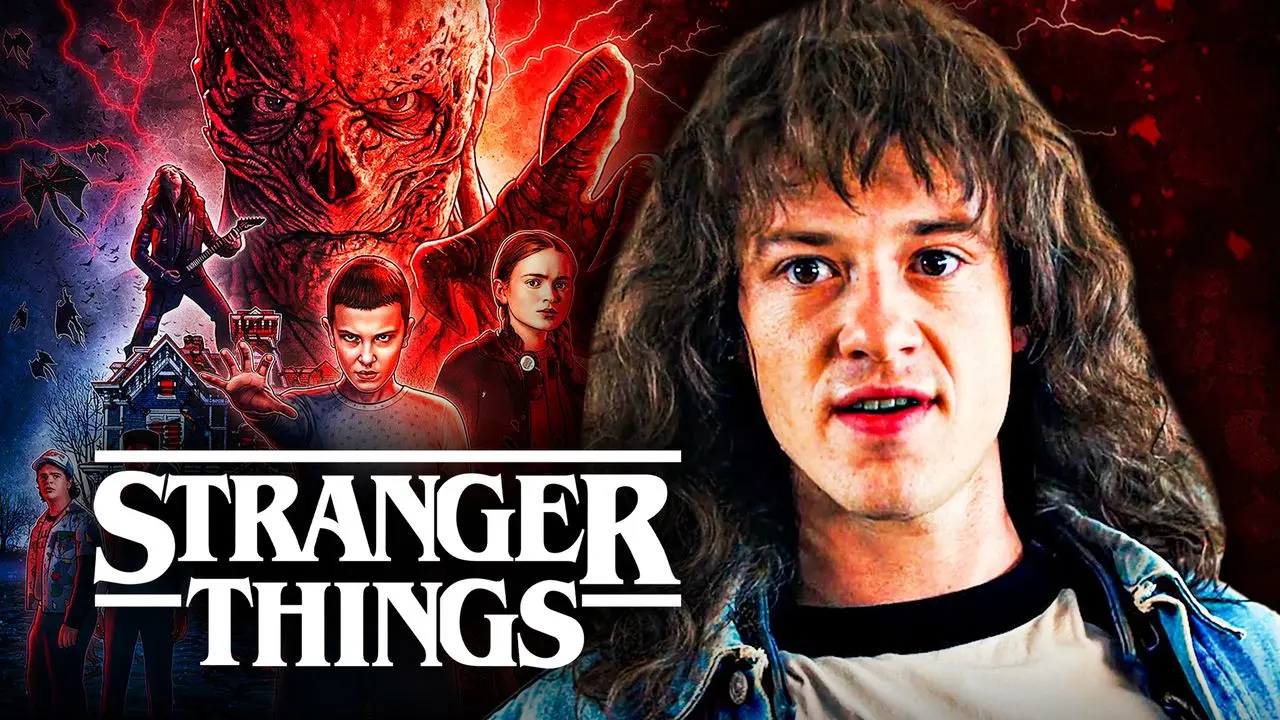
Description: Stranger Things Season 5 is coming, and not everyone will survive. We analyze the Duffer Brothers' "death logic" from Barb to Eddie to predict the heartbreaking fate awaiting Steve Harrington and others.
Introduction: The End of Hawkins As We Know It
If there is one thing Stranger Things has taught us over four harrowing seasons, it is that safety is an illusion. With the fifth and final season on the horizon, the stakes have never been higher. The town of Hawkins is no longer just a setting; it is a battlefield, bleeding directly into the Upside Down. While the show has a reputation for killing beloved characters, a closer look at the pattern reveals something crucial: nobody dies without a reason.
The Duffer Brothers don't just kill characters for shock value or cheap emotional points. They use death as a narrative tool to propel the survivors forward, to symbolize a loss of innocence, or to complete a specific narrative arc. Every gravestone in Hawkins tells a story that changes the trajectory of the living. As we prepare for the final battle against Vecna, we can actually look at the "ghosts" of Hawkins' past—Barb, Bob, Billy, and Eddie—to decode the show's hidden algorithm. By understanding why they died, we can predict exactly who is safe, and who is living on borrowed time in Season 5.

Part 1: The Philosophy of Sacrifice
To understand who will die, we first have to understand why people die in this show. The history of Hawkins is paved with characters whose deaths served a specific narrative function, usually acting as a catalyst for another character's transformation.
The Loss of Innocence: Barb Holland
Barb Holland was the show’s first major casualty and the archetype of the "sacrificial virgin." In classic horror tropes, the pure or moralizing character dies to signal the arrival of danger, contrasting with the "sinning" characters. However, Stranger Things twisted this trope. Barb’s death wasn't just a nod to 80s horror clichés; it was the essential catalyst that transformed Nancy Wheeler.
At the start of the series, Nancy was a suburban girl trying desperately to fit in with the cool crowd. She was cautious and concerned with social status. But the guilt of Barb's death—and the stark realization that being a "good kid" doesn't save you from monsters—shattered Nancy's world view. The show famously intercut Nancy's loss of virginity with Barb's death, linking the loss of childhood innocence with the intrusion of mortal danger. That trauma hardened Nancy into the shotgun-wielding, investigative journalist warrior we know today. Without the ghost of Barb haunting her, Nancy Wheeler never becomes the soldier Hawkins needs.
The Tragic Hero: Bob Newby
Bob Newby was the definition of a "nice guy." He was safe, reliable, dorky, and a potential stable father figure for Will and Jonathan. But in the ruthless ecosystem of Hawkins, "nice" gets you killed. Bob’s death in Season 2 wasn't just heartbreaking; it was a narrative necessity to maintain the show's dark tone.
Bob represented a return to normalcy for Joyce Byers. He offered a life of movie rentals, puzzles, and safety. But Stranger Things is not a show about safety. If Bob had lived, the tension would have evaporated. His death reinforced a cruel lesson for the Byers family: normalcy is impossible in a town cursed by the Upside Down. Furthermore, his removal cleared the narrative path for the Joyce and Hopper romance—a relationship hinted at since the pilot—to finally take center stage. Bob was the "safe choice," and by removing him, the show forced Joyce back into the fray alongside Hopper, proving that peace was never an option.

Part 2: Redemption Through Death
Sometimes, death is the only way to balance the narrative scales, especially for characters who have walked a dark path.
Billy Hargrove was a villain for most of his run—a violent bully with a traumatic past who terrorized Max and the Party. It was difficult to see a path toward redemption for him through traditional means. However, Season 3 turned him into a tragic vessel for the Mind Flayer, stripping him of his agency.
His death wasn't just an exit strategy; it was a moment of absolute clarity. When Eleven accessed his memories, we saw the terrified child beneath the monster. By sacrificing himself to the Mind Flayer to save Eleven, Billy earned a redemption that living simply couldn't have afforded him. He couldn't just apologize and join the group for D&D; he had done too much damage. Death was the only way to redeem his soul.
Crucially, Billy’s death rippled heavily into Season 4, becoming the emotional "wound" that Vecna exploited in Max. This proves that in Stranger Things, the dead don't stay buried; their absence shapes the plot for years to come. Max’s entire Season 4 arc—her isolation, her guilt, her vulnerability to Vecna's curse—was entirely predicated on the trauma of witnessing Billy’s sacrifice.
.JPG)
Part 3: The "Eddie Munson" Effect
The most brutal and discussed loss in Season 4 was undoubtedly Eddie Munson. Like Billy, Eddie’s death served a massive purpose for another character: Dustin Henderson.
The Duffer Brothers have admitted that Eddie was "doomed" narratively from the moment he saw Chrissy Cunningham die. He was trapped in a corner: he could either die a hero or live to rot in jail for a crime he didn't commit, as the town was swept up in "Satanic Panic." There was no happy ending waiting for Eddie Munson in Hawkins.
They chose the hero's exit. Eddie spent the season running away, but in his final moments, he chose to stand and fight. While his death was tragic, it validated his character in a way surviving couldn't. However, the true impact of Eddie's death will be seen in Season 5 through Dustin. Dustin has always been the comic relief, the optimist, and the glue of the group. Losing Eddie—his mentor and idol—in his arms is destined to change him fundamentally. We expect to see a darker, more vengeful Dustin in the final season, one who is no longer playing a game but fighting a war.
Part 4: Who Is Safe in Season 5?
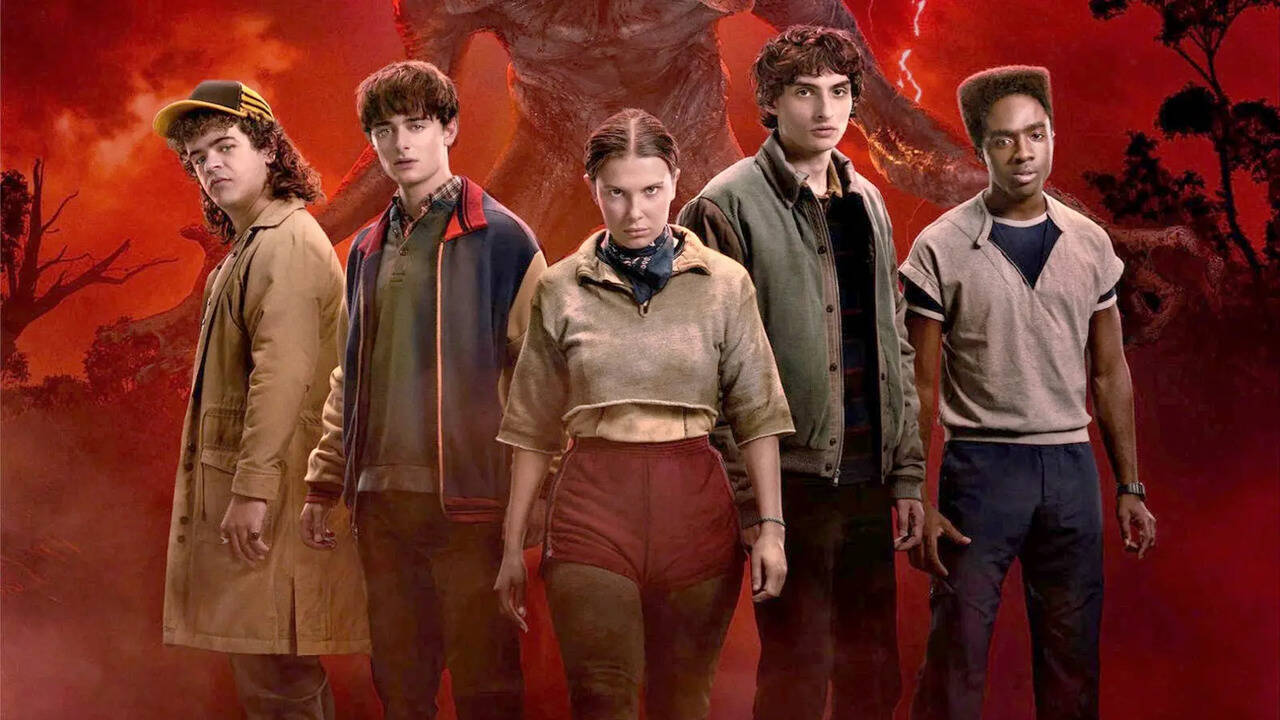
Based on this logic—that death requires a narrative purpose or a "transfer" of motivation—we can actually rule out several main characters who are likely shielded by plot armor.
Max Mayfield: It is highly unlikely the show will kill Max after spending an entire season focusing on her near-death experience. If the writers intended for her to die, it would have happened in the Season 4 finale. Keeping her in a coma, blind and broken, only to pull the plug in episode 1 of Season 5 feels narratively cheap. Her survival, likely with a permanent disability or a psychic connection to Vecna, is far more interesting for the story.
Lucas & Dustin: Lucas has suffered enough trauma watching Max essentially die in his arms, and Dustin is currently dealing with the fresh grief of losing Eddie. Killing them serves no higher story purpose other than misery porn. They are the witnesses who must carry the story forward.
Mike Wheeler: As the "Dungeon Master" and the heart of the group, Mike is likely safe. His role has always been the leader and the strategist. While he puts himself in danger, he is the narrator of the group's journey.
Jonathan Byers: He still has unresolved plotlines with Nancy and his brother. While he has been sidelined in recent seasons, his death wouldn't propel the story in the way others might. He is the protector of the family, a role that usually survives to the end.
Part 5: The Endangered List
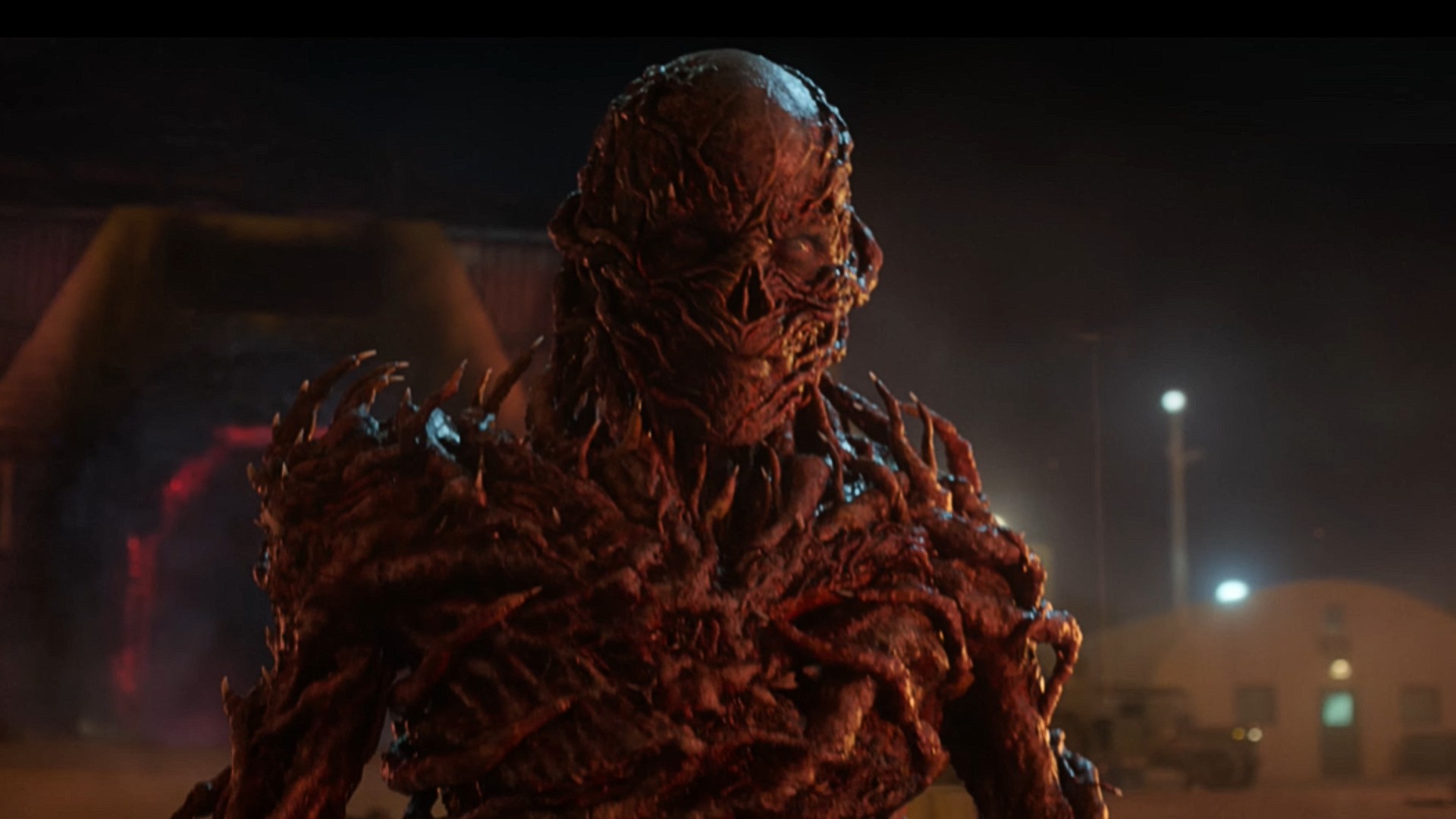
Now for the hard truth. If we follow the narrative threads, a few characters are standing on a precipice.
The Full Circle: Will Byers
Will is the boy who lived. The show began with his disappearance, and he is now intimately connected to Vecna, sensing him when others cannot. There is a strong theory that Will functions essentially as a "Horcrux" for the Upside Down. Because he was infected with the slug in Season 1 and possessed in Season 2, a part of the hive mind lives in him.
Will might have to sacrifice himself to destroy the link to the Upside Down for good. He has already "risen from the dead" once; doing it again to save his friends would bring the series full circle. The show started with Will, and it might end with him.
The Parents: Joyce and Hopper
Jim Hopper has already had a "fake-out" death in Season 3, which usually signals safety because repeating the beat feels redundant. However, both he and Joyce have deep ties to the history of Hawkins. There is a tragic beauty in the idea of the older generation sacrificing themselves to ensure the kids have a future. The theme of "protecting the children" is central to Stranger Things. If the show wants to deliver a gut-wrenching emotional blow without killing the core kids, taking out the parents—the ultimate protectors—is the way to do it.
The Ultimate Sacrifice: Eleven
Eleven opened the gate. She created the Upside Down (in a sense, by banishing Henry Creel there). Narrative logic suggests that to close the door forever, the person who opened it might have to leave with it. Whether this means she dies or simply loses her powers and fades away, El is not safe. The "Messianic Archetype" often ends in self-sacrifice.
Part 6: The Most Likely Victim: Steve Harrington
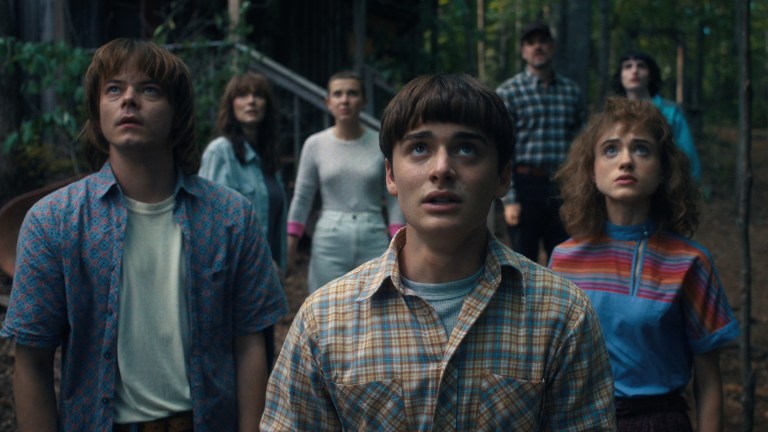
This is the prediction that hurts the most, but narrative logic points to Steve Harrington as the most likely character to die in Season 5.
Here is why Steve is in the most danger:
His Arc is Complete: Steve had the best character development in the series, going from a selfish, hair-obsessed jock to the world's best babysitter and a selfless hero. But lately? He has become stagnant. In Season 4, he reverted to pining for Nancy, looking backward rather than forward. He is locked in a repetitive cycle—a battle for Nancy's heart he is likely to lose to Jonathan, who shares Nancy's trauma and history in a different way.
The "Mentor" Trope: In fiction, the mentor figure (the Obi-Wan Kenobi or Dumbledore) often dies to force the younger heroes to stand on their own. Steve is the protector of the younger group. As long as "King Steve" is there with his bat, the kids have a safety net. For Dustin and the others to truly grow up and face Vecna alone, their protector has to fall.
The Dream of the Future: In Season 4, Steve explicitly described his dream future to Nancy: a Winnebago and a massive family of six kids. In storytelling, specifically in tragedies, when a character clearly articulates a peaceful, happy future, they are often marked for death. It’s a cruel irony used to make the loss hurt more.
Impact: Steve’s death would be the single most devastating blow to the largest number of characters. It would crush Dustin (his best friend), Nancy (his first love), and Robin (his soulmate). It would provide the emotional fuel the entire group needs to destroy Vecna once and for all.
Conclusion: The Final Roll of the Dice
Stranger Things is a show about growing up, and the hardest part of growing up is realizing that you can't save everyone. The nostalgia of the 80s—the bikes, the arcades, the innocence—is burning down.
Whether it is Will completing his tragic cycle or Steve making the ultimate sacrifice for the "nuggets" he raised, Season 5 is guaranteed to leave us in tears. The party is heading toward a final confrontation, and this time, not everyone is making it out of the dungeon.
Who do you think is doomed in Season 5? Drop your theories in the comments below!


No comments:
Post a Comment