Welcome to Ending Decoding

My photo
Welcome to Ending Decoding, the ultimate destination for fans who want to look beneath the surface of their favorite stories. this blog was born out of a passion for deep-dive storytelling, intricate lore, and the "unseen" details that make modern television and cinema so compelling. Whether it’s a cryptic post-credits scene or a massive lore-altering twist, we are here to break it all down. At Ending Decoding, we don’t just summarize plots—we analyze them. Our content focuses on: Deep-Dive Breakdowns: Analyzing the latest episodes of massive franchises like Fallout, A Knight of the Seven Kingdoms, and the wider Game of Thrones universe. Easter Egg Hunting: Finding the obscure references to games and books that even the most eagle-eyed fans might miss. Theories & Speculation: Using source material (like the Fire & Blood books or Fallout game lore) to predict where a series is headed. Ending Explained: Clarifying complex finales so you never walk away from a screen feeling confused.

Monday, February 2, 2026

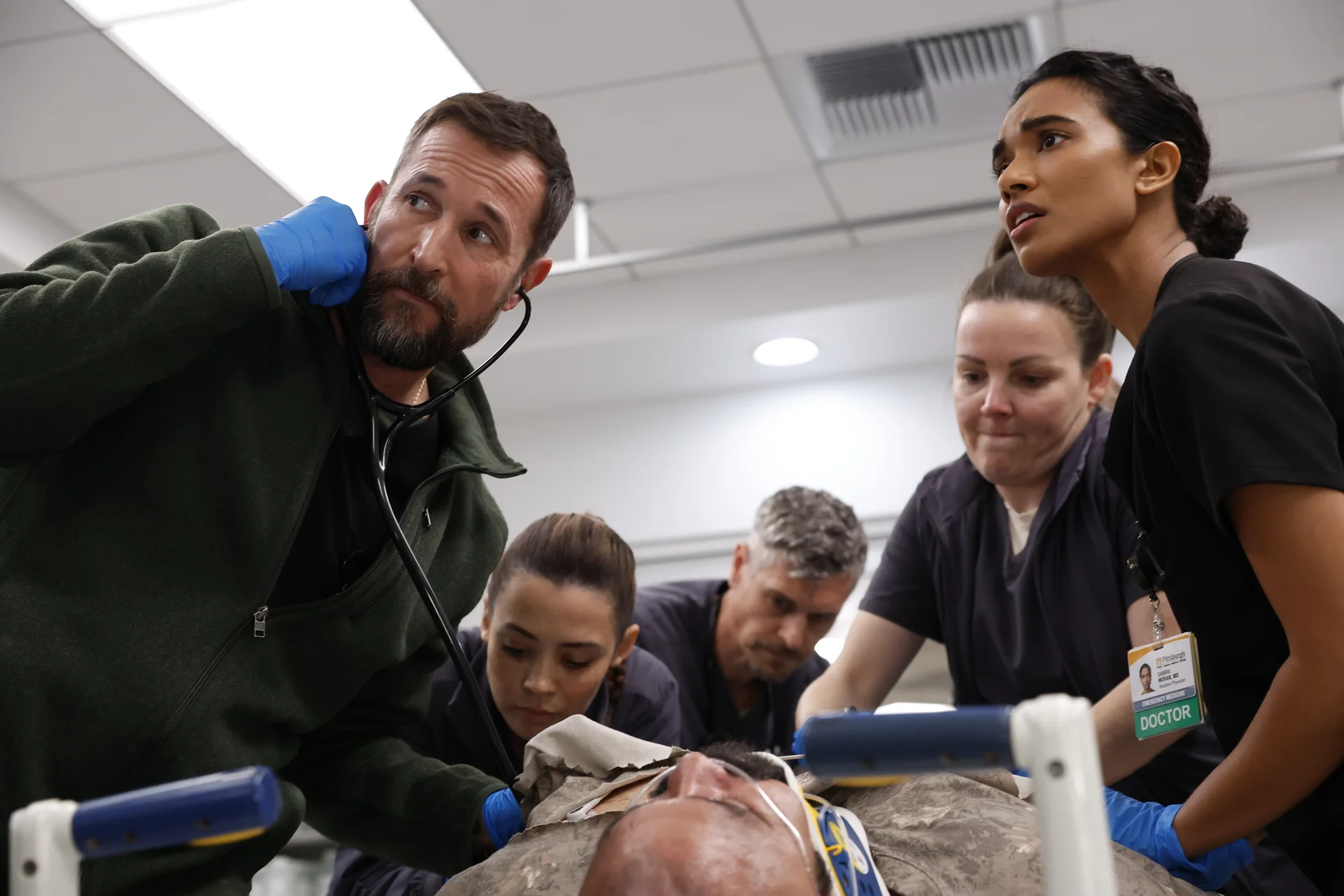
Okay, We Need to Talk About Hour Four of The Pitt


Listen, if you thought the start of this July 4th shift was chaotic, Hour Four just looked at the camera and said, "Hold my stethoscope."

We are deep in the trenches now, folks. Taking place between the sweating-it-out hours of 10:00 a.m. and 11:00 a.m., Season 2, Episode 4 just threw the entire kitchen sink at the Westbridge ER. We went from the hilarity of Superglued eyelids to the absolute existential dread of flesh-eating bacteria in forty-five minutes flat.

Can we give a massive, standing ovation for director John Cameron? The man knows how to build tension (he did Fargo and Legion, so obviously he understands how to make a scene feel slightly unhinged). The heatwave in this episode felt so oppressive I actually turned my own AC down while watching. You could practically feel the humidity sticking to the camera lens. Every shot felt claustrophobic, crowded, and sweaty, perfectly mirroring the internal state of the hospital.

And Cynthia Adarca’s script? Masterful. She balanced the high-octane trauma with those quiet, messy interpersonal moments that make us love this show. One minute you're laughing at a TikTok reference, and the next you're staring into the void of a failed healthcare system.

My heart is still racing, so let’s break down the madness, the medical jargon, and why I’m currently terrified for everyone involved.

The "Code Black" Betting Pool (and Why I Love Dr. Al)

The episode opens with the staff placing bets on why the neighboring ER went "Code Black," and honestly? This was the team bonding moment I didn't know I needed. It’s dark humor, sure, but that’s the ER survival mechanism.

First off, let’s clear something up because I definitely had to Google this: "Code Black" doesn't mean a bomb threat or a shooter. In The Pitt universe, it’s infinitely scarier because it’s real—it means the hospital has collapsed internally. It signifies a "critical lack of infrastructural resources." No beds. No staff. Total system failure. It’s a logistical nightmare that sends all their ambulances—including the poor "chilaquiles woman" and the parkour guy—straight to our already drowning ER. It’s the terrifying realization that the safety net has holes in it.

But the betting pool gave us such a good look at where everyone’s heads are at:

  • Robbie betting on flooding is just so him. Practical. Cynical. He’s seen pipes burst and ceilings leak a thousand times. He’s predicting a conservative 3-hour downtime because he manages expectations for a living.

  • Jesse betting on fireworks in a toilet? Classic. It fits the July 4th theme perfectly and speaks to his low opinion of the general public’s common sense on holidays.

  • Whitaker guessing a power outage? Given the heatwave frying the city's grid, that man is paying attention to the macro environment. He’s thinking like a tactician.

But the real winner here is Dr. Al. Watching her bet $21 just to beat Robbie by a dollar? The banter! The playful "Price is Right" strategy! She is finally trying to be one of the gang. Remember early Season 1 Al? Rigid, rule-following, terrifying Al? This Al is offering to buy Robbie a drink with her winnings. It felt like a massive olive branch, a signal that she wants to be part of the "tribe" rather than just their supervisor. I am living for this dynamic shift.

The Rise of "Dr. J" vs. The Disaster of Ogilvie

Okay, the subplot with Willow supergluing her eye shut was the comic relief we needed, but the reveal? Javadi is a TikTok star?

I laughed so hard when Willow asked for "Dr. J" and Langdon looked around, confused, probably expecting a basketball player. It’s such a perfect Gen Z vs. Millennial moment. Javadi (or "Crash," as Santos rudely nicknamed her earlier in the series) isn't just a struggling student; she’s an influencer giving advice on "coping with difficult coworkers." The irony! She’s sub-tweeting her own attendings to thousands of followers. And honestly? Good for her. But you just know the hospital admin is going to come down hard on her eventually. There’s a HIPAA violation waiting to happen there, but for now, watching Langdon realize he’s out of touch was pure gold.

And then... there’s Ogilvie.

I cannot stand this man. He is quickly becoming the character I love to hate-watch. He represents everything terrifying about a doctor with an ego larger than their skill set.

  1. The Fist Bump: Him trying to get in on Robbie and Whitaker’s mentorship moment and getting brutally denied? Cringe. It was physically painful to watch. He wants the camaraderie without putting in the work. Read the room, buddy.

  2. The Negligence: This was genuinely infuriating. He missed a shard of glass in the parkour guy’s back! That’s Medical Student 101. But worse? Instead of owning it and calling for an attending, he tried to fix it himself to save face, causing massive bleeding. He treated a human being like a biology frog dissection just to protect his fragile ego.

  3. The Smirk: Smiling when Joy cut herself on the glass? That was psychopathic behavior. Garcia shut him down immediately ("Leave the decisions to the adults"), and I cheered. That line needed to be said.

Ogilvie is dangerous because he doesn't know what he doesn't know. He parallels Santos from Season 1, but Santos wanted to be good. Ogilvie just wants to be admired. That distinction is going to get someone killed.

MVP of the Week: Dr. Whitaker

Can we talk about Whitaker’s glow-up? The man got his first direct deposit as an official doctor and immediately turned into House M.D.

When John Samba arrived with chest pain, the standard 12-lead ECG looked fine. Most doctors—especially exhausted ones in hour four of a holiday shift—would have cleared him for indigestion or anxiety. But Whitaker trusted his gut. He pushed for the leads on the back to check for a Posterior STEMI (a hidden heart attack).

For the non-medical nerds: A posterior STEMI affects the back wall of the heart. Standard frontal tests often miss it because the electrical signals are obscured by the heart muscle itself. It’s a silent killer.

The way Robbie backed him up despite Jesse’s annoyance? That is mentorship goals. Jesse just wanted to clear the bed, but Robbie saw that Whitaker was onto something. And when Whitaker was right—confirming the diagnosis moments before the patient collapsed into cardiac arrest—I literally fist-pumped. That "Good pickup" from Robbie wasn't just a compliment; it was a coronation. Our farm boy isn't just a pair of hands anymore; he’s a diagnostician.

The Emotional Heavy Hitters

The Pitt never shies away from the hard stuff, and this week was no exception. It tackled mental health and neurodivergence with a level of grace you rarely see on network TV.

Mel and Santos: The storyline with Alicia (the patient with bulimia) broke my heart, but it gave us such a beautiful, revealing moment with Mel. Alicia was trying to hide her condition, brushing off aspiration pneumonia, but Mel saw right through it. Hearing Mel open up about her own history with ARFID (Avoidant Restrictive Food Intake Disorder) and sensory issues was huge. She explained how she avoided vegetables and textures, not out of vanity, but out of sensory overload. It wasn't treated as a "problem" to be fixed, just a part of who she is. It’s rare to see neurodivergence handled with that much nuance and without it being the entire plot of the character.

Jackson Davis: And finding out Jackson (the tased guy from last week) wasn't on drugs? That hit hard. The toxicology screen came back clean. He was a law student shouting legal codes during a psychotic break. The tragedy of the "high-achieving burnout" narrative is so real. He wasn't a threat; he was a kid whose brain snapped under pressure. Dr. Jefferson’s hesitation to diagnose him with schizophrenia really highlighted how high the stakes are. Once that label is on a chart, it changes how the world sees you forever.

Relationship Status: It’s Complicated

  • McKay: She has a date! With Brian, the "foot guy"! At 9:00 p.m.! It’s adorable that she thinks she’s making that date. This is an ER drama. The universe does not allow for happy dates during a Code Black shift. I have a pit in my stomach that the job is going to steal this joy from her, just like it steals everything else.

  • Whitaker & The Widow: We finally got an update on the lingering Season 1 plot. Teddy (the burn victim) passed away, and Whitaker is spending his free time helping his widow, Amy, maintain the farm. Princess called him an "astrology girlie" for being such a caretaker, implying it’s just his nature. But I’m wondering... is this pure altruistic grief support, or is this the start of a slow-burn romance born from tragedy? It’s a gray area, and Whitaker lives in the gray areas.

  • Robbie & Langdon: This hurts to watch. Langdon is back, sober, and trying so hard to make amends, but Robbie is giving him nothing. He refuses to make eye contact. He won't let Langdon leave triage. The silence between them is louder than the alarms in the trauma bay. Robbie feels abandoned, and that wound is deep. I don't think a simple "I'm sorry" is going to fix a betrayal that profound.

... I Am Terrified

The episode ends on a straight-up horror movie note. Debbie—the lady with the "minor" foot injury from Episode 1—is back. And her leg looks angry.

The redness has blown past the sharpie marker line they drew to track the infection. It’s spreading fast, and the tissue looks necrotic. Donnie asks if it’s MRSA (which is bad enough).

Langdon’s reply chills the blood: "Or worse."

Guys, I think we’re looking at CRE (Carbapenem-resistant Enterobacteriaceae), otherwise known as "nightmare bacteria." If this is an antibiotic-resistant superbug, the ER isn't just busy; it’s a biohazard zone. CRE kills up to 50% of people who get it in their blood. If this spreads? It could force a quarantine. It could shut down the whole hospital. It puts every single compromised patient (and staff member) at risk of death.

Season 2 is not playing around man. The tension is ratcheting up, the character dynamics are messy in the best way, and I am genuinely scared for next week.

What do you guys think the Code Black is? Is Whitaker right about the power outage? And seriously, someone needs to stop Ogilvie before he kills someone. Let me know your theories!
Sunday, February 1, 2026

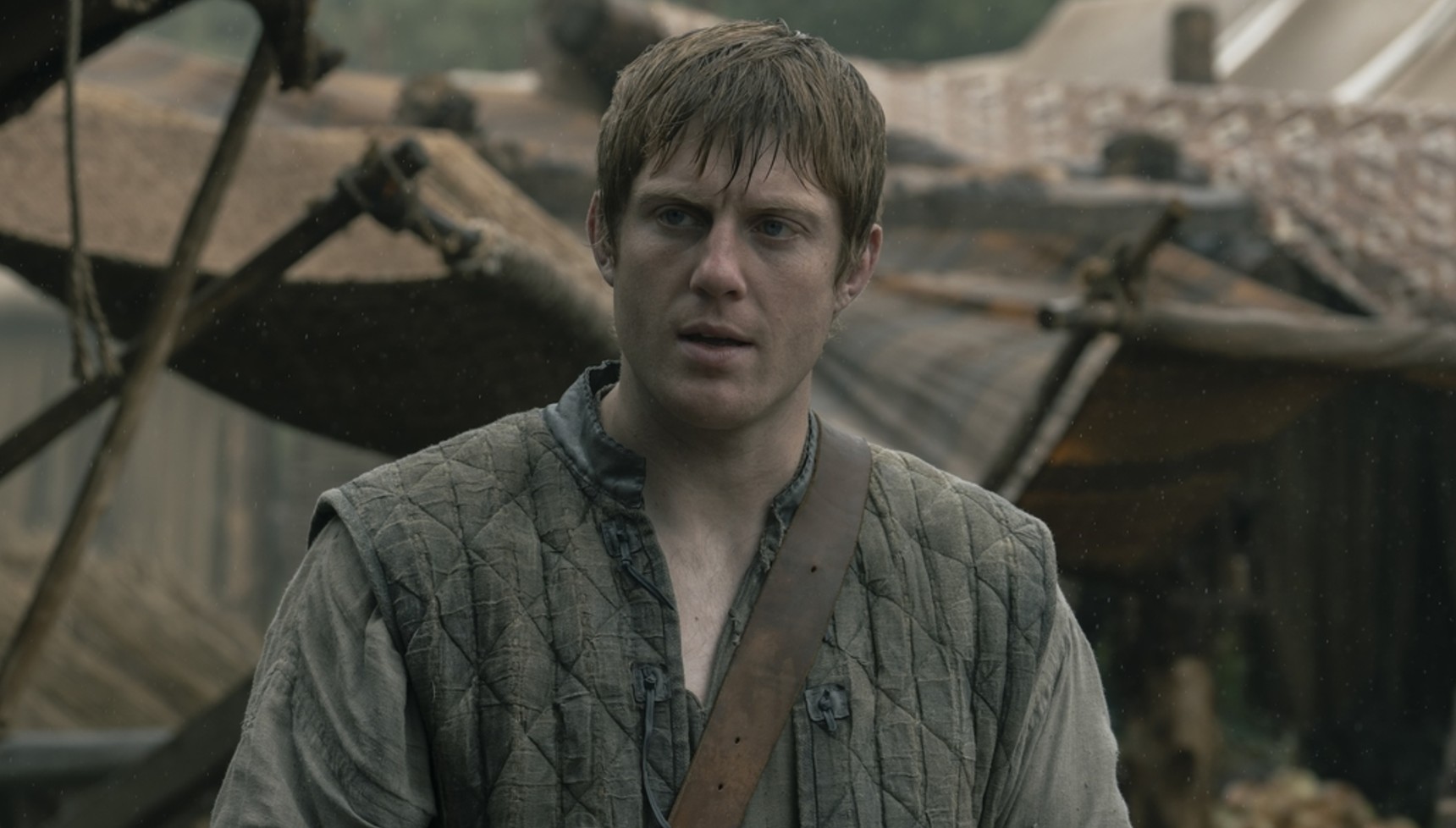
A KNIGHT OF THE SEVEN KINGDOMS Episode 3 Breakdown & Ending Explained | Game Of Thrones Easter Eggs


Welcome back to Westeros. The Ashford Tourney has officially begun to become violent, even though the first few episodes were lighthearted. This week, which takes a slightly less heroic path than our hero might have imagined, provides a huge springboard for the remainder of the season.

We have Easter eggs and geese eggs, and thank God we no longer have to be cautious about Egg's true identity. It was history's worst-kept secret: One half of the missing Targaryens, Egg, is Aegon. Here, we truly get to see how the general public perceives the royal family, and to be honest? Finally, the disguise is beginning to come off. 

Let's examine the most recent episode in detail.

The Hedge Knight Morning Routine 

The episode adheres to the charming premise of presenting us with a "day in the life," beginning at dawn. I adore how Dunk is constantly seen dozing off in a field; it wonderfully captures the essence of what it means to be a Hedge Knight. In the books, Dunk frequently ponders what it must be like to have a roof over your head and wake up in the same spot every day—something he simply doesn't understand.

While Dunk is dozing, Egg is wide awake. In the show, we initially think he’s completing his squire tasks, but he’s actually training the horse, Thunder, for the joust. A fantastic character moment results from this. Egg adds his father (Maekar) believes horses are "dumber than dogs and only understand pain." In sharp contrast, Ser Arlan, Dunk's mentor, took good care of his horses in spite of his financial situation.

Egg, naturally, disagrees with his dad. He believes that horses enjoy being in charge just as much as humans do. It demonstrates how Egg differs from both his father and his brothers. You can see he's taking the job seriously even though he's basically "cosplaying" as an impoverished squire and treating the entire experience like a fun escape from the Red Keep.

 The Missing Eye and the Mad Knight

Egg encounters a barefoot man with an eyepatch during training who resembles a youthful Beric Dondarrion. This weird guy accuses Egg of stealing the horse right away, which is a crime that may get you murdered these days.

In reality, this is Robyn Rhysling, a fictional figure. We see a terrible flashback revealing just how he lost that eye to a splintered lance. Since it's only explained through speech in the book, it's a fantastic visual supplement. Here, the risk of the sport is brought home by witnessing him galloping about with his eye—well, barely attached.

He is referred to by Egg as the "maddest knight in the Seven Kingdoms," and he appears to be somewhat of a religious fanatic, claiming to be a representative of The Warrior. It's a neat development of a supporting character that gives the tournament roster more depth.

History lessons and poverty cosplay

Back at camp, Dunk is seething because Egg has been AWOL. In one scenario, Dunk tries to teach Egg how to sew, which is a fundamental survival skill for a squire, but Egg has no idea. His education is in writing and reading, not tunic repair. His disguise is crumbling at the edges since he simply doesn't have the "poor kid" talent.

While Dunk is nervously puking before his joust (poor guy), Egg starts singing a song about the Blackfyre Rebellion. We call it "The Hammer and the Anvil."

For the lore nerds, this is gold. The song explains the Battle of Redgrass Field:

  • The Hammer: Baelor Breakspear (the current Hand of the King).

  • The Anvil: Maekar (Egg’s dad).

Baelor smashed the rear of the rebel army while Maekar held the line. Egg rattling off this high-level history while Dunk is just trying to keep his breakfast down highlights the gap between them. Dunk barely knows who the players are, while Egg knows the political intricacies because... well, it’s his family history.

The Dark Side of the Tourney

We get a lighter moment with Dunk and Egg eating goose eggs (a nice nod to the title) and watching the jousts. They banter, doing impressions of the lords, and Egg talks about how he could live a simple life planting oats. He’s dreaming of an escape from the pressure of being a Targaryen prince. He wants the simple life, while Dunk—who grew up in Flea Bottom—has a romanticized view of castles and chivalry.

But that romantic view gets shattered quickly.

Dunk gets approached by Plumm, the steward, who basically makes him a mob boss offer. They want to fix the joust. The house of Ashford has overspent on the tourney, and they need a rigged outcome to make money on the betting. They want Dunk to win against the house favorite so they can cash in on the long odds.

Dunk, being the absolute pillar of morality that he is, refuses. He wants to win, but he wants to earn it. It’s a harsh lesson for Dunk that the shiny knights he looks up to are often involved in backroom scams.

Enter the Dragon (The Bad One)

Speaking of unchivalrous behavior, enter Aerion Brightflame.

This guy is a menace. He rides out with his visor up, looking arrogant, with a dragon crest that is vividly colored. He mocks his opponent, Ser Humphrey Harding, with the line: "Come out, little knight. It’s time you face the dragon."

The joust turns into a horror show. Aerion cheats. He lowers his lance at the last second and intentionally skewers Humphrey’s horse. It’s a brutal, gut-wrenching scene. The crowd turns instantly—this isn’t sport; it’s slaughter. It reminded me of the mob turning on the royals in House of the Dragon. The smallfolk know when things aren't fair, and they are furious.

The Puppet Show and The Kick

This is where everything falls apart. Dunk and Egg retreat to a puppet show where the puppeteer, Tanselle, is depicting a dragon being slain.

Aerion, being the insecure psycho he is, takes offense to a puppet show. He attacks Tanselle, breaking her fingers. This is the moment Dunk stops being a "hedge knight" trying to fit in and starts being a true hero.

He doesn't think. He doesn't calculate the politics. He just acts. Dunk kicks Aerion right in the face (a scene so satisfying I wanted to replay it). He beats the prince into the mud.

But then reality crashes in. The guards seize Dunk. Aerion, spitting blood and teeth, demands Dunk’s life. They are about to mutilate or kill him right there in the mud.

The Mask Slips

Egg has no choice. He steps in to save Dunk’s life.

"Unahnd him!"

The guards hesitate. Then Egg drops the bomb. He reveals he is Aegon Targaryen. He explains he cut his hair so he wouldn't look like his brother, Aerion. The music swells, the realization hits Dunk’s face like a brick, and the episode ends on that massive cliffhanger.

The Prophecies and Easter Eggs Explained

Before we wrap up, we have to talk about the foreshadowing in this episode, because there was a ton of it. If you haven't read the books and want to remain completely unspoiled for the future of Westeros, look away now!

1. The Fortune Teller Dunk and Egg visit a fortune teller, and her predictions are eerily accurate to the books and lore:

  • For Dunk: She says he will be "richer than a Lannister." While Dunk never becomes wealthy in gold, he eventually becomes the Lord Commander of the Kingsguard, arguably a life richer in honor and legacy than any Lannister.

  • For Egg: She predicts he will be King (true, he becomes Aegon V) and that he will "die in hot fire and worms shall feed upon your ashes." This is a dark reference to the Tragedy of Summerhall, where King Aegon V dies in a massive fire while trying to hatch dragon eggs. It’s a tragic end for a character we love so much.

2. "Richer than a Lannister" There is a theory that Dunk’s "riches" also refer to his descendants. It is heavily implied in the books (and confirmed by George R.R. Martin) that Brienne of Tarth is a descendant of Dunk. We might even see Dunk’s shield again in future Game of Thrones spinoffs.

3. The Fossoways We met cousins Raymun and Steffon Fossoway.

  • Raymun (the one who gave them cider) is the good apple. He talks about how the Targaryens have "madness" in them.

  • Steffon is described as "about as chivalrous as a starved weasel." Keep an eye on him. In the books, Steffon agrees to help Dunk in the upcoming Trial by Seven, only to betray him at the last second to join Aerion’s side. 

    4. The Prospective Union
    Egg makes jokes about Dunk and him getting married as sisters. Ironically, Egg eventually marries for love (Betha Blackwood), breaking a political betrothal. This action causes huge political turmoil but reveals that Egg puts the heart over duty—a trait he definitely learnt during his time on the road with Dunk.  


This was arguably the best episode yet. The blend of humor, lore, and the sudden shift to high-stakes violence was handled perfectly. The dynamic between Dunk and Egg is the heart of the show, and seeing it tested by the reality of who Egg really is sets up a fascinating conflict for the next episode.

What did you think of the reveal? Did you want to punch Aerion as much as Dunk did? Let me know in the comments below!


Wednesday, January 28, 2026

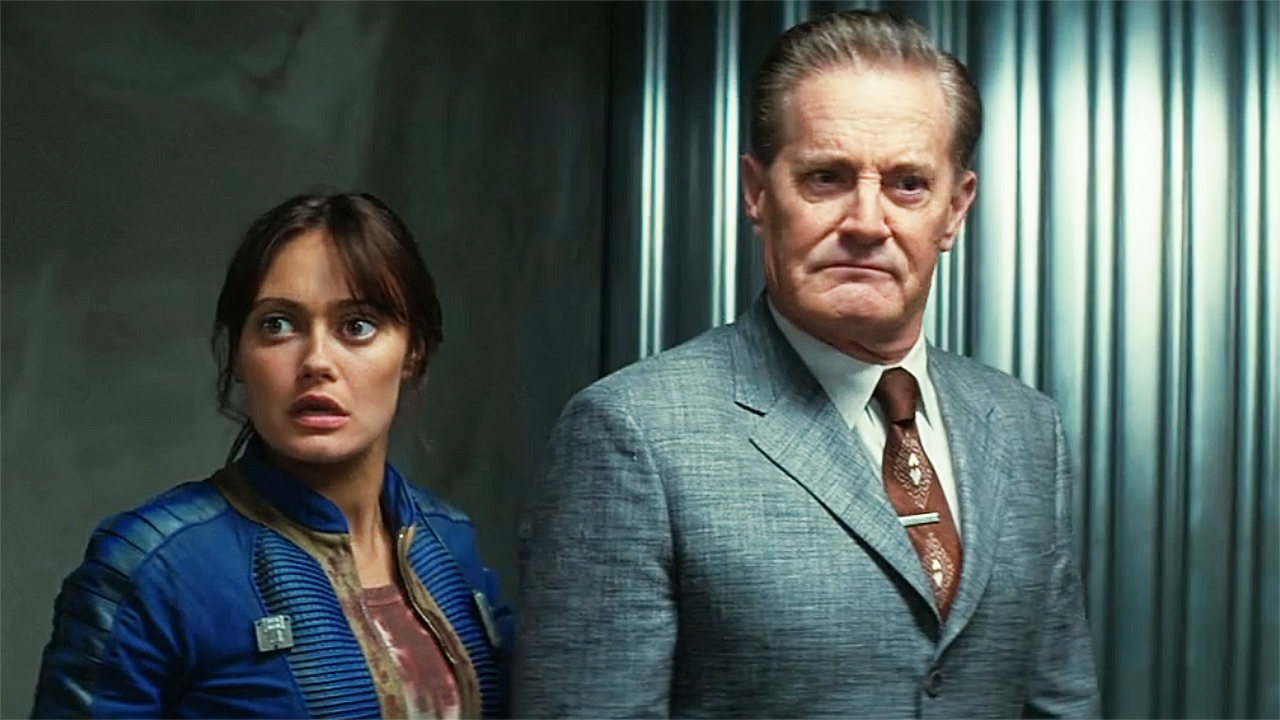
FALLOUT Season 2 Episode 7 Breakdown & Ending Explained | Review & New Vegas Game Easter Eggs


Welcome back to the wasteland, Vault Dwellers.

If you thought the earlier episodes were heavy, take a deep breath. Episode 7, "The Hand Off," didn’t just move the plot forward—it completely rewrote the rules of the game. We aren't just watching characters trek across a map anymore; we are watching the fate of the entire world hang by a thread. The stakes for that Cold Fusion tech just went from "important" to "terrifying," echoing all the way back to the pre-war politics that started this mess.

This episode felt like the deep breath before the plunge. Up until now, we’ve been piecing together the mystery of what happened. Now, the show has pivoted to the terrifying question of what happens next. From the gut-wrenching history of the Resource Wars to the desperate survival of 2297, this episode gave us everything. We got a harrowing look at the Canadian annexation, a triumphant (and honestly, kind of scary) return of major New Vegas icons, and an ending that sets us up for a brutal finale.

So, grab a Nuka-Cola Quantum, and let’s talk about it. Here is everything that hit me right in the feels during this game-changing hour.

The Cold Fusion Dilemma: Savior or Tyrant?

Let’s be real: the Cold Fusion isn’t just a battery. It’s the holy grail. It’s the difference between starving in the dirt and rebuilding civilization. In the Fallout universe, we’ve seen MacGuffins before—the Water Chip, the G.E.C.K., Project Purity—but Cold Fusion feels different. It represents the end of the scarcity that caused the Great War in the first place.

Seeing The Ghoul (Cooper Howard) in this episode was physically painful. Watching him struggle with that severe toll, barely clinging to life thanks to the very radiation that destroyed the world? It’s a tragic irony that just breaks your heart. He is literally fueled by the apocalypse. The makeup team deserves an award here; you can see the centuries of exhaustion etched into his face. Every cough, every stumble, reminds us that his immortality is a curse, not a gift. He isn't living; he is enduring.

When he comes face-to-face with Maximus, who’s holding the Cold Fusion, you can feel the weight of Cooper’s past crashing down on him. This isn’t just about survival; it’s about a choice he’s made before. It mirrors the classic Fallout faction dilemma: Do you trust the "good guy" (like the Brotherhood or the Minutemen) with ultimate power? Or do you realize that power turns everyone into a tyrant eventually?

Cooper looks at Maximus and sees a reflection of his younger self—an idealist in power armor who thinks he can fix the world if he just follows orders. Deep down, we know Cooper just wants to find his wife and daughter. That’s his North Star. But the path to them is a nightmare. He’s terrified that Maximus—young, idealistic, and naive—is about to make the same catastrophic mistake Cooper made 200 years ago. He knows that handing over a weapon of mass salvation to a militaristic order usually results in mass subjugation. And honestly? I’m terrified for him, too.

Inside the Vault: Peace by Lobotomy?

And then there’s Lucy. Her storyline took a psychological turn that gave me chills. She’s finally with her father, Hank, in the management vault, but something is wrong. The atmosphere in Vault 31 shifted from "mystery" to full-blown dystopian horror.

Hank’s justification for wiping out Shady Sands was horrifying enough—a cold, calculated decision to eliminate competition—but his solution for "peace" is somehow worse: The Brain Control Interface. The scene set to Nat King Cole’s "When You're Smiling" was a masterclass in creepiness. Seeing those workers, happy and productive only because they’ve been robbed of their memories and free will? It made my skin crawl. It reminded me of the worst Vault-Tec experiments, like the simulation pods in Vault 112.

Hank is trying to sell us on this twisted idea that trauma causes war, so if you remove the bad memories, you get peace. It’s the ultimate utilitarian nightmare: a perfect society where no one suffers because no one is really there. But like Lucy said, that’s not living. That’s just existing. Is a safe life worth it if you aren’t allowed to feel sadness? Is it worth it if you can't remember who you lost? Hank is building a monument to hollow happiness.

The moment that really got me was the driving lesson. In a world where cars don't even run, watching Hank try to simulate this "normal" father-daughter moment felt so manipulative. It highlighted the banality of his evil. He isn't cackling or twirling a mustache; he's just a dad who wants things to be "nice," even if he has to burn the real world down to build a fake one in his bunker. He’s rejecting the reality of the wasteland for a curated fantasy, forcing his daughter to play house in the middle of an apocalypse.

Steph’s Past: The Horror of "Little America"

I have to give a shout-out to the expanded backstory for Steph. Seeing the reality of the Canadian annexation was grim, but it added so much depth. We've read the terminal entries in the games about the US annexation of Canada to secure the Alaskan pipeline, but seeing it portrayed on screen was visceral.

The opening scene, where she’s saved by that explosion, gave me serious Fallout 4 Super Mutant Suicider vibes. But beyond the action, it was the tragedy of her life that stuck with me. She was a victim of imperialism back then, caught in the crossfire of the Resource Wars, and now she’s trapped in the Vault’s politics, clawing for power just to feel safe.

The environmental storytelling here was a love letter to the fans, packed with details that ground the show in the game's timeline:

  • The Baby Powder: Seeing that vintage Abilene bottle grounded the scene so well. It’s a "junk" item we’ve scrolled past in our Pip-Boys a thousand times, but here it represents the last shred of domestic normalcy in a war zone.

  • The Flag: Did you catch the 13 Commonwealths flag? That deep red logo felt like a visual metaphor for all the blood spilled to secure "Little America." It reminds us that the pre-war USA wasn't the country we know; it was a hungry empire devouring its neighbors to keep the lights on for a few more years.

  • The Pork and Beans: Watching her scavenge that familiar can was a stark reminder of the hunger she’s known her whole life. It bridges the gap between the starving refugee she was and the ruthless survivor she is now.

The New Vegas Connection: Oh My God, It’s Happening!

Okay, can we scream about this for a second? The New Vegas Strip.

When the camera panned over to the Strip, I think every fan’s heart skipped a beat. The production design was flawless—capturing that decayed glamour of the Mojave perfectly. Seeing the Atomic Wrangler and those posters for "Maxis the Magician" brought the nostalgia flooding back. It wasn't just a cameo; it was a promise.

The Return of Robert House

But the mic-drop moment? The connection to Mr. House.

Realizing that Cooper met with the powers-that-be (likely the Enclave or the shadow government) at McCarran Airport was huge. For New Vegas players, McCarran is iconic as the NCR headquarters, so seeing it in its pre-war glory was jarring. And seeing Clancy Brown as the "President"? Perfection. But the tragedy is realizing that Cooper gave them the Cold Fusion back then. He thought he was saving the world. He was so naive, trusting the suits to fix the mess they made.

And then, seeing House’s influence in the present day:

  • The Lucky 38: Looming over everything like a tombstone for the old world. It’s still standing, still watching.

  • The Securitrons: Seeing those robots (even if they were disabled) gave me goosebumps. The specific design—the tire treads, the bulky shoulders—was ripped straight from the game engine. Their inactivity is terrifying... it implies House is waiting for the right moment to boot them up.

  • The Snowglobe: The Hoover Dam snowglobe! A direct nod to our Courier days collecting souvenirs for the penthouse.

  • The Face: Seeing Mr. House’s green, digitized face on that monitor confirmed it. He’s still there. He’s been waiting 200 years to play his hand. "The House Always Wins" isn't just a catchphrase; it's a threat.

The Ending: History Repeats Itself

The title "The Hand Off" is heartbreaking because it refers to a mistake happening twice. It emphasizes the show's core theme: "War Never Changes."

In the past, Cooper handed the tech to the government, hoping for peace. It was his deal with the devil, and it cost him everything. He traded his integrity for a promise of safety that never came. In the present, we see Maximus and The Ghoul at the gates of the Lucky 38. Maximus wants to be the hero, but Cooper knows better now. He knows there are no "good guys" with that much power. He knows that whether it's the Enclave, the Brotherhood, or Vault-Tec, the organization always crushes the individual.

The shot of the "Little America" sign in the credits—now just a rusted memory in a wasteland—was a haunting reminder of what happens when you trade freedom for safety. It’s the visual punchline to the episode: the country Cooper tried to save is gone, leaving only the rust and the regret.

What Comes Next?

I’m genuinely anxious about the finale. The pieces are all on the board, and it looks like checkmate is coming.

  • Cooper: He’s reuniting with his family, but he’s sick. Is he going to turn feral right when he reaches them? That would be the ultimate tragedy—to find his wife and daughter but lose his mind in the same moment. A feral Cooper would be a heartbreaking end to the coolest character in the show.

  • Norm: He is getting ruthless in the Vault. Is he turning into his father? He’s solving the puzzle, but he’s losing his innocence. If he takes over Vault 31, does he become the jailer?

  • Lucy: She’s wearing that yellow dress, rejecting the Vault, and stepping up. She’s going to have to make the hard call about the Cold Fusion. She is the wild card now. Will she destroy the tech to stop the cycle, or try to use it to rebuild Shady Sands?

With Deathclaws loose, the Enclave watching from the shadows, and Mr. House back online, I don’t think any of us are ready for how this ends. The "Hand Off" wasn't just about the Cold Fusion; it was the show handling us off to a darker, deeper story.

What did you guys think of the Mr. House reveal? Am I the only one terrified that Cooper isn’t making it out of this season alive? Let me know in the comments!

Tuesday, January 27, 2026

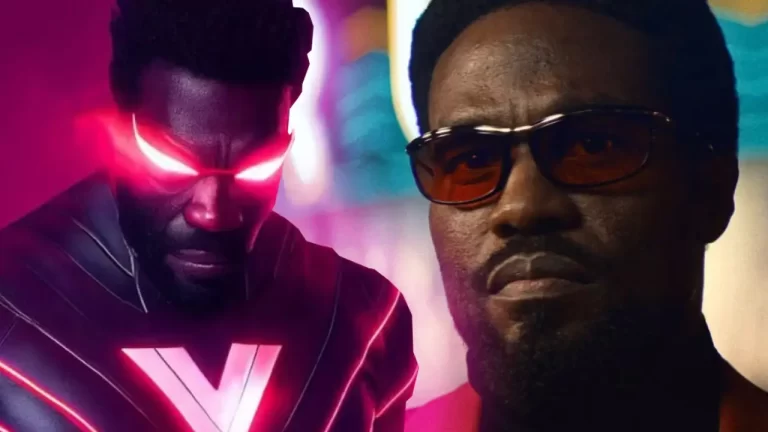
Marvel’s Wonder Man Ending Explained: The DODC, The Mutant Saga, and Simon’s MCU Future


Finally! Why the Wonder Man Finale Was Everything We Needed

Look, being a Marvel fan lately has been... a journey. And specifically regarding Wonder Man? It has been an absolute uphill battle to get this thing on our screens. We watched this project survive through the strikes, the production hell, and that massive internal shift at Marvel Studios. For a hot minute there, it felt like this show was going to be lost in the limbo of "what could have been."

But now that the credits have rolled on the miniseries? I am so glad they took their time.

What sounded on paper like a total mess—pairing Yaya Abdul-Mateen II’s serious, reluctant Simon with Ben Kingsley’s chaotic Trevor Slattery—turned out to be the heartbeat the MCU didn't even know it was missing. This wasn't just another CGI beat-'em-up. It was a genuine, messy, beautiful look at failure, fame, and trying to find redemption when the world just won't let you move on.

The finale left us with that incredible image of two wanted men blasting into the California sky to Harry Nilsson’s "Everybody’s Talkin'." It was a vibe. But now that the dust has settled, my brain is buzzing with questions. Where are they going? Is Simon actually a mutant? And does this mean we’re finally getting the West Coast Avengers?

Let’s geek out and break this down.

The Finale: Escaping the Machine

First off, can we talk about that needle drop? Opening with Phantom Planet’s "California" gave me such a sense of chaotic optimism, even though the situation was grim.

The betrayal by Agent Cleary hit hard. We remember him from No Way Home and Ms. Marvel, but here, he went full corporate villain. Watching him void Trevor’s immunity deal just because the set got destroyed was a punch to the gut. But it was necessary, because it forced Simon to stop pretending.

The whole series, Simon has been trying to split himself in two: "Simon the struggling actor" vs. "Wonder Man the hero." He refused to let them coexist. But breaking Trevor out of that DODC facility? That was the moment. He finally realized that being a hero isn't about the costume—it's about owning your mess.

The Lore Bomb: The coolest part for me was the forensics scene. Did you catch that? The debris wasn't melted; it was fused. Simon isn't just strong; he’s manipulating matter at an atomic level. That is a terrifying power upgrade, and I am here for it.

The Big Theory: Is Simon the MCU's First Protagonist Mutant?

Okay, put on your tin foil hats, because this is where it gets spicy. Since this was a "Marvel Spotlight" show, they didn't bog us down with heavy exposition. But if you were paying attention, the clues were screaming at us.

In the comics, Simon is an ionic energy experiment. But here? The show specifically points out that his powers kicked in during puberty. We got that flashback to the fire where he had zero smoke inhalation. His clothes burned, but his skin didn't.

This feels like a soft launch for the X-Men. Think about it. In mutant lore, powers almost always trigger during high-stress teenage years (like Rogue or Cyclops). Simon even mentions hiding his "bad side" from everyone but his family. If his powers are biological and tied to his emotions—rather than a super-soldier serum or a lab accident—Simon Williams might just be the first major mutant protagonist we’ve followed in this saga (aside from Ms. Marvel and Namor).

He’s not a guy learning to use a tool; he’s a guy learning to accept his DNA. That is pure X-Men storytelling.

The DODC Are Terrifying Now

Is it just me, or has the Department of Damage Control gone from "annoying bureaucrats" to "straight-up villains"?

The satire here is chilling. In Episode 3, they admit their prison is half-empty and they are facing budget cuts. That one line explains everything. They aren't hunting superpowered people to protect us; they are hunting them to justify their payroll.

It recontextualizes everything we saw in Ms. Marvel and She-Hulk. They are actively looking for "enhanced" targets to fill their cages so they can keep their military toys. By the end, Cleary looks at Simon not as a person, but as a billion-dollar defense contract waiting to be signed. If the Mutant Saga is coming, the government now has a financial incentive to hunt them. That is scary realistic.

Poor Trevor Slattery...

I laughed so hard at Ben Kingsley, but man, Trevor is in trouble.

To the world, he just publicly confessed to being a terrorist associate again. He flashed the Ten Rings logo on a global broadcast!

  • Problem 1: The Feds want him.

  • Problem 2: Xialing (Shang-Chi’s sister) runs the Ten Rings now. I doubt she’s going to be thrilled about a washed-up actor using her brand for a publicity stunt.

Since Destin Daniel Cretton (the Shang-Chi director) is a creator here, the DNA of that movie is all over this. I wouldn't be shocked if the real Ten Rings come looking for their "pound of flesh" next.

So, Where Did They Go?

The show ends with them flying off, technically still in California. This feels intentional. The MCU is clearly building a West Coast hub:

  • Shang-Chi is in San Francisco.

  • She-Hulk is in L.A.

  • Moon Knight is doing his thing.

  • White Vision is out there somewhere.

Are we looking at the West Coast Avengers? I hope so.

As for the big movies? I doubt we’ll see Simon in Avengers: Doomsday—it’s too crowded. But with Cretton directing Spider-Man 4, and given that film is likely street-level, there is a non-zero chance our boys make a cameo. Spidey dealing with vigilante laws while crossing paths with a fugitive Wonder Man? Yes, please

On a second watch, Wonder Man hits different. It wasn't the usual "save the world from the sky-beam" finale. It was intimate.

The bromance between Simon and Trevor was the heart of it all. It wasn't forged in war; it was forged in shared failure. Seeing two broken men find purpose in each other was surprisingly emotional. Simon isn't an Avenger yet, and that’s okay. He’s just a guy trying to do the right thing. Sometimes, two friends flying into the clouds is the only ending you need.

What did you guys think? Is Simon definitely a mutant, or am I reading too much into it? Let's argue in the comments!

Monday, January 26, 2026

A KNIGHT OF THE SEVEN KINGDOMS Episode 2 Breakdown & Ending Explained | Game Of Thrones Easter Eggs


Guys, we are so back in Westeros, but it feels... different, doesn't it? In the best possible way.

Look, I know A Knight of the Seven Kingdoms isn’t trying to be the political 4D chess match of Game of Thrones or the high-budget family trauma simulator of House of the Dragon. We aren't watching armies collide or dragons dance just yet. But honestly? It’s proving to be exactly the breath of fresh air we needed. This isn't a story about saving the world from ice zombies or wrestling for the Iron Throne; it's a story about getting your next meal and keeping your honor intact when you're hungry.

Episode 2 didn't just give us the most visceral, "I can feel the wood splintering" jousting scene we've seen in years—seriously, the sound design of those lances shattering felt like a punch to the gut—it dropped some massive lore bombs that made my inner book-nerd scream. The way they filmed the violence here wasn't glorious; it was terrifying. When Dunk watches the joust, you see the panic in his eyes. He realizes that this isn't a game; it’s a car crash on horseback.

But beyond the cool armor and fights, this episode just had so much heart. It left me with a grin on my face, even while it was breaking my heart a little bit. It perfectly balances the comedy of Dunk having absolutely no idea what he's doing—a true "fake it 'til you make it" icon—with the grim, unpolished reality of being poor in Westeros.

There is a lot to unpack here—from the ghost of the Blackfyre Rebellion to meeting the royal family in their "awkward phase." Let’s grab an ale (or an Arbor Gold if you're fancy) and break down the hidden details, the book deviations, and what that ending actually means for our boys Dunk and Egg.

The Truth About Ser Arlan (And Why It Hurts)

The episode opens with such a brilliant, painful contrast. We watch Dunk eulogizing his old master, Ser Arlan of Pennytree, painting this picture of a chivalrous legend. He’s standing there, desperate for just one lord to remember Arlan so he can compete, selling us this image of the perfect knight—a man of unshakeable honor who taught him everything he knows.

But then the show hits us with the reality check, and it hits hard.

The flashbacks tell a very different, very human story. We see Arlan "getting his end away" with a random villager and unceremoniously pissing in the bushes. It’s funny, sure, and it gets a laugh, but then the realization hits you: Arlan wasn't a hero from the songs. He never won big. He wasn't the Sword of the Morning. He was a survivor. He hoarded his coppers like a dragon hoards gold because he had to. And in the end, he didn't go out in a blaze of glory fighting for his King. He died of a chill.

This part really got to me. It highlights how terrifyingly fragile life is for the smallfolk here. In King's Landing, a Lord gets a Maester and milk of the poppy. Out here? Arlan covered up an infection, ignored the pain, and just... rotted away. No Maesters, no medicine, no dignity in the end. For a Hedge Knight, there is no retirement plan. You ride until you drop, and then you're just a body by the side of the road.

But here’s the beautiful, aching part: even though Arlan was just a regular guy, flawed and gritty, he was a saint compared to the highborn lords we meet later. He took a kid from Flea Bottom—a place where life is cheap—gave him a code, and tried to be decent. Hearing Arlan sing that song—"I Hooo, I Hooo, Come on Dunk!"—brought a legitimate tear to my eye. It’s straight from the books, a silly little chant that serves as the emotional anchor for Dunk. It cements why Dunk is fighting so hard. He’s not doing it for glory or gold; he’s doing it to prove that the old man’s life mattered.

Lore Alert: Why Everyone is Stressing About "Redgrass"

Okay, for my non-book readers, you might have missed a massive detail regarding House Florent, the murmurs in the crowd, and the "Redgrass Field."

When Dunk is pleading his case to the stewards, he mentions Arlan fought at Redgrass. This is a huge deal. That battle ended the First Blackfyre Rebellion, a civil war that tore the realm apart just a few decades ago. It all started because King Aegon IV (absolute contender for 'Worst Dad in Westeros History') legitimized all his bastards on his deathbed. But he didn't stop there. He gave the Conqueror’s sword, Blackfyre, to his bastard son Daemon—a warrior—instead of his scholarly, legitimate heir, Daeron.

Sound familiar? It’s the House of the Dragon "symbols of legitimacy" theme all over again. The sword is the symbol of the King, so half the realm thought Daemon should rule.

The tension in this episode? It’s thick because the wounds from that war haven't healed. It’s like the American Civil War or the Jacobite risings—it wasn't that long ago, and people are still bitter. When we hear about Leo "Longthorn" Tyrell, we’re hearing about living legends who picked sides. The question hanging over every conversation is: "Who did you fight for? The Red Dragon or the Black?" Arlan’s trauma from that battle—where his nephew died—explains so much about his silence. It wasn't a glory day for him; it was a graveyard where he lost his family. Dunk is walking into a political minefield he doesn't even understand.

Meeting the Targaryens (Without the Dragons)

Seeing the Targaryens at Ashford was fascinating because... well, they seem so normal. These aren't the gods of HotD who can burn a city if they wake up on the wrong side of the bed. They’ve lost the dragons. They are vulnerable. They actually have to be politicians now because they can't just say "Dracarys" to solve their problems.

We get three very different flavors of Dragon here, showing the fracturing of the dynasty:

  • Baelor Breakspear: Can we just appreciate this man? He’s the Hand of the King and honestly the best ruler Westeros never got. He radiates competence. Did you catch his pin? It’s silver, not gold like Tywin’s. It feels like a symbol of his humility. He remembers Arlan not as a warrior, but as a guy he broke a lance against. He sees people, not titles. In a world of arrogance, Baelor is the steady hand.

  • Maekar: Baelor’s brother is just... prickly. He’s proud, angry, and hates being at this "miserable circus." He represents the old entitlement—he thinks the world owes him respect just because of his last name. He's the classic "fourth son" syndrome—talented, but overshadowed and bitter about it.

  • Aerion Brightflame: Oh, I hate him already. Finn Bennett is doing an incredible job making Aerion the absolute worst. He embodies that "Targaryen Madness," but it’s not just madness; it’s performative cruelty. He hurts people because he finds it funny. The way he treats Dunk ("I am not a stable boy, my lord") and callously abandons his horse? It makes your blood boil. He is the perfect foil to Dunk’s kindness. Dunk protects the weak; Aerion tramples them.

Did You Catch These Details?

The showrunners are clearly super-fans because the Easter eggs were on point:

  • The Kingsguard Armor: Finally! We get the intricate white scales and the dragon-winged helmets! This is so much closer to the book descriptions than the Game of Thrones armor. They look mythical, almost unearthly. It sells the idea that these guys are the elite of the elite.

  • The "Crabber" Moment: I laughed out loud when Dunk assumed the "Crabber" knight (Ser Clement) was poor like him. Dunk is so pure; he hears "crabber" and thinks "fisherman," not realizing the guy owns a shipping empire and is probably richer than the King. It’s a harsh, hilarious lesson in class difference—Dunk really is a fish out of water. He doesn't speak the language of money.

  • Lyonel Baratheon (The Laughing Storm): Total fan favorite instantly. He’s got that "rugby lad" energy—loves a fight, loves a drink, probably yells at the TV during sports. When he talks about the "spirit of Robert" (metaphorically), you feel it. Seeing him rely on Dunk’s brute strength in the game was a great foreshadowing of their friendship. They’re kindred spirits—men who prefer a fistfight to a debate.

  • Tanselle and the Puppets: The puppet show wasn't just filler. It was retelling the story of Florian the Fool, a nobody who won the heart of a princess. It mirrors Dunk's own journey. He's the "fool" in the high court, but his heart is truer than any knight there.

The Horse Scene: Who Else Cried?

Okay, we need to talk about Dunk selling his horse.

This was the Rocky moment of the episode. You know, when Rocky has to sell his dog because he's broke? It broke me. In the books, Arlan always said, "Never love a horse, they die." But Arlan never listened to his own advice, and neither does Dunk. He named them "Thunder" and "Sweetfoot"—he loved them.

Watching Dunk feed his horse that last apple before walking away to buy armor... devastating. It really drives home the financial struggle here. One bad joust, one broken piece of armor, and Dunk is destitute. He isn't risking his pride; he's risking his livelihood. If he loses, he starves. The stakes feel incredibly real because they are so small and personal.

The Ending: The Worst Kept Secret in Westeros

Warning: Spoilers ahead if you really don't know who "Egg" is!

The show has been dropping breadcrumbs everywhere. "Egg" knows way too much about heraldry. He’s sassy. He has that arrogance of someone who has never been told "no" in his life. And yeah, the bald head is hiding that tell-tale silver-gold Valyrian hair.

The big reveal is that Egg is Prince Aegon Targaryen, Maekar’s missing son.

This changes everything. Dunk isn't just babysitting a squire; he is raising a future King. This is the origin story of Aegon the Unlikely. Think about the implications: a future King of Westeros is sleeping in the dirt, eating stew with the smallfolk, and seeing the world through the eyes of the poor. Traveling with Dunk is going to teach this kid what it means to be hungry, cold, and powerless—something his cruel brother Aerion will never understand. This is the education that will make him the "King of the Smallfolk" down the line.

What’s Next?

We are barreling toward a massive confrontation. Aerion is out of control, and if the books are any indication, things are about to get violent. We’ve got the pieces on the board: Lyonel’s respect, Baelor’s fairness, and Dunk’s protective nature.

Episode 2 proved that this show doesn't need dragons to be compelling. It just needs a "thick as a castle wall" Hedge Knight with a good heart trying to survive in a world of vipers. I, for one, cannot wait for next week.

What did you guys think? Did the Ser Arlan backstory hit you as hard as it hit me? Let’s discuss in the comments!

MOST FAVOURITES

SUPERGIRL SUPERMAN TRAILER BREAKDOWN