Welcome to Ending Decoding

My photo
Welcome to Ending Decoding, the ultimate destination for fans who want to look beneath the surface of their favorite stories. this blog was born out of a passion for deep-dive storytelling, intricate lore, and the "unseen" details that make modern television and cinema so compelling. Whether it’s a cryptic post-credits scene or a massive lore-altering twist, we are here to break it all down. At Ending Decoding, we don’t just summarize plots—we analyze them. Our content focuses on: Deep-Dive Breakdowns: Analyzing the latest episodes of massive franchises like Fallout, A Knight of the Seven Kingdoms, and the wider Game of Thrones universe. Easter Egg Hunting: Finding the obscure references to games and books that even the most eagle-eyed fans might miss. Theories & Speculation: Using source material (like the Fire & Blood books or Fallout game lore) to predict where a series is headed. Ending Explained: Clarifying complex finales so you never walk away from a screen feeling confused.

Monday, January 5, 2026

The Ultimate 2026 Entertainment Guide: Every Movie & Show Releasing This Year


If you felt like 2025 was a bit of a grind—a year of just "surviving" the schedule rather than actually thriving on it—you are definitely not alone. Between the ripple effects of the strikes and the endless delays, our watchlists have felt a little... thin. We’ve been living in a content desert, guys. We were rationing our hype, watching trailers for movies that felt like they were decades away.

But I’ve been looking at the slate for the next 12 months, and I’m here to tell you: The drought is officially over. 2026 isn’t just a busy year; it’s shaping up to be the most saturated, massive explosion of movies and shows we’ve seen since 2019. It’s actually kind of terrifying. We’re talking about a year so stacked that a brand-new Star Wars movie—the first one in theaters in seven years—might not even crack the top five most anticipated summer releases. Let that sink in for a second. We are entering a period where "too much of a good thing" might actually become a problem for our sleep schedules.

From the return of the Avengers (and finally, some X-Men!) to Christopher Nolan’s next mind-bending spectacle, we aren’t just watching TV this year—we’re feasting. This isn't some corporate report. This is your roadmap. Grab your calendars, clear your DVRs, and let’s dive into the "content cave."

January: No More "Dump Months"

Usually, January is where Hollywood sends movies to die—the "dump month" where studios hide the projects they don't believe in. Not this time. 2026 is starting with an intensity I haven't seen in years, mostly because the streamers are desperate to lock us in for the new year.

The Big Streaming Hits

  • Spider-Noir (MGM+/Prime Video): This is my wild card. We’ve got Nicolas Cage playing a gritty, 1930s hard-boiled Spider-Man in live-action. It’s either going to be the coolest stylistic experiment of the decade or a total mess, but with Terry Matalas (Picard Season 3) at the helm, I’m betting on "cool." This feels like it could be our WandaVision for 2026—the weird, niche show everyone ends up obsessed with. The black-and-white aesthetic alone is going to make it the most "screenshot-able" show on the internet.

  • The Pitt Season 2 (HBO/Max - Jan 8): If you missed Season 1, catch up now. It brought back that high-stakes, "golden age of ER" intensity that’s been missing from TV. Noah Wyle is doing career-best work here, and the way they handle the "chaos of the week" feels so much more urgent than your standard procedural.

  • A Knight of the Seven Kingdoms (HBO/Max - Jan 18): Listen, I love House of the Dragon, but I’m ready for something different. This is the "Dunk and Egg" story. It’s smaller, more intimate, and feels like a "hangout show" set in Westeros. No massive dragons burning cities—just a knight and his squire navigating a world that still feels magical but a lot more human. It’s the cozy fantasy fix we didn't know we needed.

  • Wonder Man (Disney+ - Jan 27): Marvel is doing a full binge-drop! All eight episodes at once. It’s a Hollywood satire starring Yahya Abdul-Mateen II as a stuntman who gets powers. Releasing it all at once suggests Disney knows we’ll want to devour this in one sitting. I’m expecting plenty of meta-commentary on the MCU itself.

In Theaters

  • 28 Years Later: The Bone Temple (Jan 16): Finally! Danny Boyle and Alex Garland are back in this universe. It’s been three decades since the outbreak, and the world has moved on in a way that looks terrifyingly isolated. This isn't just a zombie movie; it's a look at a "broken Britain" that has been cut off from the rest of the planet.

  • Greenland: Migration (Jan 9): I’m a sucker for the first one. It felt so much more "real" than your average disaster flick because it focused on the family, not the spectacle. Seeing them leave the bunker to navigate a decimated Europe sounds like the kind of gritty, grounded survival story that hits differently in 2026.

February: The Calm Before the Storm

February is all about Super Bowl 60 (Feb 8). Mark my words: that’s when the "real" trailers drop. We’re going to get our first proper looks at James Gunn's Superman and the animation style of Toy Story 5. But the industry secret? Everyone is waiting for the Marvel slot. If they drop the Avengers: Doomsday trailer here, the internet might actually snap in half.

  • Scream 7 (Feb 27): Sidney Prescott is back where she belongs. Neve Campbell returning for a legacy sequel that hopefully ties the whole 20-year saga together? I’m there opening night. Rumors of a "Final Girl" reunion have been swirling, and if they pull off a legacy ensemble, it’ll be a horror event for the ages.

  • Monarch: Legacy of Monsters Season 2 (Apple TV+ - Feb 27): While the movies handle the "big lizard punching big monkey" stuff, this show does the heavy lifting with the human drama and the lore of the Hollow Earth. We're expecting more Titan sightings, but the real draw is the secret history of Monarch.

March: Absolute Chaos

March is where my social life goes to die. There is literally a flagship show on almost every single night of the week, and the "water cooler" talk is going to be impossible to keep up with.

  • Daredevil: Born Again Season 2 (Disney+): Matt Murdock vs. Mayor Fisk. The stakes are getting political, and the rumors about the fight choreography have me hyped. We're talking long-take corridor fights that'll make the Netflix era look like a rehearsal.

  • The Boys Season 5 (Prime Video): This is it. The Final Season. Homelander vs. Butcher. The show has been pushing the limits of what you can show on TV for years, and for the endgame, I’m bracing myself for a bloodbath where literally nobody is safe. It's the end of an era for "anti-superhero" content.

  • Project Hail Mary (March 20): MY DARK HORSE PICK. Based on the book by Andy Weir (The Martian), starring Ryan Gosling, directed by Lord & Miller. If you haven't read the book, don't look anything up. Just go see it. It has "smartest sci-fi of the year" written all over it. Gosling’s charm mixed with Lord & Miller’s visual wit is a match made in heaven.

  • One Piece Season 2 (Netflix - March 13): The first season shouldn't have worked, but it was magic. Now we get Chopper and the Alabasta Saga? My heart isn't ready for the live-action version of some of these emotional beats. If they nail the scale of the desert war, this will be Netflix's biggest hit of the year.

April & May: The Heavy Hitters

  • Euphoria Season 3 (HBO - April 12): It’s been years. There’s a time jump taking them out of high school, which I think is exactly what the show needs to stay fresh. Seeing these characters navigate the messy reality of their early 20s is going to dominate the cultural conversation (and the fashion trends) all spring.

  • Michael (April 24): The Michael Jackson biopic. This is going to be the most discussed and controversial movie of the spring. Directed by Antoine Fuqua and starring MJ’s nephew, Jaafar Jackson, the focus is on a total immersion into his life. Regardless of how you feel, this will be a massive box office draw.

  • The Mandalorian & Grogu (May 22): Star Wars is finally back on the big screen! It’s basically a massive series finale for the Disney+ era. Is the hype as high as it was during the peak of Season 2? Maybe not, but seeing Mando and his kid in IMAX is going to be a massive emotional "event" for the fandom.

  • The Devil Wears Prada 2 (May 1): Honestly? I didn't think we needed a sequel, but Meryl Streep vs. Emily Blunt in a modern fashion landscape—dealing with the death of print magazines and the rise of influencers? That is a day-one ticket for me. The "cerulean" speech 2.0 is coming.

The "Goon Cave" Summer (June - August)

I’m calling it now: you won’t see the sun this summer. The schedule is so relentless that "staying in" is the only way to keep up.

  • The Disclosure Day (June 12): Spielberg. Sci-fi. Aliens. It’s been too long since he’s played in this sandbox. The concept—a global event where 7 billion people find out the truth about extraterrestrial life at the exact same moment—is classic Spielbergian awe mixed with modern dread.

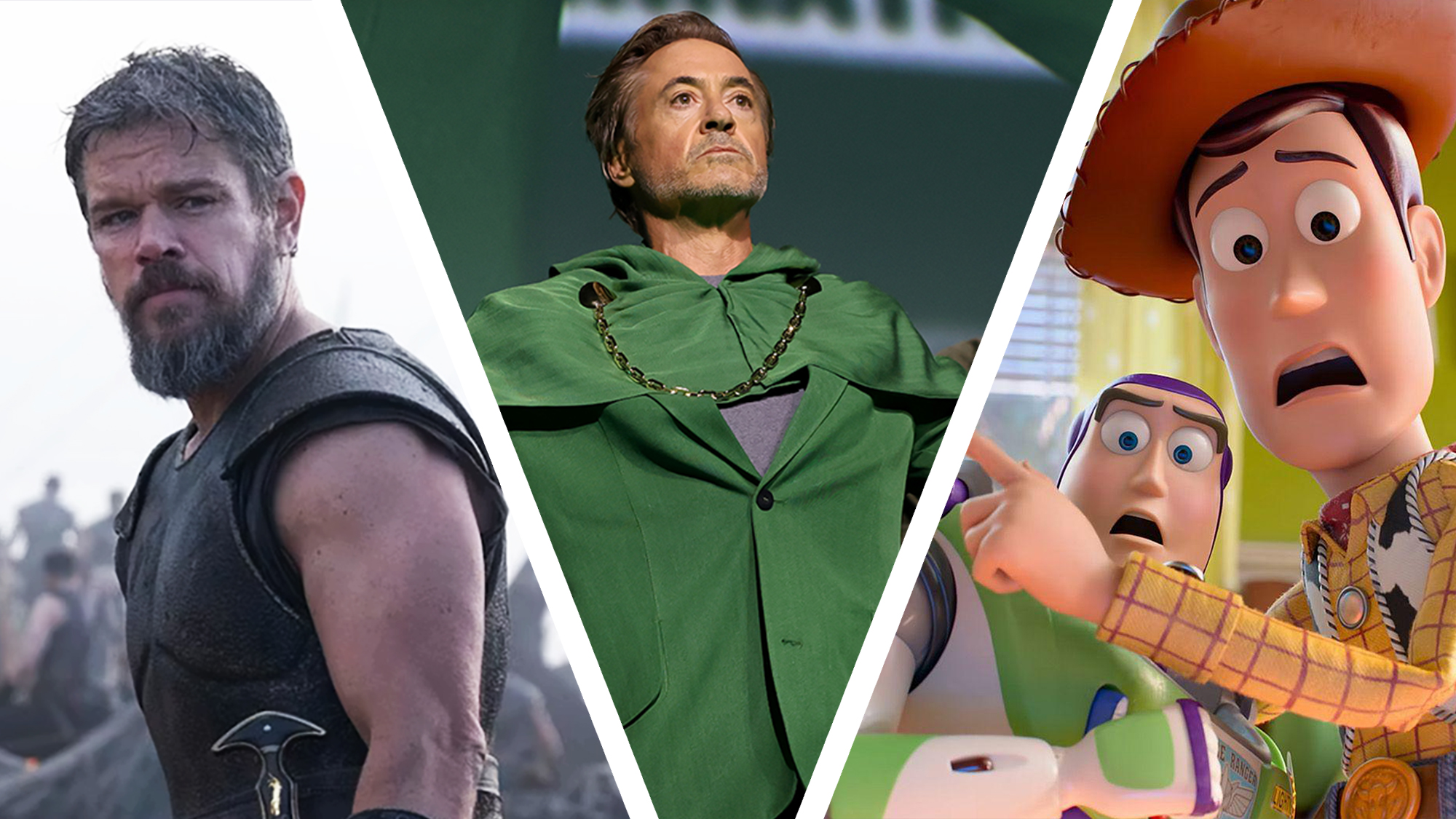
  • Toy Story 5 (June 19): Pixar’s ultimate safety net. While we all wondered if Toy Story 4 was the end, Pixar is doubling down on Woody and Buzz. Expect a technical marvel and a story that probably involves the toys dealing with the digital age. It's a guaranteed billion-dollar movie.

  • Supergirl: Woman of Tomorrow (June 26): Milly Alcock in a space epic that looks more like Dune than a typical cape movie. This is the James Gunn DCU really showing its teeth. It’s a cosmic journey that’s supposed to be cold, hard, and visually stunning.

  • The Odyssey (July 17): THE BIG ONE. Christopher Nolan. 100% IMAX cameras. Matt Damon, Tom Holland, Anne Hathaway. It’s a futuristic take on the Greek epic. Nolan doing a "space odyssey" again, but with his modern practical-effects mastery? This isn't just a movie; it’s a religious experience for cinephiles.

  • Spider-Man: Brand New Day (July 31): Tom Holland is back, and rumors say it’s finally the "street-level" story we’ve wanted. No Avengers, no Stark tech—just Spidey, Daredevil, and Kingpin in a war for NYC. This is the grounded Peter Parker we've been waiting for since Civil War.

  • Lanterns (HBO - August): Think True Detective but with Power Rings. Kyle Chandler as a veteran Hal Jordan mentoring Aaron Pierre’s John Stewart? This is the gritty, "boots on the ground" DC reboot I’ve been waiting for. It’s more of a murder mystery than a superhero show.

The Road to Doomsday (Fall/Winter)

  • The Social Reckoning (Oct 9): Aaron Sorkin writing a sequel to The Social Network about the Facebook Files and the era of misinformation? It’s going to be the most intense, dialogue-heavy movie of the year. Jeremy Strong as Zuckerberg is inspired casting—get the Oscar ready.

  • Chronicles of Narnia (Netflix - November): Greta Gerwig's take on Narnia. Netflix is reportedly giving this a massive theatrical window. After Barbie, Gerwig is the biggest director on the planet, and seeing her bring C.S. Lewis to life is going to be a holiday miracle.

  • Avengers: Doomsday (Dec 18): The main event. The Russo Brothers are back. RDJ is back... as Doctor Doom?! It’s the beginning of the end for the Multiverse Saga. We're expecting cameos that will make Endgame look small. This is the movie of the decade, and it will likely own the box office until 2027.

The Verdict: My Top 5 "Must-Watches"

If you only have time for a few (and honestly, how could you?), these are the ones I’m betting my soul on:

  1. The Odyssey: Never bet against Nolan. He’s the last director making "events" out of original ideas.

  2. Project Hail Mary: This could be the next Arrival or Interstellar. The "Gosling factor" is real.

  3. Spider-Noir: Because Nic Cage as a 1930s detective is the specific type of weirdness we need in a crowded market.

  4. Lanterns: HBO usually doesn't miss with prestige dramas, and the talent attached here is insane.

  5. Avengers: Doomsday: I mean... obviously. It’s the return of the kings.

2026 is going to be exhausting, expensive, and absolutely glorious. I’ll see you guys in the theater.

What are you screaming about the most? Let me know in the comments—I need to know I’m not the only one losing my mind over this lineup!

Saturday, January 3, 2026

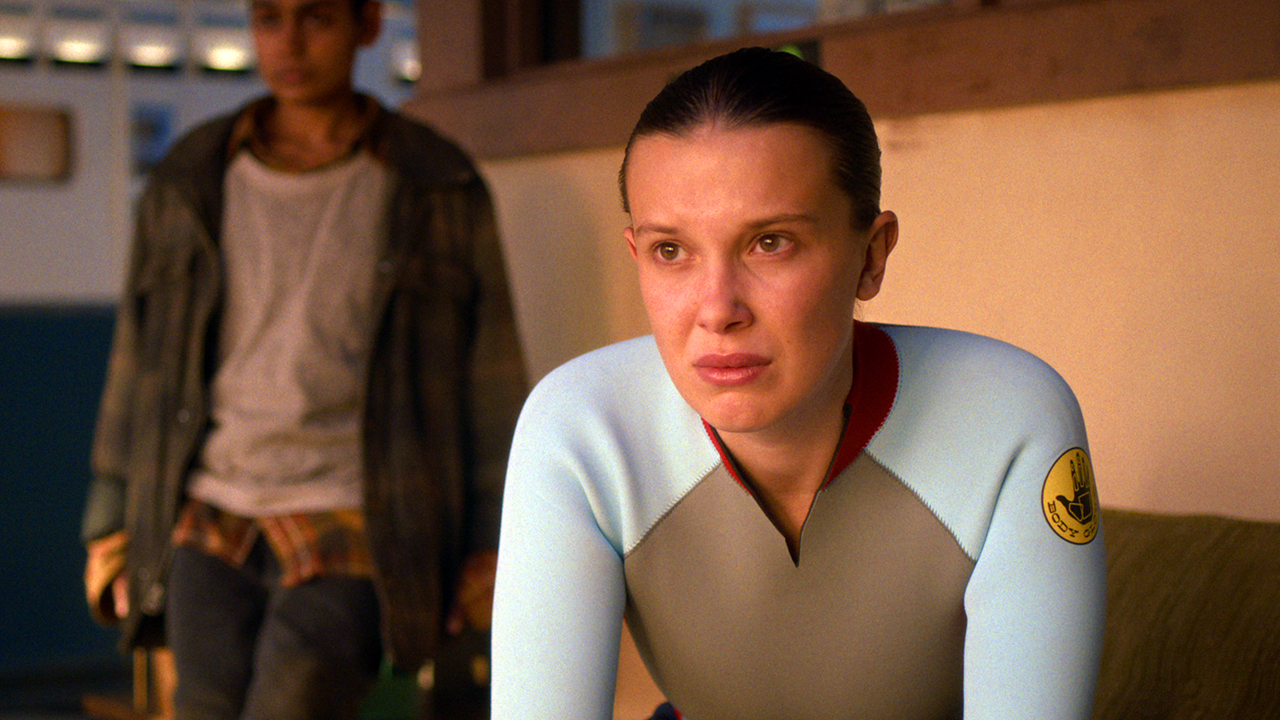
How Stranger Things Season 5 SHOULD Have Ended


Okay, guys. Now that the dust has finally settled on the Hawkins saga and we’ve all had a chance to breathe, we need to have a real, probably difficult, conversation.

For nearly a decade, this show hasn't just been "streaming TV." It was our cultural anchor. We watched these kids grow up in real-time. We stayed up until 3 AM dissecting frames for clues, theorizing until our brains hurt, and falling in love with a group of outcasts that felt like our own friends. So, when the credits finally rolled on the absolute end... why did it feel so hollow?

Look, it wasn't a total disaster. We didn't get "Game of Thrones-ed." The production was gorgeous, and the cast—as always—poured every ounce of their souls into it. But did it actually land? Did it pay off ten years of our lives? To be honest... I don’t think it did. It felt like the showrunners were so afraid of hurting us that they forgot that the best parts of Stranger Things always came from the pain and the high stakes.

I’ve spent the last few days replaying the scenes in my head, feeling this deep sense of "what if." I wanted an ending that left a bruise. I wanted an ending that respected the trauma these characters went through instead of just healing it with a time-skip and some upbeat music. So, as a massive fan who just can’t let it go, I sat down and wrote out the version of the ending I think we truly deserved.

(Massive spoilers ahead, obviously. Both for the real show and my own sanity-saving rewrite.)

1. The Villain Hierarchy: Henry was NEVER the boss.

One of the biggest letdowns for me was the reveal of the Mind Flayer’s "true nature." It felt so reductive, right? Turning this cosmic, eldritch horror—an entity that felt like a Lovecraftian god in Season 2—into a second-fiddle lackey for Henry Creel? It made the universe feel smaller.

In my version, we flip that script to make Henry even more terrifying. Henry has a god complex; we’ve known that since his monologue in the rainbow room. He’s obsessed with order, dominance, and the idea of a "predator" status. Instead of Henry being a pawn of the Abyss, the twist should have been that he reached a level of psychic darkness so profound that he was actually suppressing the Mind Flayer.

Think about it: the Mind Flayer wasn't "waiting" in the Abyss for all those years; it was being actively harnessed and shackled. This recontextualizes everything. Vecna isn't just a wizard borrowing power—he’s a tyrant who bent a literal cosmic force to his will. It raises the stakes for the final battle because we realize Henry isn't just fighting the kids; he’s holding back a tide of primordial chaos just so he can be the one to rule the ruins. When he loses his grip, the consequences aren't just his death—they're the end of reality as we know it.

2. The "True Form" Boss Fight (The Trap)

The finale we got felt a little scattered—jumping around different locations like a standard action movie without that mounting sense of "oh no, we’re actually doomed." I wanted a two-stage boss fight that would have left us breathless and physically exhausted just from watching it.

Phase 1: The False Victory. The group takes on Vecna in the physical world and the mental plane simultaneously. This needs to be visceral. I’m talking about memories being weaponized, the environment warping into a twisted version of the school dance, and the kids using every trick they’ve learned since 1983. It’s a coordinated, desperate effort. And they win. They kill him. The music swells, the "four gates" begin to close, and they’re all holding each other, sobbing with relief. We think it’s over. We think they’ve won the "safe" ending.

Phase 2: The Shadow Unleashed. This is the "Red Wedding" moment. By killing Henry, the group unknowingly breaks the leash. Without Henry’s human ego to contain it, the Mind Flayer returns to its true, ancient roots: The Shadow Entity. No more "meat spider," no more "creature feature." The sky over Hawkins doesn't just turn red; it turns a deep, bruised purple, and a massive, incomprehensible, swirling chaos begins to pour out of the rifts. It doesn't want to rule; it wants to erase. The victory turns to ash in their mouths as they realize that Henry Creel was actually the only thing keeping the real monster at bay.

3. The Hive Army: A Real Apocalypse

Where were the legions? For the "end of the world," the enemy presence felt a little thin in the actual finale. A few vines here, a bat there. I wanted the "Upside Down" to live up to the name—a literal mirror world of nightmares.

Once the Shadow is unleashed, the entire hive mind should have woken up in a frenzy. I wanted to see thousands of Demodogs pouring through the cracks in the streets of Hawkins. I wanted the sky to be literally blackened by swarms of Demobats so thick you can't see the sun. The landscape should be a living carpet of teeth and claws.

The group shouldn't be fighting to "save the day" at this point; they should be in a frantic, claustrophobic race for survival. Every shadow is a threat. Every corner of the town is infested. This forces the party into a high-speed retreat back into the heart of the Upside Down to try and seal the source, turning the final hour into a breathless suicide mission where winning isn't the goal—just surviving long enough to try one last thing.

4. The Heartbreaker: Will Byers Comes Home

We all knew a major sacrifice was coming, but the one we got felt... safe. It was a character we loved, but it didn't fundamentally change the DNA of the story. To me, Stranger Things started with Will Byers in that shed, and it had to end with him.

Imagine the group is cornered at the "mega-rift." The swarm is seconds away from tearing them apart. The portal back to the right-side-up is right there, but the Shadow is spilling through it, beginning to dissolve our world. Will realizes something the others don't—he can still feel the buzzing in his neck, louder than it's ever been. He realizes his connection to the Mind Flayer wasn't a curse; it was a tether.

He stops running. He lets go of Mike’s hand. While the others scream for him, he turns back toward the darkness and walks into the center of the storm. He uses his trauma, his "True Sight," and his unique link to the hive mind to force the Shadow back into the Abyss.

Will doesn't die as a victim. He dies as the hero who "held the door" from the inside. As the dimension collapses and the gate seals, the psychic backlash is too much for a human mind to bear. He saves Hawkins, but he belongs to the Upside Down now. It’s haunting, it’s permanent, and it brings his arc full circle: the boy who was taken finally chooses to stay so that no one else ever has to go missing again.

5. Eleven’s Soul: The Kali (008) Confrontation

The return of Eight felt like a checkbox in the real show—a brief cameo that didn't matter. But Kali and Eleven represent the two paths for a survivor: vengeful rage vs. protective love.

In my version, Kali returns as a dark mirror. Sensing the chaos, she arrives not to help, but to "recruit" El. She uses her illusions to play on El’s deepest insecurities, showing her visions of a world where the humans (the military, the townspeople) will always fear her and eventually turn on her. When Hopper tries to pull El back, Kali snaps. She forces Hopper to relive the death of his daughter, Sara, over and over in a cruel, psychological loop.

Eleven is forced to make a choice that defines who she is. To save her father, she has to use her powers to stop her sister permanently. There is no "superhero" pose here. It’s a messy, tragic, tear-filled moment. It solidifies that Hopper is her true family, but it leaves a permanent scar on her soul. She chooses love, but she learns that love requires the hardest sacrifices.

6. The Real Epilogue: No More Lab Rats

The 45-minute "goodbye" we got was far too soft. It felt like the ending of a different, gentler show where the government just lets "dangerous assets" go live in a cabin. The reality is, the US Military wouldn't just pack up their trucks because the monsters are gone. To them, Eleven is still a multi-billion dollar biological weapon.

Instead of a peaceful timeskip, the immediate aftermath of Will’s sacrifice should have been a final, rage-fueled stand against the human villains. Grief-stricken and done with being a "test subject," Eleven turns her full power on the arriving military forces led by Dr. Kay.

This gives the character of Dr. Kay a purpose—she becomes the final symbol of the "Lab." We see Eleven systematically dismantling the project. She’s not just killing; she’s liberating. She crushes the weapons, grounds the helicopters, and burns the files. It symbolizes the end of the "lab rat" era. She finally earns her freedom not because they gave it to her, but because she became too powerful for them to ever cage again.

7. Clarifying the Lore (Dimension X)

We shouldn't have to watch a stage play in London or read a comic book to understand the lore of a show we've invested a decade into. We needed a dedicated, visual sequence—perhaps triggered by Will’s final connection—showing young Henry’s arrival in Dimension X.

We needed to see the Abyss before it was the "Upside Down." We needed to see it as a neutral, beautiful, and terrifying ecosystem before Henry corrupted it with his own malice. Seeing Henry find the Mind Flayer and realize he could "shape" it would have grounded the entire series. It would have shown us that the monsters weren't "evil" until a human mind taught them how to be. Without this, the lore feels like a puzzle with the most important pieces missing.

Stranger Things will always be a legendary piece of pop culture. It defined an era of streaming and made us all nostalgic for a time many of us never even lived through. But "good" isn't "perfect," and "safe" isn't "satisfying."

I wanted a finale that had the grit and the narrative courage that made Season 1 and Season 4 so incredible. I wanted an ending that felt like a masterpiece—one that we’d still be debating twenty years from now, not just a "decent wrap-up" that we forget by next month.

But hey, that’s just my heart talking. What about you guys? Do you think the show was right to give everyone a "happy" ending, or were you like me—wishing for something a little darker, a little deeper, and a lot more like Will Byers? Let’s talk about it in the comments. I need to know I’m not the only one who still hasn't left Hawkins behind.

Friday, January 2, 2026

Stranger Things Season 5 Finale Explained: Did the Ending Deliver or Disappoint?


Well, guys... we did it. The final credits have rolled on Hawkins, Indiana. After a decade of obsession, wild fan theories, and enough 80s synth-pop to last a lifetime, Stranger Things is officially a memory.

I don’t know about you, but sitting through that massive two-hour-and-eight-minute finale felt less like watching a show and more like saying goodbye to a huge part of my own life. We’ve grown up with these kids. We’ve seen them go from playing D&D in a wood-paneled basement to literally fighting for the soul of the world. From the absolute terror of the Mind Flayer’s return to that 45-minute epilogue that just wouldn't let my tear ducts rest, there is so much to unpack. It wasn’t perfect, and my heart is still a bit of a mess, but we need to talk about how it all went down.

Eleven: Did we get a miracle or a heartbreak?

Let’s start with Jane. Our El. She’s always been the heart of this whole thing, hasn't she? Seeing her standing alone in the Abyss, holding the gateway together while everything literally tore apart... it felt like the "Chosen One" weight she's carried since that first sensory deprivation tank was finally going to crush her. When she disintegrated, I think my heart actually stopped. It felt like the show was finally demanding the ultimate price for all those years of trauma.

But then, the Duffers gave us that 18-month jump and a choice. Mike—bless his hopeful, stubborn heart—thinks she’s out there. He’s convinced Eight helped her fake her death using a massive, coordinated psychic illusion to escape the military and the Hivemind. He pictures her living in that "waterfall paradise" they once visualized together.

Part of me wants to scream, "Yes! She finally got her peace! She's eating Eggos by a campfire somewhere!" But another part of me wonders if Mike is just stuck in the ultimate stage of grief. Is that woman in the sun-drenched distance real, or is it just the story Mike needs to tell himself so he can keep breathing? It’s a "player’s choice" ending that feels both beautiful and incredibly cruel. If she’s alive, the world’s mourning feels like a lie; if she’s gone, Mike’s ending is the most tragic coping mechanism I’ve ever seen.

The Mind Flayer, Will, and the Power of a Mother’s Love

I’ll be honest: I’ve spent years arguing on Reddit about whether Vecna or the Mind Flayer was the "true" boss. Seeing that they were basically a symbiotic mess of malice—the beast providing the power and Henry providing the human spite—was such a satisfying "aha!" moment. It made the threat feel so much more personal.

But the real highlight for me? Will Byers. For seasons, it felt like Will was just the victim, the "boy in the walls." But seeing him complete that journey, using his lingering connection to the Hivemind to act as a psychic anchor for Henry, was the redemption he deserved. This was a battle of "Will" in every sense.

And Joyce... man, Winona Ryder killed me. Seeing the mother who refused to stop looking in the dark—the one who hung the lights and chopped through the walls—finally be the one to extinguish that darkness? That’s poetic justice. The collapse of the Upside Down wasn't just a sci-fi explosion; it was the total dissolution of a nightmare that could no longer survive without a central consciousness. It was a family finally taking their lives back from the void.

The Tragedy of Kali (Eight): A Debt Unpaid

I know some people weren't sure about her back in Season 2, but seeing Kali come back as the "wild card" was amazing—which made her end so much harder to swallow. She emerged not just as a survivor, but as the target of the remaining "Department of Energy" thugs led by Dr. Kay. Her mastery of illusion was the only reason the crew even made it to the final battleground.

I’m actually a little mad about how she went out. It felt like she was "fridged" during the military raid just to give El that final spark of rage. It’s a grim reminder that even when the monsters are dead, the human institutions that created them are rarely held accountable. Kali died a fugitive, never getting to see the "Right Side Up" without a target on her back. She’s the reminder that for the lab children, there was never a "normal" life waiting on the other side. Her sacrifice was the emotional spark El needed, but it left a bitter taste in my mouth.

The Longest Goodbye: That 18-Month Epilogue

The show took a page out of Lord of the Rings and gave us nearly 45 minutes of closure. And honestly? I needed every second of it. This wasn't just a "where are they now" montage; it was an exploration of how you survive the day after the world almost ends.

  • Steve Harrington: Can we talk about how he ended up alone but somehow... better? For years, we theorized about who he’d "win"—Nancy? Someone new? But Steve’s fulfillment didn't come from a romance. He found his purpose as a mentor and a teacher. He transitioned from the hair-obsessed jock to the pillar of the community, becoming the man he never had as a father. I’m so incredibly proud of him.

  • Nancy & Jonathan: This hurt, but it felt so grounded and real. They survived the literal Upside Down together, but Nancy’s drive for a high-stakes journalism career and Jonathan’s return to his artistic roots showed that survival sometimes means moving in different directions. It was a bittersweet, "grown-up" kind of ending.

  • Dustin & the Weight of Grief: Dustin’s arc in the finale was the most heartbreakingly realistic. He’s the one carrying the trauma of Eddie Munson and the weight of the war. You can see it in his eyes; he’s grown up too fast. Watching him mentor Holly Wheeler and the "Next Party" felt like a passing of the torch, but he’s doing it with the scars of someone who’s seen too much.

Final Thoughts from the Basement

Look, I’ll admit, the introduction of "Exotic Matter" and the mechanics of the "Abyss" felt a little like a late-game video game quest. It got a bit "standard action movie" toward the end, lacking some of that grounded, shadows-in-the-hallway horror of the early seasons. But the truth is, we didn't fall in love with this show because of the pseudo-science or the inter-dimensional physics.

We fell in love with four kids on bikes. We fell in love with a girl with a bloody nose and the idea that friendship is the only force capable of standing against the void. The finale ends with Holly Wheeler and her friends starting a new D&D campaign in that very same basement. It’s a cycle. Vecna might be gone, but the "Stranger Things" of the world are a permanent part of being human. The monsters change, but the need for a "Party" to fight them remains.

It wasn’t a perfect ending, but it was an honest one. It respected the characters we’ve spent a decade loving.

So, what are you guys feeling now that the dust has settled? Are you Team Waterfall, believing El finally got her quiet life, or do you think Mike’s story was just a beautiful lie? Was the high-concept lore a hit for you, or did you miss the simpler days of Season 1? Let’s hang out in the comments and process this together. Friends don't lie... and friends don't let friends grieve a series finale alone.

Stranger Things Season 5 Volume 3: Ending Explained, Breakdown & Review


I’m sitting here, staring at a blank screen, and honestly? My hands are still shaking. We knew this day was coming. We’ve talked about it for years, theorized until our heads hurt, and dreaded the moment the credits would roll for the last time. But nothing—and I mean nothing—could have prepared me for the emotional wrecking ball that was Season 5, Volume 3.

It’s not just the end of a show. It’s the end of an era. It feels like saying goodbye to friends I’ve grown up with since 2016. From that final, reality-shattering showdown with Vecna to the moment we realized who was actually pulling the strings, "The Crawl" didn’t just give us answers—it gave us a lot of scars.

Let’s grab a metaphorical Coke and a box of tissues and break down what just happened to our hearts.

Solving the Mystery: It Was Never Just a "Dark Version" of Hawkins

For years, we argued about what the Upside Down actually is. Is it a parallel dimension? A time loop? A physical manifestation of grief?

The truth was so much more beautiful and tragic than I imagined. Seeing Eleven essentially "sculpt" the Upside Down out of the raw, primordial chaos of Dimension X using her own psychic trauma... it hit me like a ton of bricks. It explains why it was frozen on the day Will went missing. That wasn't just a random date; it was the moment her pain became a bridge, turning a cosmic wasteland into a snapshot of the home she was desperately trying to find. It’s a literal manifestation of her isolation.

And don’t even get me started on Dr. Brenner’s true legacy. Learning that his obsession wasn't just "mad scientist" vanity, but a desperate, twisted attempt to follow his father into the shadow? It makes him even more of a monster, but a human one. He spent his life trying to weaponize the "shadow" for the Cold War, never realizing he was just a man chasing a ghost. He didn't see El as a daughter—he saw her as a key to a vault he was too scared to open himself.

The Big Debate: Who’s the Boss?

We’ve been screaming at each other on Reddit for years: Is Vecna the king, or is he a puppet?

The finale finally put that to bed, and the answer is chilling. Seeing Henry Creel wander Dimension X as a lost, vengeful boy broke my heart a little, even though I know he’s a monster. He didn’t create the Mind Flayer; he found a "god" in the clouds of shadow particles and gave it a shape based on his own childhood nightmares—those spiders he was so obsessed with.

Henry and the Mind Flayer are two halves of one dark whole, but the show made it clear: the Mind Flayer is an eldritch, formless horror that exists beyond human concepts of "evil." Henry just gave it a face and a target. It’s a terrifying symbiotic relationship where the "god" found its prophet, and together they tried to unmake the world.

The Battle for Our Souls (and Steve's Life)

When the finale split the gang into four teams, the tension was physically painful. That "Inception" style sequence where Mike, Will, and El entered Henry’s mind was a masterclass in surreal horror. Navigating those "dream layers" and nightmare loops felt like a love letter to 80s dream-logic movies, but with way higher stakes.

And can we talk about that Steve moment? I think I actually stopped breathing when it looked like the hive mind finally got him. I was ready to throw my TV out the window. But seeing Jonathan—of all people—be the one to pull him back? That was the closure I didn't know I needed. Seeing them finally drop the "love triangle" nonsense and realize that their bond as "brothers-in-arms" is more important than their past rivalry? That’s growth. That’s the maturity we’ve been waiting a decade to see.

"Purple Rain" and the Ultimate Sacrifice

I’m still dehydrated from crying during Eleven’s final scene. The choice of Prince’s "Purple Rain" as the world seemed to be ending was inspired. It wasn't just a song; it was a prayer for peace in the middle of a storm.

When El realized the gate had to be closed from both sides and chose to stay behind, I felt that loss in my chest. We’ve watched this girl go from a scared kid who could barely speak to a woman who would give up her entire existence for her friends. Mike’s refusal to believe she’s gone—his "no body was found" optimism—is the only thing keeping me going right now. He knows her. He knows she’s a fighter. If there’s a way to "Super Mario" through a pocket dimension to survive, she found it. She has to be out there.

18 Months Later: Healing is Messy

The epilogue was bittersweet, showing us a Hawkins that is scarred but still standing. Seeing the "Great Rift" being filled in felt like a metaphor for the characters trying to fill the holes in their own lives.

But the scene that truly ruined me? Will. Seeing Will Byers—the kid who was always the victim, the kid who was always "wrong" or "different" or hiding part of himself—finally on a date, finally at peace? I’ve never wanted a fictional character to be happy more than him. He finally got to step out of the shadow of the Mind Flayer and just be a person.

Ending it all around that D&D table in the basement was the perfect full-circle moment. It reminds us that whether the monsters were "real" or just metaphors for the trauma of growing up, the loyalty those kids found in each other is the only thing that actually matters. Mike acting as the DM for a new generation felt like the torch being passed.

Was it Perfect?

Look, I’ll be the first to admit that splitting the season into volumes felt like a bit of a tease. It leaked some of the tension, making the wait feel like an eternity. And yeah, maybe it’s a little "safe" that the main six survived—part of me expected a Red Wedding style bloodbath. I also really, really missed having one last big, quiet scene between Hopper and El to bookend their father-daughter journey.

But honestly? None of that matters compared to the feeling of that final "roll." The Duffers turned a small-town mystery into a cosmic horror epic without ever losing sight of the kids at its center. They showed us that while you can defeat the monsters, the scars they leave stay with you forever.

I’m not ready to leave Hawkins. I don’t think I ever will be.

What are you guys feeling? Are you as much of a mess as I am? Do you think Eleven is living in a cabin in some "Dimension Y" waiting for Mike to find her? Or is Vecna still a part of the static in the air? Let’s talk about it, because I literally cannot process this alone.

Fallout Season 2 Episode 3 Breakdown: New Vegas Easter Eggs, The Legion’s Return, and Ending Explained


Seriously, if you thought the wasteland couldn't get any more twisted or morally grey, this episode just blew the doors off the vault. For those of us who grew up playing Fallout: New Vegas, this wasn't just another hour of television—it felt like a homecoming. It’s a literal love letter to the fans, finally cracking open the lore of the Mojave in a way that’s both nostalgic and, honestly, a little terrifying.

From the brutal, iron-fisted hierarchy of Caesar’s Legion to the corporate ghosts of Mr. House, the show isn't just "referencing" the games anymore; it's living in them. But it’s not just the Easter eggs that got me—it’s the heart. We’re watching these characters we’ve grown to love go through absolute hell. Thaddeus is falling apart, Maximus is breaking his chains, and The Ghoul? Man, Walton Goggins is making us feel the weight of 200 years of loss in every single frame.

Let’s dive into the details that had me screaming at my screen.

The Mojave Soundtrack: More Than Just a Vibe

That opening needle drop? Sam Cooke’s "Chain Gang." It was perfect. On the surface, the clanging beat fits the forced labor we see perfectly. But did anyone else catch the deeper cut? Samuel Cooke is a character from the NCR Correctional Facility in New Vegas. It’s those tiny, "if you know, you know" details that prove the showrunners actually care about the source material.

It sets a heavy tone immediately: this is a world of prisoners. Whether they’re in literal chains at a labor camp or just stuck in the psychological cages of their own trauma, no one is truly free in the Mojave. It’s a rhythmic, soul-crushing reminder that in the wasteland, the grind never stops—it just changes management.

Thaddeus, Sunset Sarsaparilla, and the Dark Side of Capitalism

Seeing Thaddeus in an abandoned bottling plant was a trip. For us, Sunset Sarsaparilla is the iconic root beer we’ve spent hours hunting "Blue Star" caps for, hoping to find Festus and get that legendary prize. But seeing it in the show? It was a total gut punch.

Thaddeus is basically "farming" caps using child labor. It’s that classic Fallout satire—taking something we find fun in a game (collecting currency and scrounging for rare items) and showing the ugly, human cost of it in the "real" wasteland. It makes you feel a bit dirty for all those hours spent scavenging, doesn't it? It’s a biting critique of how the "old world" systems of exploitation just naturally grow back like weeds in the dirt. Thaddeus thinks he’s building a kingdom, but he’s really just recreating the same corporate nightmare that helped end the world in the first place.

Is Thaddeus... Becoming a Super Mutant?

My heart honestly breaks for Thaddeus. Johnny Pemberton is playing the "body horror" so well—balancing that weird, manic comedy with genuine, raw terror. But look at the signs: that serum healed his foot instantly. Ghouls don't usually regenerate like that; they just stop rotting or heal slowly through radiation. This feels like FEV (Forced Evolutionary Virus) through and through.

Are we watching the birth of a Super Mutant? If he turns into a tragic monster by the end of the season—maybe a confused, hulking version of the kid we know—I’m going to be devastated. The way he’s starting to exhibit that erratic, "tyrant-lite" behavior is a classic early sign of FEV-induced mental instability. We might be losing the Thaddeus we knew to something much more dangerous.

The Legion Is Back (and it's a Beautiful Mess)

When Lucy got captured by the Legion, my jaw hit the floor. The production design nailed that "football pads and scrap metal" look, but they managed to make it look intimidating rather than silly. But the real emotional kicker? Caesar is dead. Whether it was the brain tumor we all tried to heal (or remove) in the game, or just the inevitable march of time, the "Son of Mars" is gone. Now, the Legion is eating itself alive in a bloody succession crisis. Seeing Macaulay Culkin as a potential heir—maybe a version of a young, charismatic Legate—was an inspired casting choice. He brings this unsettling, calm energy to a faction known for mindless brutality. And Lucy "Vault-splaining" Latin grammar to them while they’re holding her captive? That’s the most "Lucy" thing ever. It was hilarious but also highlighted the central irony of the Legion: they are just cosplayers pretending to be Romans without understanding the soul of the culture they mimic.

The Ghost of Mr. House: Man or Machine?

That pre-war flashback with Justin Theroux as Robert House? Chilling. He has that "smartest man in the room" energy that feels so dangerous. But here’s my theory: is that the real Robert House?

In the games, House was a recluse who used proxies and Securitrons to do his dirty work. I think the man we're seeing in these flashbacks might be a "public face," a body double for the RobCo corporation, while the true genius is already preparing his life-support chamber. It makes The Ghoul’s mission feel even more tragic—he might be chasing a phantom or a corporate brand, while the real mastermind is tucked away in the Lucky 38, safely behind his concrete walls, waiting for the bombs to drop so his "real" game can begin. The level of manipulation here is next-level.

The Tragic State of the NCR: A Fallen Giant

Seeing Camp Golf in ruins actually hurt. In the games, that was a symbol of NCR power and luxury—a thriving base for the elite Rangers. Now? It’s a ghost town. Seeing a rusting, glitching Victor the Securitron say "Howdy, partner!" while his screen flickers... man, that stung.

It reinforces the show's biggest theme: "War never changes." Even the "civilized" factions like the New California Republic eventually crumble under the weight of their own bureaucracy and overexpansion. The "Dead Dead Dead" graffiti on the walls isn't just a warning; it felt like a tombstone for our hope that a democratic government could actually bring lasting order to the wastes. It’s a grim reminder that in Fallout, nothing—not even a Republic—lasts forever.

Maximus Finding His Soul in the Dark

Maximus killing Xander to save Thaddeus and those kids was the moment I’ve been waiting for all season. For so long, he’s been obsessed with "being a Knight," but he finally realized that the Brotherhood's "code" is just a leash used to make them hoard technology and ignore human suffering.

He’s a wild card now. For the first time, he’s acting out of genuine empathy rather than a desperate desire to belong to a tribe. It’s the most heroic thing he’s done, even if it makes him a traitor in the eyes of the only family he has left. He’s choosing humanity over the machine, and that transition is powerful to watch.

That Ending... Pure Mojave Chaos

The Ghoul rigging the Legion camp with dynamite? That’s peak New Vegas gameplay. It was a classic "man with no name" move, but you could tell it was deeply personal. He isn't just causing a distraction; he’s upending the entire balance of power in the region just to give Lucy a chance.

He’s willing to set the whole Mojave on fire just to protect the one person who still looks at him like a human being rather than a monster. It’s a tactical masterstroke that likely reignited the war between the Legion remnants and whatever is left of the NCR. The drifter lit a match, walked away, and let the world burn behind him.

This episode didn't hold our hands, and I love it for that. It showed us a world with no easy answers, no "Golden Ending," and no clear winners. Just people trying to survive the long, radiating consequences of a war that technically ended two centuries ago, but in reality, never stopped.

What are your theories? Is Thaddeus going full Super Mutant? Who’s really pulling the strings behind the new Legion "Caesar"? And can the NCR ever recover from this? Let’s talk about it in the comments—I need to know I'm not the only one spiraling over this!

MOST FAVOURITES

SUPERGIRL SUPERMAN TRAILER BREAKDOWN