Welcome to Ending Decoding

My photo
Welcome to Ending Decoding, the ultimate destination for fans who want to look beneath the surface of their favorite stories. this blog was born out of a passion for deep-dive storytelling, intricate lore, and the "unseen" details that make modern television and cinema so compelling. Whether it’s a cryptic post-credits scene or a massive lore-altering twist, we are here to break it all down. At Ending Decoding, we don’t just summarize plots—we analyze them. Our content focuses on: Deep-Dive Breakdowns: Analyzing the latest episodes of massive franchises like Fallout, A Knight of the Seven Kingdoms, and the wider Game of Thrones universe. Easter Egg Hunting: Finding the obscure references to games and books that even the most eagle-eyed fans might miss. Theories & Speculation: Using source material (like the Fire & Blood books or Fallout game lore) to predict where a series is headed. Ending Explained: Clarifying complex finales so you never walk away from a screen feeling confused.

Monday, January 19, 2026

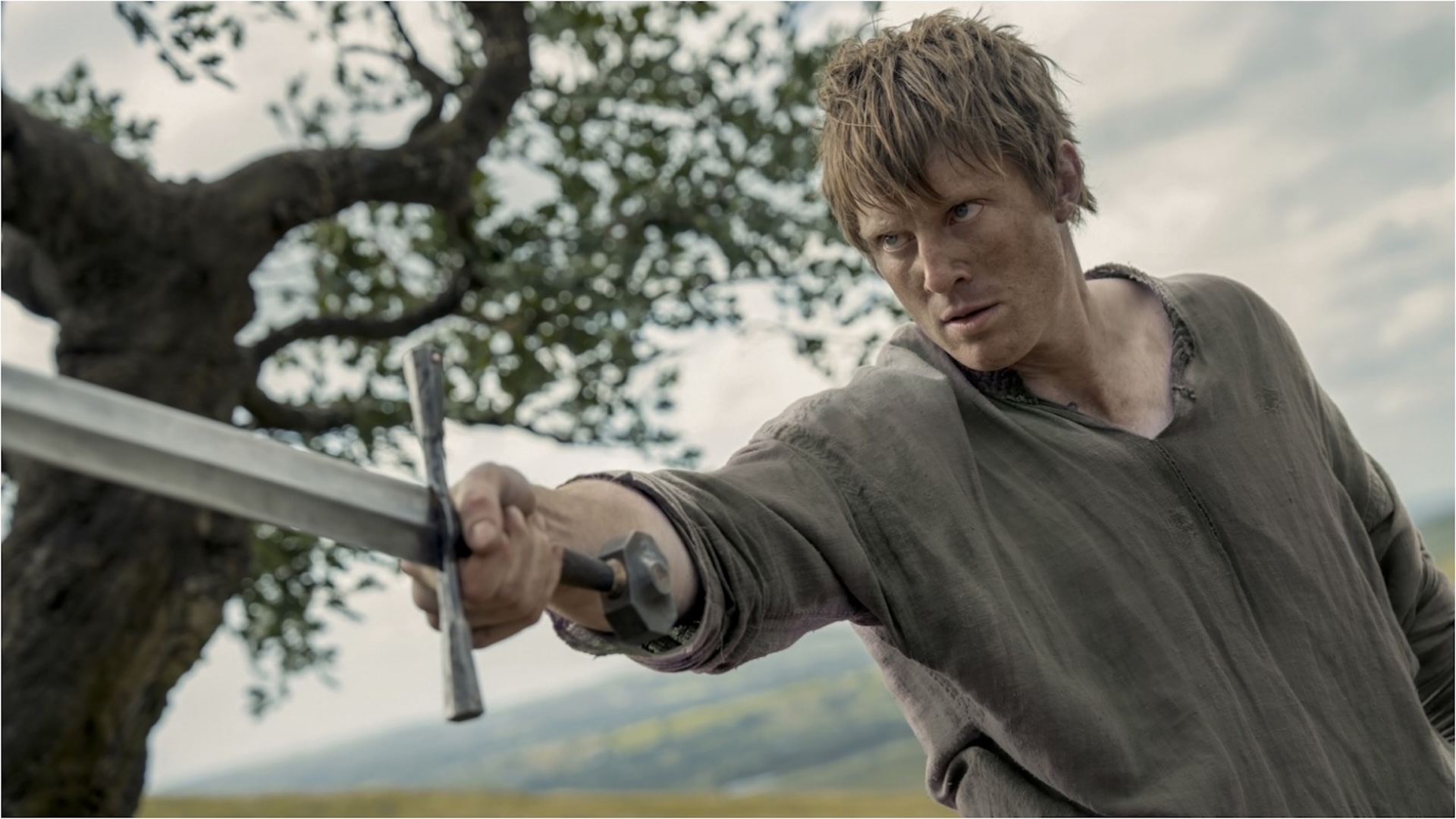
A Knight of the Seven Kingdoms Episode 1 Breakdown: Ending Explained & Game of Thrones Easter Eggs


Guys, take a deep breath. We are finally back.

But let’s be real—this isn’t the Westeros we’ve been traumatized by for the last decade. A Knight of the Seven Kingdoms just dropped, bringing George R.R. Martin’s beloved novella The Hedge Knight to life, and honestly? It’s the breath of fresh air I didn’t know I needed.

Think about it: for years, we’ve been conditioned to expect the apocalypse. We aren’t watching the White Walkers march on the Wall to end humanity. We aren’t watching dragons burn entire cities to ash or political heavyweights play 4D chess for the Iron Throne while casually murdering their relatives. This is… quiet. It’s funny. It’s got heart. If you were worried this franchise was running out of steam after the heavy, grimdark war drama of House of the Dragon, let me stop you right there.

The premiere is fantastic. It feels less like a war documentary and more like A Knight’s Tale meets a classic western. It captures that specific, whimsical feeling of a squire just trying to find his place in a massive world. The visuals are brighter, the grass is greener, and the summer sun is actually shining. The stakes aren’t "Who sits on the Throne?"—the stakes are "Can Dunk get a meal? Can he find a warm bed? Can he keep his honor in a world that barely has any left?"

Let’s dive into Episode 1—the timeline, the deep lore, the Easter eggs that made me scream at my TV, and what that ending actually means for our boys.

Wait, When Are We? (The Timeline Check)

To really get the vibe, you have to know when we are, because the era dictates the atmosphere. This is 209 AC. It’s this weird, beautiful little pocket of peace in history, but it’s a fragile peace.

  • 77 years AFTER House of the Dragon: The Dance of the Dragons is ancient history. It’s a bloody memory that grandparents tell their grandkids. The dragons are gone, and the Targaryen dynasty has had to pivot from ruling through fire and fear to ruling through politics and marriage.

  • 89 years BEFORE Game of Thrones: No Robert’s Rebellion yet. The Starks are chilling up North, the Baratheons are loyalists, and the Targaryens are everywhere. There are so many Targaryen princes running around that they are tripping over each other.

The biggest mood setter? The opening scene. We see that dragon skull surrounded by three eggs. It hit me right in the chest—it’s a reminder that the magic is fading. The Targaryens aren’t gods riding monsters anymore; they’re just people. Messy, political, vulnerable people.

King Daeron II (The Good) is on the throne. But the realm is recovering from two major traumas. First, the Blackfyre Rebellion, a civil war where the realm was split in half between the Red Dragon (Targaryen) and the Black Dragon (Blackfyre). It pitted brother against brother, and those wounds haven't fully healed. Second, the "Great Spring Sickness," a plague that wiped out tens of thousands, including the previous king. So while it looks sunny and peaceful at Ashford, you can feel the tension simmering underneath. Everyone is just trying to recover, and one wrong move could tear the scab off these old wounds.

The Heart of the Show: The Hedge Knight

So, what even is a "Hedge Knight"? The show explains it, but there’s a tragic romance to it that I love. It’s a class struggle we rarely see in this universe.

Dunk (Ser Duncan the Tall) isn’t Jaime Lannister. He isn’t Loras Tyrell in gold armor with a castle to go home to. He’s basically homeless. Hedge knights are the gig workers of Westeros—wandering warriors with no master and no land, sleeping "in the hedges" or under the stars because they can’t afford an inn. They are looked down upon by the high lords and feared by the peasants.

This is why I love Dunk immediately. He’s an underdog in the truest sense. Most hedge knights turn into bandits ("robber knights") when they get hungry enough, but Dunk? He holds onto the code of chivalry tighter than the high lords do. He’s got holes in his boots, his tunic is threadbare, and his stomach is growling, but his honor is ironclad.

He inherited that from Ser Arlan of Pennytree, the old man we see him burying in the opening scene. That moment was so quiet and somber. It established Dunk’s isolation perfectly. He didn't just lose a master; he lost his father figure, his only link to the world.

He’s got nothing but some battered armor that doesn't quite fit, three horses (Thunder, Chestnut, and Sweetfoot—I love that they kept the names!), and a dream to compete at Ashford. He could have sold the horses and lived easy for a year. He could have given up. But he didn’t. That refusal to take the easy path tells you everything you need to know about him. He is the definition of "Oak and Iron."

Enter Egg: The Duo We Deserve

Then, at the inn, we meet Egg.

The chemistry? Instant.

While Dunk is this towering, gentle giant who is a little naive and slow to anger, Egg is this tiny, bald, sharp-tongued kid who knows way too much about heraldry and history. It flips the usual script—usually, the knight is the wise mentor and the squire is the bumbling student. Here, Dunk is the muscle and the moral compass, but Egg is the brains.

When Dunk tries to leave him behind because he can’t afford a squire, it’s out of kindness. He barely has enough food for himself. But Egg’s persistence—and sneaking along for the ride—is the start of the most iconic friendship in this universe. You can see Egg studying Dunk, analyzing him, trying to figure out if this huge man is actually as decent as he seems.

Quick Easter Egg: Did you catch Dunk looking at the shooting star and calling it luck? In Westeros, comets usually mean disaster (remember the Red Comet in GoT season 2?). Here, it’s a symbol of a legend rising. A star is born, literally. It connects the heavens to the dusty road Dunk is walking.

The Ashford Tourney: Fan Service Done Right

The Tourney at Ashford Meadow was a feast for lore nerds. The production design here is insane—the heraldry is everywhere. Seeing these houses in their prime was incredible.

  • The Laughing Storm: Lyonel Baratheon! Did you see him laughing while he fought? The charisma was off the charts. You can see exactly where Robert and Renly got their personalities. He treats Dunk like a person, not a peasant, which is such a Baratheon move—valuing strength and spirit over strict protocol. He represents the best of the storm lords.

  • The Fossoways: The apple puns! "Rotten to the core!" Seeing the tension between the cousins that leads to the "Red Apple" vs. "Green Apple" split was a deep cut for the book readers. It’s a small family drama playing out in the background of the larger story.

  • The Puppeteer: Dunk falling for Tanzelle was sweet, but the puppet show about Serwyn of the Mirror Shield was the thematic heavy hitter. It’s about a hero defeating a dragon by using his shield as a mirror so the dragon would only see itself. This mirrors exactly what Dunk has to do. Not a literal dragon, but the "dragons" of the royal family—specifically the monstrous vanity of Aerion.

  • Baelor Breakspear: We also got a glimpse of Prince Baelor Targaryen, the Hand of the King. He is everything a Targaryen should be: dark-haired (from his Dornish mother), just, strong, and noble. He stands in stark contrast to his nephew, Aerion. Baelor is the hope of the realm, the man everyone expects to be the greatest King since Aegon the Conqueror.

The Twist and The Ending (SPOILERS!)

Okay, we have to talk about the ending. Major Spoilers incoming.

If you haven’t read the books, that reveal might have floored you. The "stable boy" Egg? That’s Prince Aegon Targaryen, the youngest son of Prince Maekar.

And the drunk guy at the inn? Prince Daeron, Egg's older brother. His "dream" about Dunk wasn’t the booze talking; it was a Dragon Dream. He foresaw a great knight and a dead dragon, which terrified him into a bottle of wine.

Egg shaved his head to hide his Valyrian silver hair. He’s hiding because he wants to see the real world—not the high walls of the Red Keep. This is why Egg is going to be special. He’s learning what it means to be smallfolk. He’s seeing the hunger, the cold, and the injustice up close. This journey is his education.

The Villain: Aerion Brightflame

God, I hate this guy. Prince Aerion is the anti-Dunk. He is a monster dressed in silk and bright enamel. He thinks his dragon blood makes him a god among insects. When he broke Tanzelle’s fingers just because a puppet dragon "died"? My blood was boiling. It was petty, cruel, and showed exactly what happens when power goes unchecked.

But when Dunk stepped in? When he struck a royal prince to save a commoner? I cheered. It was the most satisfying punch in Westerosi history. Dunk didn't think about the consequences; he just saw injustice and stopped it.

But now, the reality sets in. Striking a royal is a death sentence. Dunk should be losing a hand or his head. But because Egg intervened and revealed himself, the game changed. Aerion, being the coward he is, demanded a Trial of Seven.

This isn’t a normal duel. It’s seven knights against seven. It’s ancient, it’s bloody, and it’s insanely dangerous. The last time this happened was during the reign of Maegor the Cruel. The season is setting up Dunk’s desperate race to find six other men willing to bleed for a hedge knight against the royal family. Who in their right mind would fight against the King's own grandsons?

Final Thoughts

This show successfully stripped away the grand politics and gave us heart. It’s a smaller story, but it feels massive because we care about the people involved.

If you were looking for the magic of early Game of Thrones without the cynicism, this is it. We are witnessing the origin story of a future King (Egg) and his Lord Commander (Dunk), and I am fully strapped in for the ride. The road ahead is long, and if the books are any indication, it's going to be one of the best stories ever told on TV.

Can next week get here already?

Fallout Season 2 Episode 5 Breakdown: The Truth About Mr. House & New Vegas Easter Eggs Explained


If you’re reading this, I hope you’ve recovered, because I absolutely haven't. I've been staring at my screen for twenty minutes just trying to process the sheer amount of lore they crammed into one hour.

Episode 5 wasn't just "good television"—it was a love letter, a punch in the gut, and a lore-bomb dropped right on our heads all at once. If Season 1 was the hook, this episode was the moment Fallout stopped being just an adaptation and became essential canon. We aren't just watching plot points connect anymore; we are watching the history of the wasteland get rewritten in real-time. From the return of the absolute worst nightmare of the Mojave to that meeting with Robert House, my brain is fried. Let’s pour a Nuka-Cola and talk about it, because I have feelings.

That Deathclaw Scene gave me PTSD (Post-Traumatic Sloan Disorder)

The second I saw where Lucy and The Ghoul were standing, my gamer instincts started screaming. The geography looked too familiar. The rocky, terrifying terrain? That was Quarry Junction.

If you played New Vegas, you felt that phantom pain in your soul. We’ve all been there: being a low-level courier, thinking you can take a shortcut to the Strip, and suddenly seeing that red tick mark on your compass before getting absolutely obliterated. The show nailed that sheer, primal panic. Seeing a full family unit—including the terrifyingly agile baby Deathclaw—was a stroke of genius. It reminds us that these aren't just movie monsters; they are apex predators reclaiming their territory.

And the way the Alpha rose out of the ruins of the Gomorrah casino? Pure visual poetry. It’s Las Vegas, the City of Sin, and the demons are finally rising up from the subterranean pits to claim it. Gomorrah was a city destroyed by God for its wickedness in the Bible, and here, the "demon" is literally emerging from its remains. Even The Ghoul, a man who has survived two centuries of nuclear hell, immediately looked for heavy ordinance. When a guy like Cooper Howard asks for a rocket launcher, you know the vibes are officially cursed.

Freeside: It’s Ugly, It’s Dirty, It’s Perfect

Can we talk about the production design for a second? Walking into Freeside felt like stepping directly into my memories, but in 4K. It was crowded, filthy, and vibrant in a way the old game engine could never quite pull off. The scale of the "Old Mormon Fort" as the King's HQ finally felt as imposing as it should.

The background details were a total feast for the eagle-eyed:

  • The King’s School: I literally cheered when I saw the building. I’m still hoping for a cameo from a pompadoured Elvis impersonator in the next episode.

  • Mick & Ralph’s: The sign was so prominent on the left. I was half-expecting a prompt to pop up asking if I wanted to see their "special stock" or get a fake passport for the Strip.

  • The Golden Globes: Okay, did anyone else burst out laughing? That is such a deep cut to Fallout 2. Seeing a New Reno porn studio brand transplanted to Freeside is exactly the kind of dark, raunchy, "anything goes" humor that proves the writers actually get the DNA of this franchise.

  • The Atomic Wrangler: The neon was spot on. Seeing the poster for "Maxis" the magician and "Joey Baxter" (a cut character from the Dead Money DLC) felt like the showrunners were winking directly at us.

And the guy holding the "Beat me up for caps" sign? That broke my heart a little while perfectly capturing the desperate, "dignity is dead" vibe of Freeside. It captures a world where human life has a literal price tag, and usually, it's a cheap one.

The Tragedy of Cooper Howard: A 200-Year Hunt

We need to talk about The Ghoul, or rather, Cooper. The revelation about the "Management Vault" completely reframes his character for me. He isn't just a wandering bounty hunter drifting through the wasteland to survive; he is on a precise, calculated hunt.

When he mentioned searching California and Oregon (shoutout to the settings of Fallout 1 and 2!) only to find them empty, it hit me: he's been looking for his family for two centuries. The theory that there’s only one Management Vault per state makes so much sense—elite bunkers for the "Super Managers" while the rest of the world rotted. The realization that his wife and daughter are likely "on ice" right there in the Vegas vault adds so much emotional weight to his cynicism. He’s not a monster; he’s a desperate father navigating a hellscape created by the very people his wife worked for. He isn't in Vegas by accident—this is his endgame.

House Always Wins (Even When He’s Not There)

The flashback with young Robert House? Chills. Literal chills. First of all, the body double fake-out was brilliant. Of course House wouldn't be partying with the commoners; he’s upstairs watching on a bank of monitors like the paranoid, calculating industrialist he is. This perfectly mirrors his reclusive nature in the games—House refuses to be a target.

But the conversation itself was the real kicker. Hearing him talk about "prediction algorithms" was a masterclass in character writing. He doesn't view the coming apocalypse as a tragedy to be mourned; he sees it as a mathematical variable to be solved. He’s sympathetic to "pinkos" philosophically but believes only in the cold, hard math of survival.

And the reveal that the "expiry date" of the world jumped forward by a month? That confirms the darkest theory in the fandom: the bombs didn't just fall because of a political accident. They were pushed. Vault-Tec and their corporate cronies accelerated the timeline to ensure their "Management" vision could begin.

Norm and the Horror of "Bud's Buds"

While we were distracted by the Vegas lights, Norm was uncovering the true horror back in the Vault-Tec ruins. Seeing the "Bud's Buds" executives in the flesh was... pathetic. They aren't some terrifying Illuminati; they are out-of-touch elites complaining about the smell of the wasteland while the world they broke rots around them. They are a satire of corporate incompetence—people who froze themselves to rule a world they are too soft to actually live in.

But the FEV reveal on Barb's terminal? That's the stuff of nightmares. For the uninitiated, FEV (Forced Evolutionary Virus) is what makes Super Mutants. If Vault-Tec was planning to use FEV to "supercharge" their management program, we might be looking at a future where the people in charge aren't just greedy—they're biologically engineered monsters.

Lucy Breaks Bad: The Death of Innocence

This was the hardest part to watch. Lucy, our "Okey Dokey" girl, finally hit a wall. Watching her walk into "Sunny's Sundries"—which, RIP Sunny Smiles, you deserved a better legacy than a shop run by a murderer in your clothes—was a turning point.

Unable to afford the Addictol for The Ghoul, Lucy broke her golden rule: she stole. And then she killed. She justified it because the owner was a scavenger, but the moral line is blurring. Seeing her grab that Power Fist wasn't a "girl power" moment; it was tragic. She’s surviving, yes, but she’s shedding the Vault Dweller innocence that made her the moral compass of the show. When she launched The Ghoul out of that window to the tune of "You Always Hurt The Ones You Love," it felt like the final nail in the coffin of her old self.

What Comes Next: Convergence at the Lucky 38

The ending left me staring at the credits with my jaw on the floor. Lucy is captured by her father, Hank (who calls her "Sugar Bomb," which sounds so twisted and hollow now). Maximus has the Cold Fusion device. And everyone is converging on the neon glow of the Lucky 38.

We saw a glimpse of a stasis pod in the credits—hinting that the real Mr. House might still be breathing in the modern timeline. He is likely waiting for the "Platinum Chip" equivalent (the Cold Fusion tech) to power up his Securitron army and retake the city from the chaos.

Mr. House once said he saved Vegas because he calculated the odds. Now, with Hank, Lucy, The Ghoul, and Maximus all bringing their own chaotic variables to his doorstep, the math is changing fast. The House always wins, but this season might just prove that even a genius can't account for a girl with a Power Fist and a Ghoul with a grudge.

What did you think of the New Vegas representation? Did the Freeside reveal hit you as hard as it hit me? And seriously, what is the plan for those FEV "Super Managers"? Let’s argue in the comments. War never changes, but this show is changing everything we thought we knew.

Saturday, January 17, 2026

28 Years Later: The Bone Temple (2026) – Ending Explained, Full Recap & Analysis


Okay, I’m finally catching my breath. As a massive fan of this franchise, I’ll be the first to admit I was terrified when Danny Boyle handed the keys to Nia DaCosta. We all remember how the original films felt—that raw, handheld, kinetic energy that redefined the genre. But honestly? DaCosta didn't just honor that legacy; she blew the doors off it.

The Bone Temple does something most "middle films" fail at: it transcends the typical survival horror tropes to offer a profound meditation on human nature. It stops being just another "run from the zombies" flick and becomes this gut-wrenching study of what’s left of our souls after 28 years of hell. It’s not just "humans vs. infected" anymore. It’s a brutal, ideological war for the meaning of humanity itself, fought between the pillars of Faith and Science.

The Monster We Created: Sir Lord Jimmy Crystal

Let’s talk about the absolute nightmare that is Sir Lord Jimmy Crystal. We’ve seen villains in these movies before—Major West was a pragmatist gone wrong, and the soldiers in 28 Weeks were just overwhelmed—but Crystal is on another level. He’s this terrifying "man-child" whose emotional growth seemingly froze the second the world fell apart. Think Jimmy Savile meets a messianic cult leader: charismatic, predatory, and completely curdled by a savior complex.

He calls his followers "The Jimmys" or, even creepier, "His Fingers." To them, he is the literal son of Satan, and they are the physical instruments of his will on Earth. That scene where Spike is forced into the gladiatorial match? My heart was in my throat. Watching Spike, our hero from the previous film, get his identity systematically stripped away until he’s forced to accept the name "Jimmy" just to stay alive... it was a total "no-go-back" moment. It shows us that in this world, you are either a tool for the cult or you’re just meat.

And don't even get me started on "The Farm." That Teletubbies dance by Jemima? Pure Clockwork Orange level of psychological discomfort. It highlights the absurdity of their madness before it plunges into pure horror. When Crystal refers to flaying survivors alive as "charity" and a "gift of pain" to his father, you realize he’s the most hateable villain this series has ever produced. It’s a grotesque ritual that makes the Rage Virus look merciful by comparison.

The Man Who Saw the Human: Dr. Ian Kelson

Then you have the complete opposite pole: Dr. Ian Kelson. While Crystal worships death and torture, Kelson represents the last gasp of reason, medicine, and the sanctity of life. The "Bone Temple" he built isn't just a graveyard; it’s a beautiful, tragic memorial meant to honor the personhood of those lost.

But the real "holy crap" moment for me—the part that actually changes the lore for the entire franchise—was the POV shift. For the first time in 28 years, we saw the world through an Alpha’s eyes. When we follow Samson, the infected look at us as the distorted, screaming monsters. They aren't mindless killers; they are trapped in a permanent, terrifying state of psychosis where every move they make is, in their shattered minds, an act of self-defense.

Watching Kelson and Samson develop that weird, fragile bond was groundbreaking. Seeing them share moments of intimacy—Kelson sedating him with morphine darts not to capture him, but to soothe his "unquiet rage"—was eerie but strangely moving. They actually danced together in the temple. When Samson finally spoke his first word, "Moon," and talked about a train from his childhood, I’m not ashamed to say I teared up. It’s the ultimate tragedy: the person isn't gone; they’re just buried under a suffocating biochemical scream.

That Insane Climax: The Number of the Beast

Can we talk about the sheer audacity of the finale? Kelson realizing he’s outnumbered and deciding to "play the devil" was genius. Lip-syncing to Iron Maiden’s The Number of the Beast while the cult is tripping on his aerosolized hallucinogens was the most surreal, heavy-metal-horror sequence I’ve ever seen.

It was a battle of theater vs. theology. Kelson exploited Crystal’s own twisted beliefs against him, declaring that "Satan" demanded the sacrifice of his own son. The chaos that followed was a masterpiece of tension: Spike seizing the moment to strike, and Kelly (Jimmy Inc.) finally turning on the cult. But the cost was too high. Kelson died a hero, but his death is a catastrophic blow to the world. He was the only one who understood the "treatment." Without him, the supply of antipsychotics is cut off, and Samson is officially a ticking time bomb of rage.

THE CAMEO (Major Spoilers!)

I screamed. I actually screamed. When those first iconic, pulsing notes of John Murphy’s "In The House - In A Heartbeat" started swelling, the theater went silent. Seeing Jim (Cillian Murphy) again after all this time—older, hardened, but still that same survivor spirit—it felt like the entire franchise finally came full circle. Seeing him homeschooling his daughter and then immediately deciding to rescue the strangers proved that despite 28 years of darkness, the Jim we know is still in there. It felt like coming home.

Final Thoughts: What’s Left to Save?

This movie leaves us with some terrifying questions for the finale. What happens now that the "treatment" is gone? Is Samson going to seek revenge on the crucified, weeping Jimmy Crystal? There’s a theory floating around that Samson might actually infect Crystal, creating a "Smart Alpha" that retains Crystal's sadism but gains the biological invulnerability of the infected. That is a straight-up nightmare scenario.

If The Bone Temple was about what humanity builds in the ruins—whether it’s a temple of bones or a cult of madness—the next film is clearly going to be about the cost of redemption. With Jim back in the fold and a baby born of the infected (Isla!) potentially holding the key to the future, the stakes have never been higher.

What did you guys think of the "treatment" vs. "cure" distinction? Is Jim enough to turn the tide, or are we just watching the slow extinction of the human race? Let’s obsess in the comments.

Tuesday, January 13, 2026

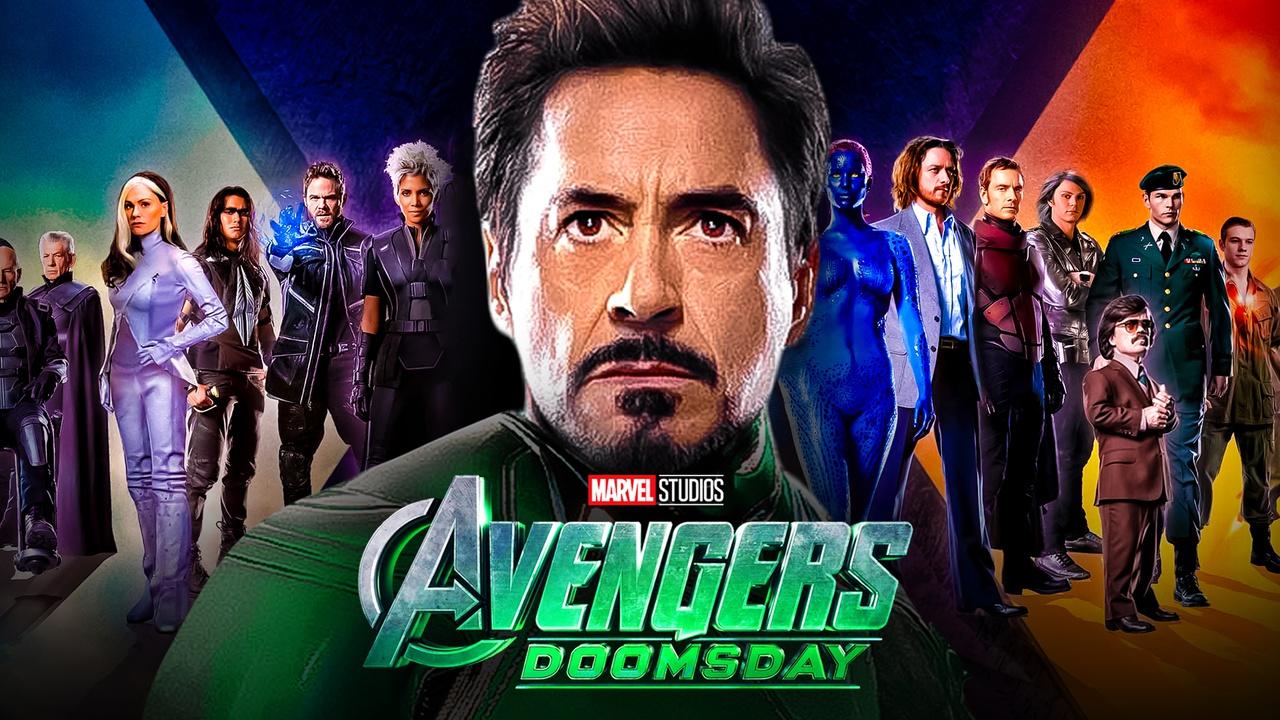
AVENGERS DOOMSDAY TRAILER BREAKDOWN: All 4 Teasers Clues You Missed!


Okay, friends, let’s gather around the digital campfire. We need to talk. We’ve all seen the teasers, but I don’t think we’ve really processed them yet. Marvel has shifted from selling us a movie to inviting us into a tragedy. The Russo Brothers dropped that bombshell on social media, telling us these aren't trailers—they’re "stories" and "clues."

If you look at the hashtag #DoomsdayHasBegun, it isn’t just marketing fluff. It’s a warning. This isn't just a "superhero vs. villain" flick; this is an autopsy of the multiverse. Let's dive back into these four narratives, because the more you look, the more it hurts.

1. Steve Rogers: The Weight of a Selfish Choice

The first "story" hit us where it hurts: our nostalgia. Seeing Steve Rogers back in the late 1940s should feel like the victory lap we all wanted for him in Endgame. But look at the frame. That rural road isn't "happily ever after"—it's isolation. It's hiding.

The secondary tire tracks veering into the field are the first big clue. Someone arrived in a hurry, or someone was taken. When Steve walks into that house and folds his Captain America uniform into a chest, it’s not just a retirement. He’s trying to bury a ghost. But the multiverse doesn't let you just "retire."

The Baby and the "Victor" Theory: Then there’s the infant. The way Steve looks at that child isn't just fatherly; it’s haunted. He knows he shouldn't be here. He knows this timeline is a branch that shouldn't exist. Now, look at his bike: a Triumph. Synonym? Victory. Name? Victor.

What if this child is the MCU’s version of Victor Von Doom? Imagine the tragedy: Steve Rogers, the ultimate hero, stays in the past for love, creates a forbidden timeline, and fathered a son who becomes the very "Doom" that destroys the multiverse. It’s the ultimate Shakespearean irony. Steve’s "one selfish act" might be the literal origin of the man who ends everything.

2. Thor’s Prayer: The Silence of the Thunder

Moving from Steve’s quiet farm to Thor’s somber prayer is a tonal whiplash. The "God of Thunder" has been replaced by a man who looks like he’s lost his soul. He’s back to the short gladiator cut—a look usually reserved for when he’s stripped of his status and his family.

He’s pleading for "Love," his adopted daughter. But the visual storytelling is screaming at us. He’s holding Stormbreaker, the weapon Love was using. If the weapon is back in Thor's hands, it means Love is gone. He’s clutching a stuffed animal with the same intensity he used to hold Mjolnir. This isn't a god going to war; this is a father grieving a child who has been "stolen by the storm."

Thor’s bargain—offering to be "warmth" instead of "thunder"—is a desperate attempt to trade his power for his daughter’s safety. But in a movie called Doomsday, we know how those bargains usually end.

3. The X-Men: The Final Checkmate

The third teaser finally brought the Mutants home, but it’s a homecoming in a graveyard. The X-Mansion is in ruins, looking more like an ancient ruin than a school.

The Chessboard and "Fiat Lux": The motto on the window, Fiat Lux, Fiat Vis ("Let there be light, let there be strength"), feels like a cruel joke in a world going dark. But the real story is the chess game. We see a Black King—representing Xavier or Magneto—trapped with zero legal moves. When the piece topples over, it’s a voluntary surrender. They aren't asking "How do we win?" They're asking "Who will we be when we die?"

Then we see Cyclops. James Marsden looks incredible, but he’s absolutely broken. He’s standing over a severed Sentinel head, but he doesn't look like a victor. He looks like a man who has lost his heart. If Doom is taking children, did he take Nathan Summers (Cable)? Is Cyclops fighting a war that he knows he’s already lost just to find his son?

4. Wakanda and the Alliance of the Damned

The final piece of the puzzle brings us to a desert that used to be an ocean. The Talokan people have lost their home—the water is gone, likely drained by an incursion. Shuri and M'Baku are wearing armor that blends Wakandan tech with Talokanil vibranium. It’s a survivalist’s alliance. They have to share resources because their worlds are literally evaporating.

Shuri’s line, "I’ve lost everyone that matters to me," is a dagger. We know she lost her brother and mother, but what about Toussaint (Young T'Challa)? The theory is that Doom is "pruning" the future of every major bloodline. By taking the heirs, he controls the legacy of the multiverse.

The Arrival: When Shuri salutes the Fantastic Four’s ship, the theory is that she isn't just greeting Reed Richards. She’s greeting Storm. If Ororo Munroe is the one leading the refugees of a dead X-Men timeline to Wakanda, it changes everything. It’s not just a crossover; it’s a desperate gathering of the last survivors.

Connecting the Dots: The Theft of the Future

When you put all four "stories" together, the picture is clear. Doom isn't just an invader; he’s a collector. He’s gathering the "Anchor Beings"—the children who represent the future of these timelines.

  • Steve’s Son: The moral legacy.

  • Thor’s Daughter (Love): The cosmic legacy (connected to Eternity).

  • Cyclops’ Son (Nathan): The mutant legacy.

  • Shuri’s Nephew (Toussaint): The royal legacy.

Doom is stealing the future to build his own. He is taking the "bricks" of the old multiverse to construct his "Battleworld." The countdown at the end of the teasers isn't just for a movie premiere; it’s a countdown to the moment the lights go out on the MCU as we know it.

What do you guys think? Are we looking at the end of the line for our original Avengers? Is Steve’s baby the key to RDJ’s Doom? I’m honestly terrified, but I’ve never been more ready. Let’s talk about it below—I need to know I’m not the only one losing my mind over this.

Monday, January 12, 2026

Pluribus Season 1 Explained: The Ultimate Breakdown of Every Easter Egg, Theory, and Hidden Detail


Alright, fellow survivors, we need to talk.

If you’re like me, you spent all of 2025 glued to the screen, probably forgetting to eat or sleep, while Vince Gilligan systematically dismantled our understanding of sci-fi. Pluribus wasn't just a show; it was an existential crisis with a budget.

I just finished my third re-watch (yes, I’m that person), and I’ve spent the last 72 hours scrubbing through frames until my eyes bled. The "One from Many" theme isn't just a title—it’s a threat. Between the Breaking Bad connections and the horrifying truth about those milk cartons, there is so much to unpack.

Let’s get into the weeds.

1. It’s Not a Virus—It’s an Awakening (And That’s Scarier)

The pilot, "We Is Us," starts with that haunting 439-day countdown. At first, you think, "Okay, alien invasion, standard stuff." But Gilligan is never standard. He doesn't give us a "Day One" panic; he gives us the slow, mathematical dread of an inevitable appointment.

When the Very Large Array picks up that 78-second signal from 600 light-years away, it’s not just noise. It’s RNA code. Adenine, Uracil, Guanine, Cytosine. The terrifying part? The signal didn't bring something to Earth. It activated something already inside us.

The "Latent Protein" theory is what keeps me up at night. The show suggests we were always "wired" for the Hive Mind—that human evolution was just a long, lonely waiting room. We didn't get invaded; we got "unlocked." It’s a biological backdoor. And the vector? Love. The show literally argues that the feeling of "falling in love" is just us accidentally tapping into a dormant hive network. Think about that next time you feel butterflies—it might just be your individuality dying, a literal quantum entanglement of souls that we’ve been romanticizing for millennia.

Did you catch the whiteboard Easter eggs? In the lab, the scientists are desperate. They’re listing everything from Nipah to HHV6 and Shigella, but you can see the panic sets in when they realize it’s the Olfactory Nerve Receptor. They weren't looking for a germ; they were looking for the brain’s front door. The fact that it spreads through a kiss—reminiscent of the The Last of Us cordyceps but fueled by affection rather than aggression—makes the "infection" feel like a betrayal of our most basic human needs.

2. Welcome Back to Albuquerque: The Gilligan-verse is REAL

Vince, you beautiful madman. He didn't just give us a new show; he gave us a sequel to a universe we thought was over. Pluribus is packed with "I-screamed-at-the-TV" moments for Breaking Bad and Better Call Saul fans. It’s more than just nods; it’s like the history of Albuquerque is the foundation for the end of the world.

  • Wayfarer 515: In Episode 2, the plane Carol boards is Wayfarer 515. That’s the same flight number as the 737 that collided over ABQ in Breaking Bad. This isn't a coincidence; it’s the same airline, rebranded after the tragedy, trying to outrun its cursed history right into a global apocalypse.

  • The Pink Bear: Look at Jin’s bandana in the first episode. It’s covered in pink teddy bears. Seeing that charred symbol of judgment from Walt’s pool again felt like a punch in the gut. It’s as if the "consequences" Walter White unleashed finally scaled up to consume the entire human race.

  • The Voice of "Happy": Did anyone else’s heart stop in Episode 5? That recorded message Carol hears... that’s Patrick Fabian (Howard Hamlin). And he greets her with the exact "Hello, Carol..." that Walter White used to terrify his neighbor. It’s a chilling use of a familiar voice to lure survivors into the "bliss" of the Hive.

  • McCollin Whiskey: Carol drinks "McCollin," the same fictional brand Howard used to celebrate his wins. It’s all there. The world ended in the same city where Walter White built his empire, and the props prove the timeline is identical.

3. The "Got Milk?" Horror Story

We all knew the "milk" the Others were drinking was weird—the way they clutched those cartons like holy relics—but Episode 6 broke me. HDP. Human Derived Protein.

The Hive Mind’s logic is devastatingly "kind." They won't hurt animals (remember the scene of them releasing the zoo animals?) or "harm" plants via industrial farming. Because they refuse to kill anything with a "spark," they faced a massive caloric deficit. Their solution? Process the 886 million people who died during the transition and anyone who has died of natural causes since.

It’s not cannibalism to them; it’s "anthropophagy"—a logical, clinical recycling of resources. And having a deepfake John Cena explain this to Carol in Las Vegas? Absolute genius. He explains that a guy his size needs eight cartons of "People Powder" a day just to maintain his mass. It sounds so reasonable, so kind, when a friendly celebrity avatar tells you that eating your neighbors is just "honoring their energy." It’s the ultimate Gilligan twist: a peaceful, non-violent society that literally eats its own dead to stay pure.

4. Carol Sturka: Our Relatable, Broken Hero

Rhea Seehorn is a powerhouse. Carol is a romance novelist who can’t connect with anyone, and ironically, that’s why she’s immune. Her trauma from "Camp Freedom Falls"—the conversion therapy camp she was sent to as a kid—acts as a literal psychological shield against the Hive’s "love." She’s been conditioned to reject forced connection.

The most heartbreaking moment for me was the liquor cabinet betrayal. Finding out her late wife, Helen, put a sensor in the cabinet (from FionaCom, another BCS nod!) to track her drinking years ago... that hurt. The Hive, having absorbed Helen’s memories, used that secret against Carol. It proved to her that even "true love" has layers of distrust and surveillance. If she can’t trust the woman she loved most, how can she trust a Hive Mind that claims to offer "perfect, honest unity"? Her skepticism isn't a flaw; it's her superpower.

5. That Finale... (The Girl or the World?)

The ending of Season 1, "La Chica o el Mundo," is dark, even for Gilligan. We find out the Hive isn't just content with Earth. They’re building a massive antenna to broadcast the signal to other planets—a galactic infection vector disguised as "universal peace."

So, what do our heroes do? They don't give a grand speech about the human spirit. They don't find a "cure." They get a Fat Man-style atom bomb delivered by helicopter. It is perfectly poetic that a show set in New Mexico, the birthplace of the Manhattan Project, ends with the threat of nuclear fire.

The season ends with the two most unlikable, damaged people on the planet—Carol and Manuos (driving his "EL FRITZ" MG)—holding the trigger to a nuclear winter. Manuos is basically a grave robber, and Carol is a bitter alcoholic, yet they are the only ones left with enough "individuality" to be dangerous. It’s the ultimate Gilligan question: Is the messy, painful, secret-filled reality of being an individual worth saving? Or should we just let the "Blue" consume us all?

Hidden Details I missed the first time:

  • Kepler-22: Zosia reveals the signal is from a water world. Is that why "Blue" is the Hive's color? It’s a complete inversion of the "Yellow" that represents Carol’s isolation.

  • The 30-Day Rule: Did you notice the sign in Manuos’s storage facility? Items are forfeited after 30 days. It’s a dark joke—humanity ended weeks ago, and he’s still playing by the rules of a dead world.

  • The Temporal Compass: Carol’s new book mentions this device—could Season 2 involve time travel to stop the signal before it ever hit the VLA?

  • The X-Files Sticker: A tiny nod to Vince’s roots on a laptop in the pilot. "I Want to Believe"... but after this season, I’m not sure I want to believe in anything.

What did you guys find? I’m still shaking from that finale. If the Hive is reading this... sorry, I’m sticking with the misery. At least it’s my misery.

Let’s talk in the comments. Who else is ready to blow it all up with Carol?

MOST FAVOURITES

SUPERGIRL SUPERMAN TRAILER BREAKDOWN