
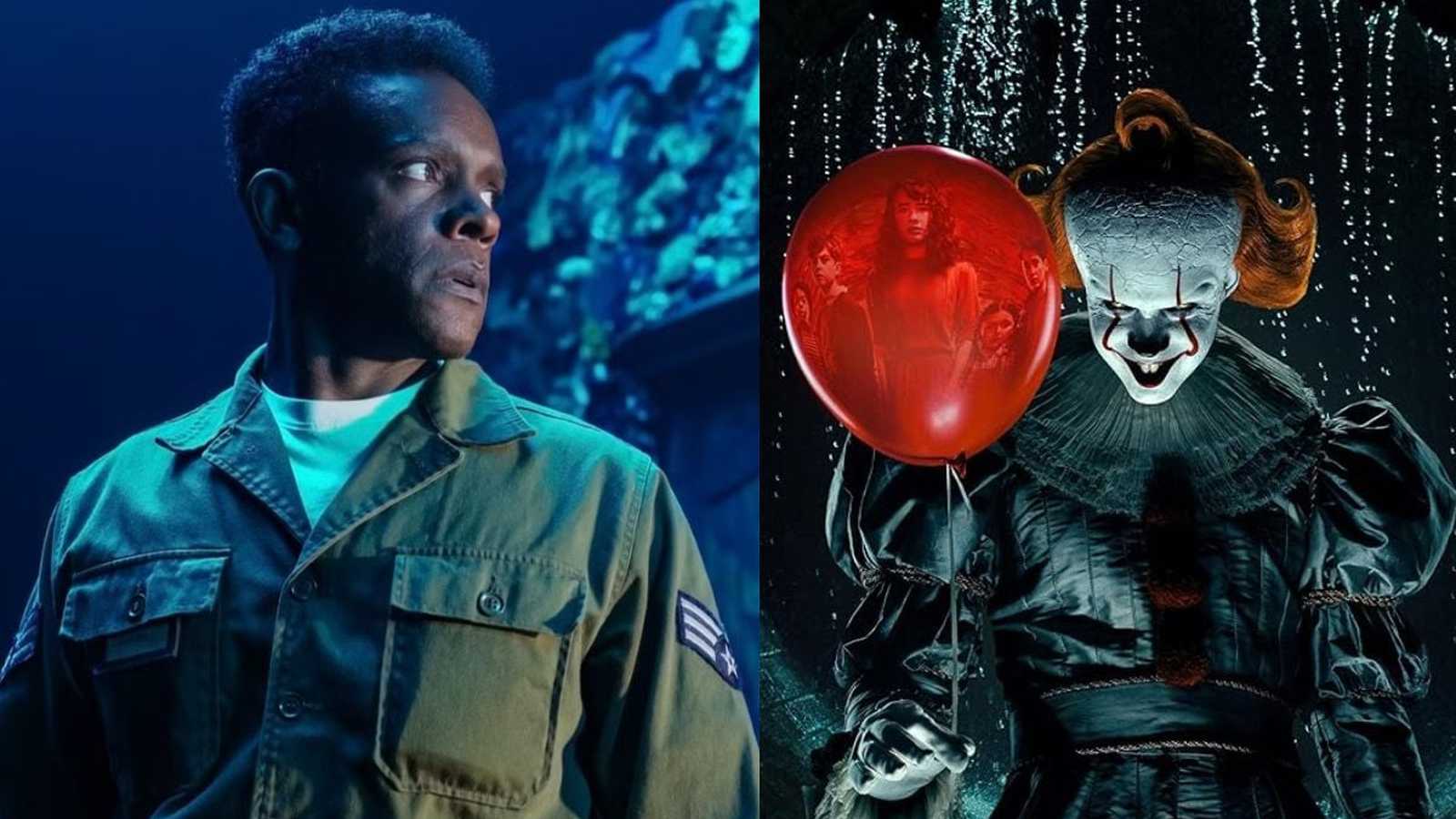
Okay, guys, we need to talk. I just finished Episode 3, "Now You See It," and I am vibrating. If the first two episodes were the slow climb up the roller coaster, this was the moment the floor dropped out. This wasn't just a "good episode"—it was a love letter to those of us who have lived and breathed the IT mythology for years. It felt like the show finally stopped holding its breath and just screamed.
I’m still shaking off that ending. Let’s grab our slingshots and get into the weeds of why Derry is the most cursed place on Earth.
1908: The Flashback That Broke Me
Can we talk about how gorgeous and terrifying that 1908 opening was? Seeing the "Canal Days Festival" was such a treat for the eyes, but it’s poisoned candy. Knowing that the Kitchener Ironworks tragedy—an event that claimed the lives of 88 children on an Easter egg hunt—is right around the corner makes every laugh feel like a scream in waiting. The show is doing a brilliant job of showing that Pennywise doesn't just "show up"; he seasons the town with joy before he burns it down.
When young Francis enters that "Hall of Freaks," I felt that same primal, childhood dread of being somewhere you shouldn't. It captured that dusty, claustrophobic atmosphere perfectly. And did you catch the Turtle in the ball-toss game? My heart skipped. For the uninitiated, Maturin the Turtle is the cosmic rival to IT, a guardian who inadvertently created our universe. Seeing these nods confirms that the showrunners aren't just making a monster show—they’re building the "Macroverse."
The Moment I Lost It: The "Clown Child." Seeing a kid in that greasepaint with the red balloons... it actually makes so much sense. IT isn't just a monster; it’s a cosmic mimic that struggled to understand humans at first. It saw how we looked at clowns—half-wonder, half-fear—and thought, "Yeah, that’s the perfect mask." It’s a chilling "Origin of the Species" moment for Pennywise. It suggests that IT didn't just invent the clown; it stole the image from a real, broken human history in Derry.
The Transformation (Straight Out of My Nightmares)
The scene in the woods where the "Skeleton Man" shifts into that spider-like monstrosity? I actually had to look away for a second. The practical effects and CGI blend here was top-tier. The way its limbs cracked and elongated felt so much like the Mrs. Kirsch encounter in IT Chapter Two. It’s that uncanny valley movement—too long, too fast, and sounding like dry wood snapping.
But the real emotional weight for me was the Slingshot. Seeing Rose save Francis with it—and seeing that gravity-defying blood—gave me goosebumps. We’ve seen that floating blood before in Beverly Marsh’s sink, and it always signals that the laws of physics have left the building. The slingshot isn't just a weapon; it’s a symbol of friendship and resistance that has been soaking in cosmic energy for 50 years. It reminds me of the "Silver Slugs" from the novel—it’s not the object that hurts IT, it’s the belief of the person holding it.
1962: The Adults are Making Huge Mistakes
Switching to 1962, things are getting heavy. My heart breaks for Lily. Being threatened with a "more restrictive treatment" (we all know that’s code for a lobotomy) in an era that didn't understand trauma is a horror story all its own. The asylum scenes feel like they’re pulled straight out of One Flew Over the Cuckoo's Nest, emphasizing that for children and the "different," the adults are often just as scary as the monsters.
The Military Plot: Can we talk about General Shaw’s ego? This is the core of the episode's title. Thinking you can "weaponize" a cosmic entity that exists outside of time and space is the ultimate "Hold my beer" moment in government history. It’s pure Cold War paranoia, fueled by programs like MKUltra. They think they’ve found a new bomb; they don't realize they've found a predator that eats reality.
Halloran’s Vision: The Crossover We Craved
This was the absolute highlight of the episode for me. Dick Halloran touching that slingshot and falling into a Shining-esque trance was absolute perfection. The cinematography here, with the helicopter interior stretching into an infinite corridor, was a beautiful nod to the Overlook Hotel.
The Deadlights: Seeing the three glowing orbs and hearing that unmistakable Bill Skarsgård whisper... "Who are you?" I had actual chills. It wasn't just a voice; it was a vibration.
The Floating Kids: Seeing the victims trapped in the deadlights—including his own grandmother—added a personal stake that the movies sometimes gloss over. Halloran realized the terrifying truth: IT saw them back. The moment you look into the abyss, the abyss marks your coordinates. The hunt is no longer one-way; the entity is officially "aware" of the military's probing.
The Big Twist: The Boy and the General
I did not see the Francis/General Shaw connection coming until right before the reveal. The fact that he "forgot" Rose and the events of 1908 until he came back to Derry is such a classic Stephen King trope. It’s that supernatural amnesia that protects your mind from the trauma of the town.
But seeing him manipulate Rose now? It makes him almost as much of a monster as the one under the town. He’s weaponizing his own childhood trauma, using the "Shine" as a tool for conquest. It raises a huge question: Did IT let him live in 1908 because it knew he would grow up to bring more "food" (the military, the town's expansion) to its doorstep?
The Kids & The Darkroom (The Ending!)
Watching the kids play with "Cuban Santeria" in a cemetery felt like classic Goonies meets IT. It was clumsy, scary, and felt so real. They aren't professional ghost hunters; they're just kids trying to save their friend Hank from a racist legal system. Their ritual was basically ringing a dinner bell for a god, and the consequences were immediate.
When Will snaps that photo in the crypt and they head to the darkroom... the tension was unbearable. That slow, red-lit reveal of the silhouette—the white-gloved hand, the ruff, the bulbous shape of the head—was the perfect "Now You See It" moment. It’s the first time the entity has been captured on film. But here’s the kicker: In Derry, having "proof" usually just isolates you. The adults won't see it, or they'll choose not to. The kids are officially on the front lines now.
Final Thoughts: The Horror is Just Beginning
This episode proved that Welcome to Derry isn't just a spin-off; it’s the missing piece of the puzzle. It connected 1908, 1962, and the modern films in a way that felt organic and terrifying. We are seeing the "27-year cycle" in action, and the gears are grinding toward a massive explosion of violence.
My Rating: 9.5/10 (Losing half a point only because I need the next episode now.)
Theories for next week:
Is the photo going to be blank when they show it to the Chief? (Derry's "glamour" usually hides the truth from adults).
Is Dick Halloran going to try and "box up" Pennywise like he did the ghosts at the Overlook?
What is the military actually going to do when they find the lair? (Hint: It won't be pretty).
Let’s obsess in the comments! What was your favorite Easter egg? Did I miss anything in the deadlights vision?
.png)


No comments:
Post a Comment