Welcome to Ending Decoding

My photo
Welcome to Ending Decoding, the ultimate destination for fans who want to look beneath the surface of their favorite stories. this blog was born out of a passion for deep-dive storytelling, intricate lore, and the "unseen" details that make modern television and cinema so compelling. Whether it’s a cryptic post-credits scene or a massive lore-altering twist, we are here to break it all down. At Ending Decoding, we don’t just summarize plots—we analyze them. Our content focuses on: Deep-Dive Breakdowns: Analyzing the latest episodes of massive franchises like Fallout, A Knight of the Seven Kingdoms, and the wider Game of Thrones universe. Easter Egg Hunting: Finding the obscure references to games and books that even the most eagle-eyed fans might miss. Theories & Speculation: Using source material (like the Fire & Blood books or Fallout game lore) to predict where a series is headed. Ending Explained: Clarifying complex finales so you never walk away from a screen feeling confused.

Thursday, October 23, 2025

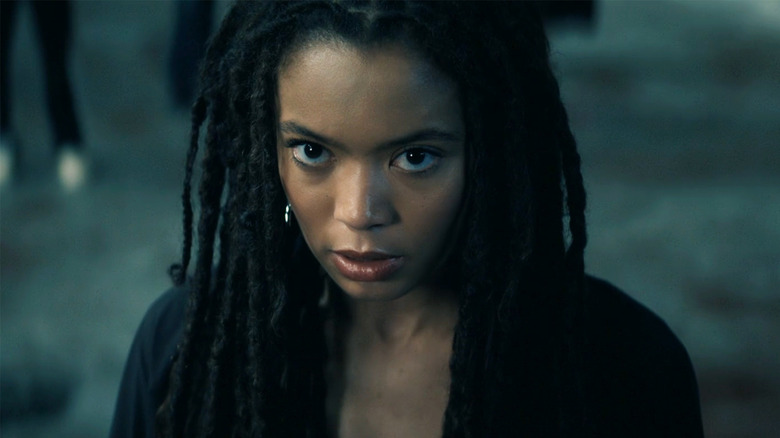
Gen V Season 2 Finale Explained: Godolkin's Fall, Sage's Plan, and 'The Boys' Season 5 Setup

Okay, deep breaths everyone. I just finished "The Guardians of Godolkin" and my brain is actually melting. Can we just acknowledge that Gen V officially stopped being the "spin-off" and became the main event? This wasn't just a finale; it was a brutal, bloody graduation ceremony from hell that makes the main show look like a Saturday morning cartoon.

My Personal Rating: 9.8/10 (I’m still shaking, honestly. My heart can't take the stress, but my soul needed this.)

The "Godolkin" Twist (I’m literally screaming)

First off, that flashback to 1967? Seeing Thomas Godolkin inject himself with V1—the original Soldier Boy/Stormfront juice—was a total "holy sh*t" moment. It explains why he looks like he’s in his 30s while being a literal dinosaur, but it also highlights Vought’s biggest fear: uncontrollable power. Modern Vought wants "disposable" Supes they can market and replace like iPhones. Godolkin is a relic of pure, unadulterated Supe-supremacy.

But the real kicker? The "Doug" reveal. Knowing that poor VCR repairman was a conscious prisoner in his own body for thirty years while Godolkin used his face to build "The Woods" and run the "Odessa" project... that is peak The Boys level of messed up. It’s a level of psychological horror that really makes you realize the Supes aren't the only monsters—it’s the creators. I felt physically sick for Doug. His death by Black Noir II wasn't just a cleanup; it was Sage erasing the only witness who could have dismantled the entire Vought legend.

Sister Sage: Even Geniuses Mess Up

I loved watching Sage get a reality check this episode. She’s been playing 4D chess all season, but she forgot one thing: Godolkin isn't a "piece" you can just move. He’s a creature of pure, ravenous ego. Seeing her "Phase Two" crumble because he wanted to play Eugenics God was so satisfying. Sage is all logic, but Godolkin is all sensation and god-complex.

When she left Polarity’s cell door open? That wasn't kindness. That was Sage being the cold, calculating queen we love to hate. She realized her "asset" was a "bad product," so she pointed a loaded gun (Polarity) at the problem and walked away to recalculate. The scene where she questions him about love and pain wasn't empathy—it was her trying to figure out the "human variable" she keeps failing to account for. She is basically a Supe version of Stan Edgar, but even more terrifying because she can see every move before you make it.

OUR SQUAD. THE GROWTH. 😭

Can we talk about the unity? This season has been a crucible for these kids, and seeing them finally click was everything.

  • Marie & Kate: When Marie healed Kate? I actually cried. After everything Kate did under Shetty’s influence, that act of forgiveness was the ultimate middle finger to Godolkin’s "survival of the fittest" BS. It proved that empathy is a bigger power than blood-bending.

  • Emma: Seeing her grow giant fueled by pure love for her friends instead of her eating disorder or public perception? That’s her best moment in the series. Period. She’s finally the master of her own body, not a victim of it.

  • The Reject Power Play: Using the "Trojan butthole" teleporter (poor Vance!) to smuggle the team in was pure Gen V. It’s the perfect metaphor: the "useless" performing arts students Godolkin wanted to cull are the ones who ultimately took him down.

THE HEAD POP.

Marie Moreau. My girl. She didn’t just level up; she went full Victoria Neuman, but with a conscience. When Godolkin tried to puppet her into killing her own friends—forcing her to relive the trauma of her parents' death—I was holding my breath. But that split second where she broke his control and popped his head? I was screaming at my screen. She’s not a scared girl from the Red River Institute anymore. She’s a leader, and she’s officially the Resistance's nuclear option. We have our own head-popper now, guys!

THAT ENDING. (The Crossover We Deserve)

I actually gasped when Starlight and A-Train showed up. Seeing A-Train—the guy whose poster was on Marie’s wall in the pilot, the guy who used to be the face of Vought corporate greed—now standing there as a true hero? Talk about a full-circle redemption arc.

When he told the Gen V crew, "You guys are f**king rebels now. Just act like it," it felt like the ultimate passing of the torch. The "Guardians" aren't just kids anymore; they're the front line of the war against Homelander.

Final Thoughts for 'The Boys' Season 5

The walls are down, guys. This ending tears the two shows together into one massive, final-season collision course.

  1. The New Resistance: With the main 'Boys' squad mostly captured or on the run, this new team—Marie (Head-popper), Jordan (Tank), Sam (Brawler), Kate (Mind-control), and Emma (Giant)—is a literal Supe Black-Ops unit.

  2. Polarity as the Boogeyman: Expect Vought to paint Polarity as a "Supe Terrorist" to justify Homelander’s fascist crackdown. He's taking the fall so the kids can be the secret weapon.

  3. The Title Reclaimed: Vought tried to brand them "The Guardians of Godolkin" as a hollow PR slogan. Well, they earned the name now. They're guarding the world from the system that created them.

What did you guys think? Is Marie officially more dangerous than Neuman now? And can we talk about Annabeth’s pre-cog powers being the potential checkmate for Homelander? Let’s obsess in the comments.

Monday, October 20, 2025

Spider-Man: Brand New Day - A Deep Dive


I don’t know about you, but the ending of No Way Home didn’t just leave me crying—it left me feeling completely hollow. Seeing Peter in that tiny apartment with nothing but a sewing machine and a police scanner... man, it hurt. But now that we’ve finally got the title for the fourth film, Spider-Man: Brand New Day, it feels like we’re finally turning a page that’s going to be both beautiful and absolutely brutal.

My Personal Hype Rating: 9.8/10 (I’m obsessed with the potential for pain here.)

Why "Brand New Day" is giving me chills (and anxiety)

If you’re a comic reader, that title just sent a shiver down your spine. In the comics, "Brand New Day" was the fresh start after the infamous "One More Day" storyline, where Peter basically traded his marriage to MJ to a demon named Mephisto to save Aunt May. It was messy, controversial, and shifted the status quo forever.

In the MCU, we’re seeing a version of that play out that feels even more earned. Peter isn’t just "poor" now; he’s a non-entity. No Stark tech, no Happy Hogan, no MJ to go home to. Every time he swings past the Statue of Liberty, he’s reminded that the world remembers the hero, but they’ve completely deleted the boy. He’s back to being the "Friendly Neighborhood Spider-Man" in the truest, most isolated sense.

I’m honestly so ready for "Iron Man Jr." to be buried for good. Don't get me wrong, I loved the high-tech suits, but I want to see him struggle to pay rent again. I want to see him use his brain and his chemistry skills to win, not a multi-billion dollar AI in his goggles. This is Peter Parker at his most resilient, and that’s when he’s at his best.

The Rogues' Gallery: We’re finally going to the streets!

The rumors for the villains are making this feel like a gritty NYC crime thriller, and I am here for it. We’re moving away from multiversal threats and focusing on the rot inside New York City.

  • Mr. Negative (Martin Li): This is the big one. Li is such a fascinating, tragic character because of his duality. On one hand, he's a saint—the philanthropist running the F.E.A.S.T. shelter. Imagine a starving, broke Peter Parker going there for a warm meal, only to realize his benefactor is a ruthless crime lord. If the rumors are true and Li uses his "corruption" touch on people Peter loves, the stakes become terrifying. If we see a "Negative" Ned or a corrupted MJ confronting a Spider-Man they don't even remember? That’s not just a fight; that’s psychological warfare.

  • The Scorpion (Mac Gargan): Finally. We’ve been waiting since the Homecoming post-credits scene in 2017 for Michael Mando to come back. In the comics, Gargan was a P.I. hired by J. Jonah Jameson to unmask Spidey, but he ended up becoming a cybernetic monster. With Jameson now being a massive media personality in the MCU, it makes perfect sense for him to fund a "hero" to take down the "menace" Spider-Man, only for Gargan to lose his mind and go rogue.

The "Wild Cards": Frank Castle and... The Hulk?!

Okay, this is where things get chaotic. The reports of these two joining the cast change the entire "street-level" vibe into a potential powder keg.

The Punisher: Jon Bernthal is back. Let that sink in. The Punisher actually debuted in a Spider-Man comic (ASM #129) as a hitman trying to hunt Peter down. Seeing Spidey’s "No Kill" rule clash with Frank Castle’s "No Mercy" philosophy is going to be electric. Peter is at his lowest point; he’s angry, he’s lonely, and he’s tired of losing. Having a guy like Frank Castle whispering in his ear that "justice" requires a permanent solution? That’s a temptation Peter hasn't really faced yet.

The Hulk: This rumor sounds insane, right? Why is the Green Goliath in a street-level movie? But think about it: the "Smart Hulk" we have now is safe. He’s a scientist. But if Mr. Negative touches Bruce Banner and unleashes the Savage Hulk—the mindless, world-breaking rage monster—in the middle of Manhattan? Peter is dead meat. This creates a desperate "Avengers-level" threat that a lone, tech-less Spider-Man is completely unequipped to handle. How does a kid in a cloth suit stop a god?

My Personal Theories & Fan-Brain Musings

  • The Symbiote Survival: That little piece of goo left behind in the No Way Home post-credits is the key. If Peter has to fight the Hulk and the Punisher at the same time, he’s going to need a power boost. A beaten, broken, and emotionally vulnerable Peter is the perfect host for the Symbiote. This film could be the start of a legendary "Black Suit Saga" that spans the whole next trilogy.

  • A New Love Interest? Look, I love MJ, but Zendaya’s character doesn't even know he exists, and pursuing her now feels... well, a bit like stalking. Bringing in someone like Black Cat (Felicia Hardy) makes so much sense. She doesn't care about "Peter Parker"—she loves the mask. For a guy who feels like he’s lost his human identity, a relationship with a master thief who only wants his superhero side would be a fascinating, toxic distraction.

  • The Kingpin Connection: You can't do "Street Level NYC" without Wilson Fisk. Even if Vincent D'Onofrio only has a cameo, his "Anti-Vigilante" laws from the Daredevil series will likely make Spider-Man a public enemy. Imagine Spidey being hunted by the police while trying to save them from Mr. Negative.

Final Thoughts: Why this matters

This movie isn't just a sequel; it’s a test of who Peter is when you take away the Avengers, the gadgets, and the family. It’s the "Great Power, Great Responsibility" lesson, but turned up to eleven. We are moving away from the "spectacle" of the multiverse and getting back to the "soul" of the character.

It’s about a kid who lost everything but still gets up the next morning to save a city that doesn't even know his name. I’m excited, I’m terrified, and I’m ready to see our boy rise from the ashes. This is the Spider-Man movie we've been waiting for since 2002.

What do you guys think? Is the Hulk too much for a Spidey movie, or are you ready for the absolute scale of it? And please, someone tell me I’m not the only one hoping for a Matt Murdock courtroom scene!

Let’s obsess about this in the comments.

Saturday, October 18, 2025

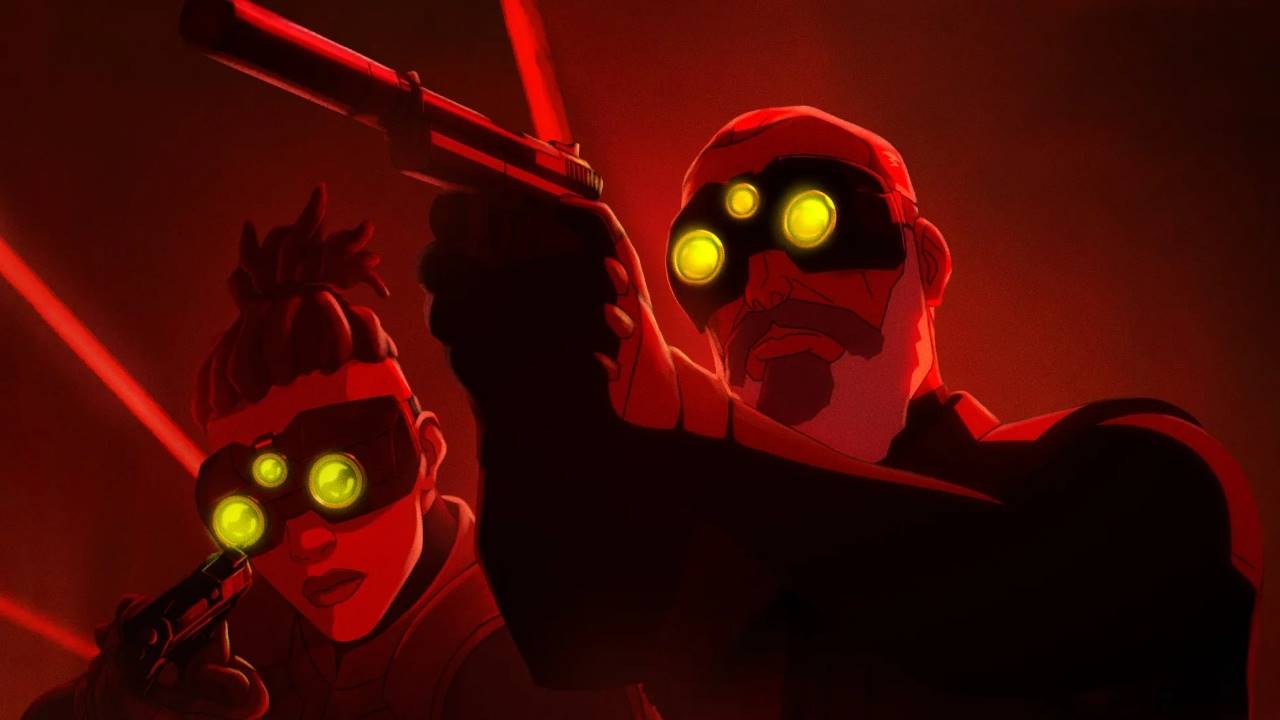
Splinter Cell: Deathwatch - The Ultimate Season 1 Breakdown & Review

Let’s be real for a second: as Splinter Cell fans, we’ve been living in the dark for over a decade. And not the cool, "hiding-in-the-shadows" kind of dark—I mean the "Ubisoft-has-forgotten-we-exist" kind of dark. We’ve endured years of Sam Fisher being relegated to cameos in Ghost Recon or Rainbow Six, like a retired legend forced to do regional car commercials. Every E3, every Game Award show, we’ve sat there with bated breath, waiting for that three-eyed green glow to flicker on.

When Netflix finally announced Deathwatch, I was terrified. We’ve seen how video game adaptations can go sideways. I thought, “Please don't mess this up. Please don't turn Sam into a generic, quippy action hero.” Well, I’ve binged the first season, and I need to talk about it. This isn't just a show; for those of us who grew up with the hum of night-vision goggles in our headsets, it’s a homecoming. It’s brutal, it’s bittersweet, and it’s exactly the shot in the arm this franchise needed to prove it’s still relevant in 2024.

1. This Isn't the Sam Fisher from Your Childhood (And That’s Okay)

Seeing an older, grizzled Sam living on a quiet farm in Poland hit me right in the feels. He’s tired, guys. You can see it in his posture; he’s a man who has spent far too many nights crouching in damp ventilation shafts. He’s haunted by the "ghosts" of his past—not just the enemies he’s eliminated, but the moral weight of the gray-area choices he’s had to make to "keep the peace."

I know, I know—we all miss Michael Ironside’s legendary, gravelly voice. It’s part of our DNA. It’s hard to imagine anyone else delivering those dry lines. But Liev Schreiber? He actually crushed it. He doesn't try to be Ironside; instead, he brings this weary, "I’m too old for this" gravitas that feels incredibly earned. His wit is bone-dry, and there’s a surprising depth of compassion under the gruff exterior, especially when he’s forced to confront the legacy of his old friend Douglas Shetland. It felt like watching an old friend come out of retirement for one last job, and man, the emotional baggage he brought with him made the story feel so much more grounded.

2. The Violence is… A Lot (In a Good Way)

If you thought the "Mark and Execute" kills in the games were intense, Deathwatch is a straight-up punch to the gut. It’s far more visceral and unflinching than the source material ever dared to be. We’re talking scalpels to eyes, the sickening crunch of breaking bone, and a level of gore that reminds you that espionage isn't just about cool gadgets—it's a dirty, bloody business.

But the violence isn’t just there for shock value. It serves a narrative purpose: it makes the stakes feel terrifyingly real. In the games, if you mess up a stealth run, you just reload a quick-save. In Deathwatch, a single mistake leads to a grim, permanent end. The animation style itself is a masterclass; it has that raw, kinetic energy that reminded me of Arcane or Castlevania. The way they use light and shadow isn't just aesthetic—it’s a love letter to the stealth mechanics we spent hours mastering. When Sam vanishes into a dark corner, you don't just see it; you feel the safety of the shadows, just like we did back on the original Xbox.

3. The New Blood: Zinnia McKenna and the Fourth Echelon

Then there’s Zinnia. At first, I won't lie, I was skeptical. She’s a "Panther" style player—aggressive, hot-headed, and loud. She’s the kind of agent who triggers every alarm in the building while I’m still trying to find the circuit breaker. I was worried she’d be a "Mary Sue" character designed to replace Sam, but the writers were smarter than that.

Her aggression comes from a place of trauma and inexperience, and the show doesn't shy away from her mistakes. The dynamic between her and Sam is the real heart of the season. It starts as classic generational friction—the old-school ghost vs. the new-school wrecking ball—but it evolves into a surrogate father-daughter bond that feels genuinely moving. Watching Sam teach her that "patience is the deadliest weapon in the arsenal" was a massive win for the fans. It felt like the show was acknowledging our playstyle while acknowledging that the world of warfare is changing.

4. THAT Ending (The "Chaos Theory" Masterstroke)

The final two episodes are literally titled "Chaos Theory, Part 1 & 2." If that didn't make your inner fanboy/fangirl scream, check your pulse. Linking the entire conspiracy back to the Shetland family was a stroke of genius. It grounded this new story in the deepest lore of the franchise, making the stakes personal for Sam rather than just another "save the world" plot.

The twist—that the unassuming brother, Charlie, was the true architect of the crisis—was a genuine "holy crap" moment. It highlighted the show's theme that the most dangerous threats are the ones you never see coming. But the real moment that got me? That final sequence. After the smoke clears, we see Sam standing in the darkness. He dons the iconic tri-focal goggles, they click into place, and that legendary bweee-vweep sound effect plays. I’m not ashamed to admit I got chills and maybe a little misty-eyed. It wasn't just a cool shot; it was a declaration. The retirement is over. The ghost is back in the machine.

The Fan Verdict: 8.5/10

Is it perfect? Not quite. The mid-season pacing slows down a bit during the Hamburg gala, and the plot can get slightly convoluted with the "Xanadu" energy project stuff. And yes, there will always be a small part of me that wishes I heard Ironside's voice coming out of that mask.

But as a revival? It’s a total triumph. It respects the legacy, rewards the "lore nerds" with incredible Easter eggs (like the original Xbox comms static sound!), and actually tells a human story about aging and redemption. It’s the best Splinter Cell content we’ve had since 2005.

My Personal Rating: 8.5/10 A must-watch for the Fourth Echelon veterans who have been waiting in the dark, and a hell of a ride for anyone who just loves a gritty, high-stakes spy thriller.

Final Thought: Season 2 is already in the works, and for the first time in over a decade, it feels like a genuinely great time to be a Splinter Cell fan. Sam is back where he belongs—in the shadows, watching, waiting. See you in the dark.

Sinners Movie Explained: A Deep Dive into Themes, Symbolism, and Vampire Lore

Look, I’m still shaking a little bit while writing this. You know those movies that don't just sit in your eyes, but settle right in your chest? That is Sinners.

Ryan Coogler didn't just make a "vampire movie." He reached back into the red clay of 1930s Mississippi, pulled out the ghosts of our ancestors, and set them to the rhythm of the blues. It’s haunting, it’s bloody, and honestly? It’s one of the most beautiful things I’ve ever seen on a screen. This isn't just cinema; it's a séance.

It’s Personal—And You Can Feel It

You can tell this isn't just a gig for Coogler. He built this out of the marrow of his own family history, drawing from stories of his grandfather and his Uncle James. When you hear the Delta Blues echoing through the scenes, it’s not just a soundtrack—it’s a heartbeat. Coogler captures the raw, jagged edge of the Mississippi Delta so well you can almost smell the rain on the dirt.

There’s this beautiful, heavy idea at the center: that music is how we stay alive even after we die. It connects the West African Griots, who held the memory of nations in their songs, to the gospel singers wailing in the church pews. As a fan, watching Sammy (who is a total nod to the legend Robert Johnson) struggle with his "sins" while finding his voice... man, it hits hard. It explores that old legend of the crossroads—where you trade your soul for talent—but Coogler flips the script. He suggests that the "devils" we meet at the crossroads aren't there to take our souls, but to act as guardians like Papa Legba, showing us the wisdom we're too afraid to claim.

My Jaw Was on the Floor (The Visual Mastery)

Let’s talk about the look of this thing, because technical geeks like me are going to lose their minds. If you can, please see this in IMAX. Coogler and cinematographer Autumn Durald-Arkapaw used a mix of IMAX and Ultra Panavision that is just... chef's kiss. They used the wide 2.76:1 ratio to make the Mississippi landscape look endless and lonely, emphasizing how isolated these characters are under that heavy Southern sky.

But then, for nearly 30 minutes—the juke joint scenes, the visceral vampire fights—the screen expands into that massive 1.43:1 IMAX ratio, and it literally feels like the world is opening up to swallow you whole. The textures are so sharp you can see the grain in the wood of the church and the sweat on the performers' brows.

The colors aren't just pretty; they’re a language. I noticed "haint blue" everywhere—on Annie’s porch, on Smoke’s clothing—which is that specific shade used in Hoodoo culture to trick and ward off evil spirits. And the costumes! Ruth Carter is a literal genius. Every thread tells a story: Smoke’s clothes are cut a little large to hide his holsters, while Stack’s are refined and sharp to match his smooth-talking persona. It’s that level of intentionality that makes the world feel lived-in and dangerously real.

The Real Monsters vs. The Supernatural Ones

Michael B. Jordan playing twins, Smoke and Stack? Pure fire. Their names, Elijah and Elias, are these heavy biblical references to the hand and the word of God. Their backstory—fighting in the trenches of World War I only to come home to a country that still didn't see them as human—adds so much weight to their character. They represent the Great Migration, the link between the rural South and the industrial North, showing us that the "monsters" weren't just the things with fangs; they were the systemic horrors of the Jim Crow era.

But the most heartbreaking part for me was Remick, the Irish vampire played by Jack O'Connell. He’s not a "cackling" villain. He’s a tragic figure who lost his own land in Ireland and actually thinks he's helping the Black community by offering them "immortality." It’s such a sharp, stinging metaphor for how "allies" can sometimes destroy you by trying to save you on their own terms. He thinks he’s giving them power, but he’s really just trapping them in a new kind of cage.

THAT Juke Joint Scene (A Cultural Crescendo)

If there is one scene I will never forget, it’s the one in the juke joint. Shot on a 50-foot techno crane, the camera sweeps through the room as Sammy plays, and suddenly, time just... dissolves. It’s like a spiritual fever dream.

You see Zulu dancers, Songhai musicians, 90s G-funkers, and even the Monkey King, Sun Wukong, all moving to the same rhythm. It’s a rapturous celebration of the African Diaspora, showing that music is the thread that connects us to our past, our present, and our future. I actually had tears in my eyes during that sequence. It felt like a hug from history—a reminder that even in our darkest hours, we found a way to dance.

The Final Stand and the Legacy Left Behind

The third act shifts into high gear as the vampires descend on the juke joint. It’s thrilling, sure, but it’s also deeply sad. Watching Smoke have to face his own brother, Stack, after he's been turned... it’s a gut-punch. But what really got me was the juxtaposition of the supernatural fight against the very real-world threat of the KKK. It forces the characters to fight two types of monsters at once, and the bravery it takes to stand your ground in that situation is just awe-inspiring.

The ending... I won’t spoil the specifics, but seeing the jump to 1992 Chicago (a massive shoutout to the horror classic Candyman!) and that final reconciliation of the sacred gospel and the secular blues? It’s perfect. It brings Sammy’s journey full circle, proving that "This Little Light of Mine" can shine even in the deepest darkness.

Sinners joins the ranks of Get Out and Candyman as a film that uses the "horror" label to tell a much deeper, more urgent story about the American experience. It reminds us that we all have "sin" in us, but we also have an incredible capacity for light. It’s a horror epic that cares more about its characters’ souls than its body count, and that is why it’s going to be a classic.

My Personal Rating: 9.8/10 (I'm bumping it up from my initial reaction—the more I think about the symbolism, the more I realize this is a once-in-a-generation film.)

Seriously, go see it. Bring a friend, buy the biggest popcorn you can find, and prepare to be changed. You’re going to want to talk about this for weeks.

Friday, October 17, 2025

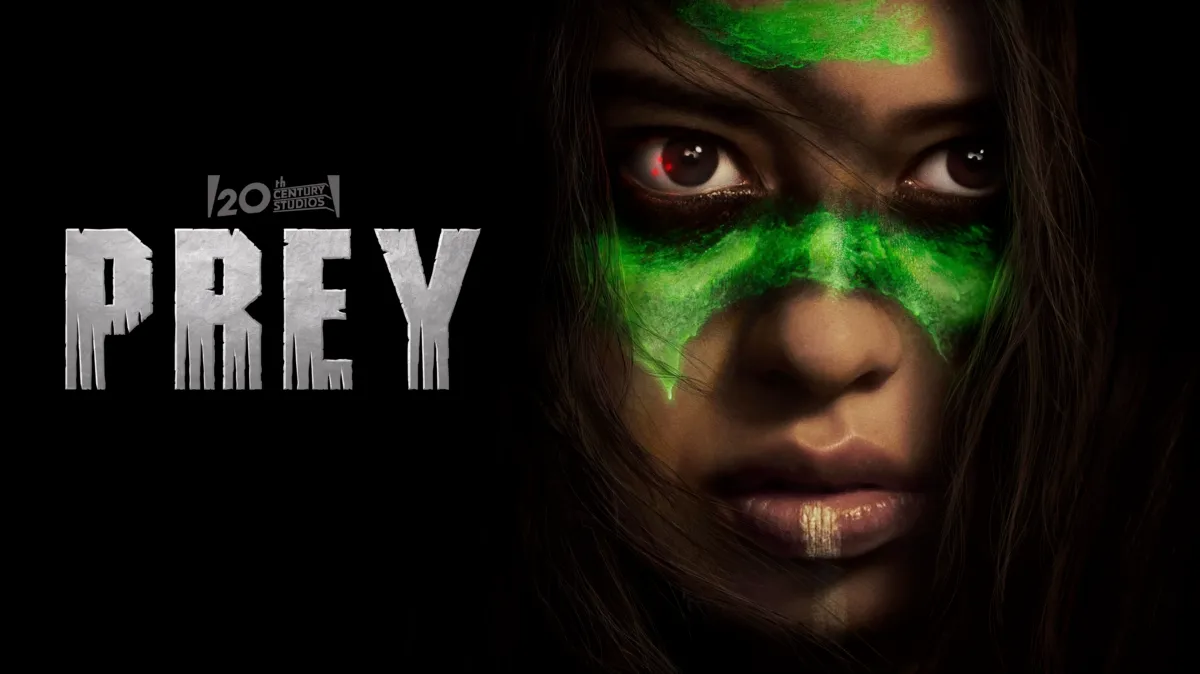
Prey: A Deep Dive Analysis of Themes, The Feral Predator, and Ending Explained

Introduction: A Return to Form for a Storied Franchise

Let’s be real for a second: for a long time, being a Predator fan was... exhausting. After the 1987 masterpiece, we spent decades chasing that same high, through sequels and crossovers that just couldn’t quite catch lightning in a bottle twice. We suffered through over-complicated lore, suburban settings, and "Super-Predators" that felt more like video game bosses than actual hunters. Then came Prey, and honestly? My jaw is still on the floor.

Directed by Dan Trachtenberg (who already proved he could breathe new life into a franchise with 10 Cloverfield Lane), this movie didn't just save the series—it reminded us why we fell in love with it in the first place. It stripped away the noise and returned to the primal, terrifying roots of the hunt.

The Personal Rating: 9.5/10

I’m not even kidding. This is the closest any sequel has ever come to the original. It’s lean, mean, and has a heart that’s missing from most modern action flicks. It respects the audience's intelligence and the franchise's legacy in equal measure.

Back to Basics (With a Twist)

The genius of Prey is that it stops trying to be "bigger" and starts being "smarter." Instead of modern soldiers with high-tech gear, we’re dropped into the Comanche Nation in 1719. This historical setting isn't just a gimmick; it’s a brilliant reset button. It levels the playing field in a way that feels fresh but familiar. It’s a concept we’ve been begging for since that flintlock pistol showed up at the end of Predator 2, and seeing that "Raphael Adolini 1715" inscription finally gain its origin story gave me actual chills.

It’s personal. It’s Naru’s story. She’s an aspiring warrior who everyone underestimates, and watching her evolution from a healer to the ultimate apex predator is the most satisfying character arc I’ve seen in years. When she sees that "Thunderbird" (the Predator ship) in the sky, you feel that spark of destiny right along with her. The movie takes its time building her world before the blood starts spilling, making us care about her struggle to be seen by her tribe long before she’s being hunted by an alien.

Authenticity You Can Feel

One thing that really got to me was the respect shown to the Comanche culture. This wasn't just window dressing or a collection of tropes. They had consultants, an Indigenous cast and crew, and a commitment to detail that made the world feel lived-in and vibrant. The landscape itself feels like a character—beautiful, harsh, and indifferent to the violence occurring within it.

Pro-tip: Watch it with the Comanche audio. It changes the whole vibe. When Tabe yells "Isai" (cheater) at the Predator for using its cloak, it hits different. It makes the struggle feel grounded and real, not just like a sci-fi set piece. It reframes the Predator not just as a monster, but as a "cheater" using an unfair advantage against a culture that prizes honorable skill.

Let’s Talk About the "Feral" Predator

Can we talk about how absolutely terrifying this new design is? This isn't the shiny, armored hunter we’re used to. This is the "Feral Predator." It’s raw, it’s visceral, and that bone mask? Pure nightmare fuel. It looks like something that crawled out of a prehistoric cave rather than a spaceship.

I love the theory that the mask comes from a River Ghost (those creatures from the 2010 movie). It feels like this Yautja is from a different, harsher part of their home planet—perhaps a desert hemisphere. He’s sleeker, faster, and he’s here to prove himself just as much as Naru is. The weaponry is a highlight, too. Seeing the early versions of the tech—the shield, the bolt gun, the combistick—it felt like watching a "prototype" version of the hunter we know. The way he tears through a grizzly bear or systematically dismantles a search party? I actually cheered. It’s the most intimidating the creature has been since 1987.

The Contrast of the Hunt: Fur Trappers vs. Yautja

A dimension of the film I loved was the introduction of the French fur trappers. They serve as a brilliant dark mirror to both Naru and the Predator. While Naru hunts for survival and the Predator hunts for honor/sport, the trappers hunt for greed and waste.

The scene with the field of skinned buffalo is genuinely haunting. It highlights the difference between a "warrior" and a "killer." It also sets up one of the best action sequences in the film: the forest massacre. Watching the Feral Predator move through the mist, picking off the trappers who think they’re the ones in control, was peak cinema. It showcased the sheer brutality of this version of the creature, using traps and environment as much as weapons.

The "Aha!" Moment: Brain over Brawn

The final act is a masterclass in tactical storytelling. Most action movies end with a big explosion or a lucky punch, but Prey ends with a brain. Naru doesn't win because she’s stronger; she wins because she’s a healer and a master observer. She learns throughout the whole film, cataloging the Predator's tech, its limitations, and its arrogance.

When she uses the orange Tutsia flower to drop her body temperature—effectively turning the Predator’s own thermal vision against him—I had goosebounds. It’s such a "full circle" moment for her character. She used her knowledge as a healer—the very thing she was told made her "not a hunter"—to become the only person capable of surviving. The way she uses the Predator's own targeting system against it in the mud pit? That is how you write a satisfying payoff. It’s earned, it’s logical, and it’s badass.

Final Thoughts

When the credits rolled—done in that beautiful, narrative hide-painting style—and I saw those extra ships descending in the final frame, I was ready to hit "replay" immediately. Prey didn't just give us a cool monster movie; it gave us a hero we can actually care about in Amber Midthunder’s Naru. She belongs in the pantheon of great action protagonists alongside Dutch and Ripley.

If you haven’t seen it yet, grab some popcorn, turn off the lights, and get ready. This is the hunt we’ve been waiting for. It’s a reminder that sometimes to move a franchise forward, you have to look 300 years into the past.

Verdict: A triumphant, bloody, and deeply moving masterpiece. Long live Naru.

MOST FAVOURITES

SUPERGIRL SUPERMAN TRAILER BREAKDOWN